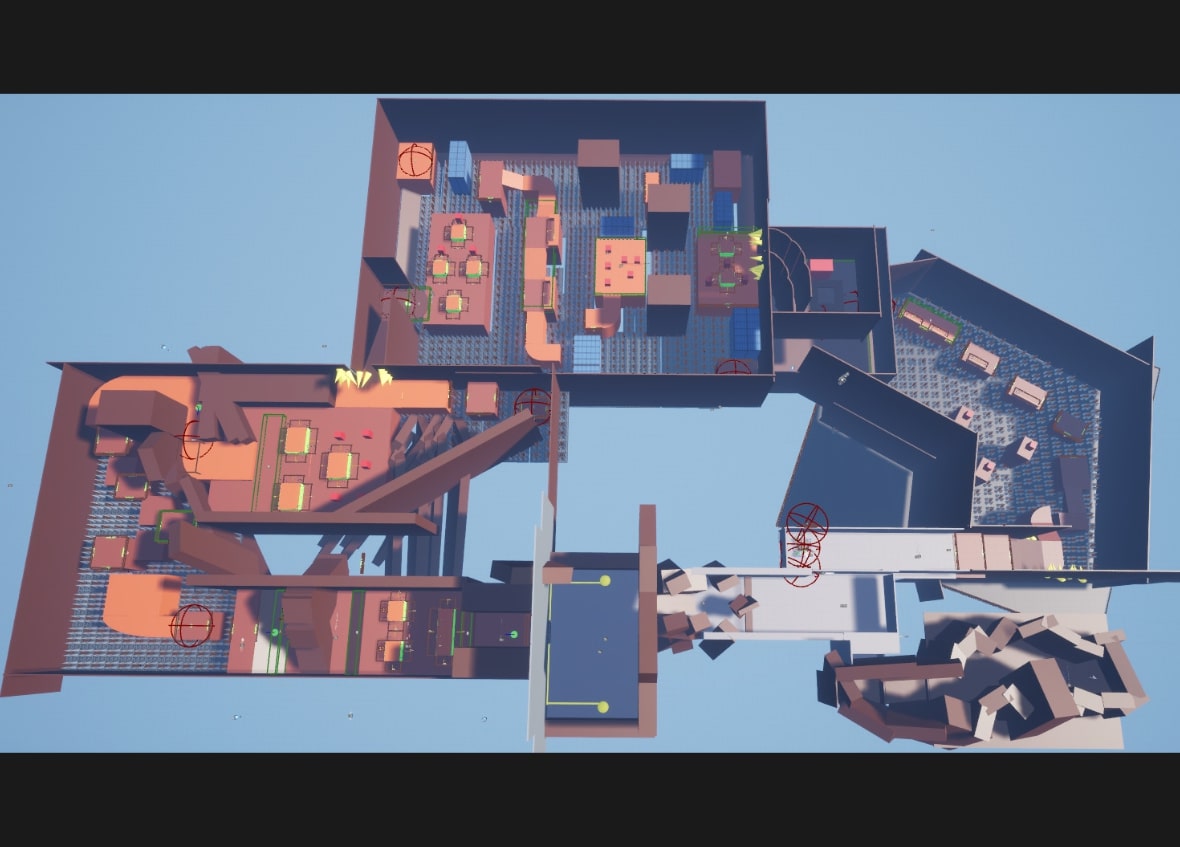
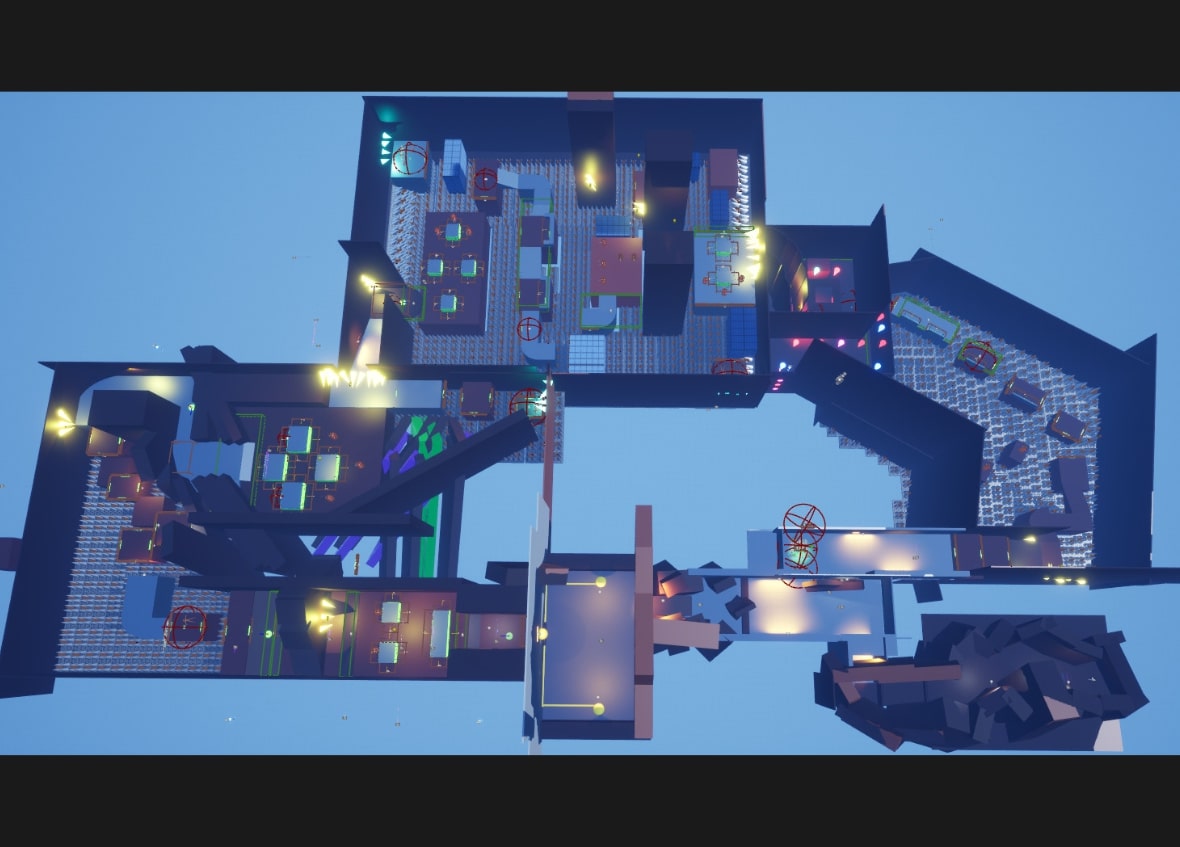
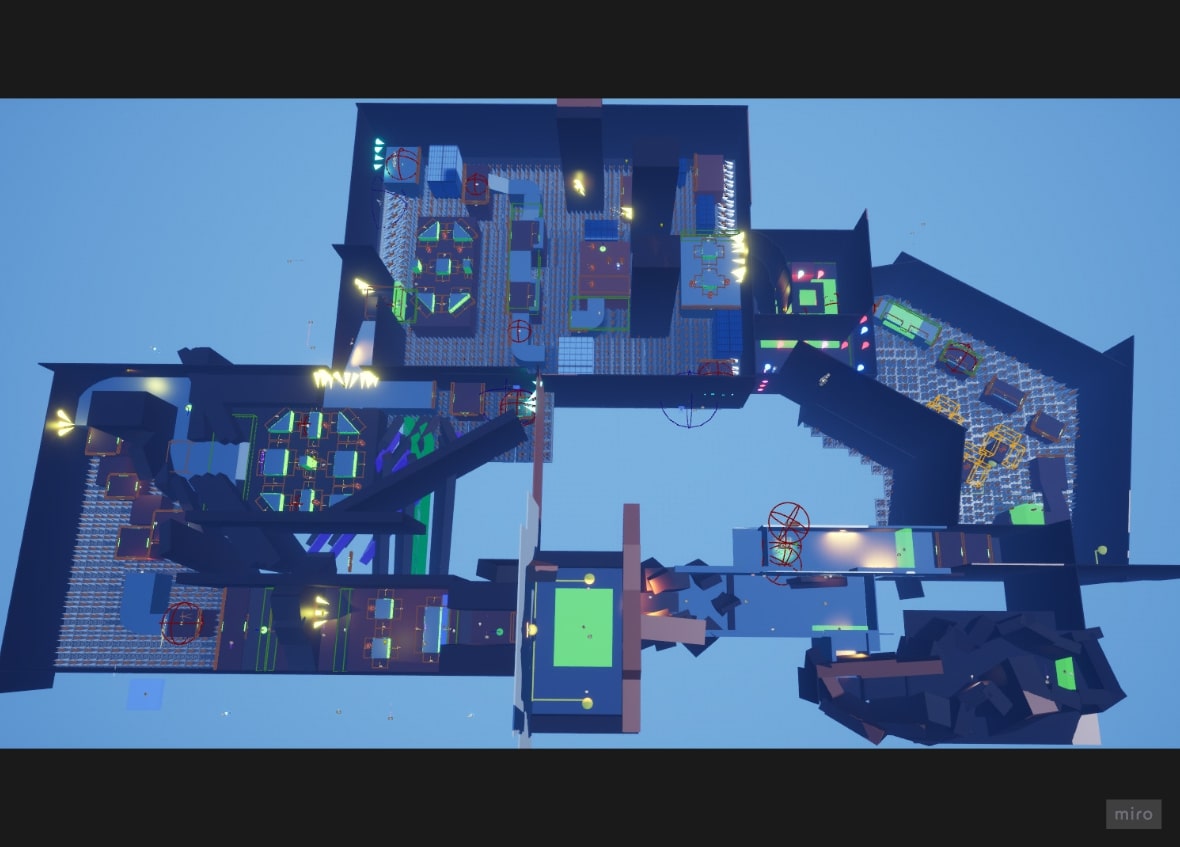
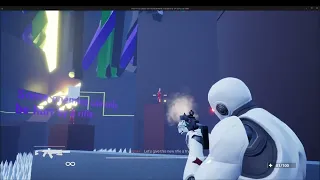
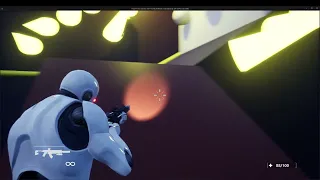
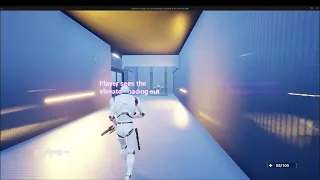
The Crystal Mines

Skip To...
    Add a header to begin generating the table of contents

    Overview

    Goal

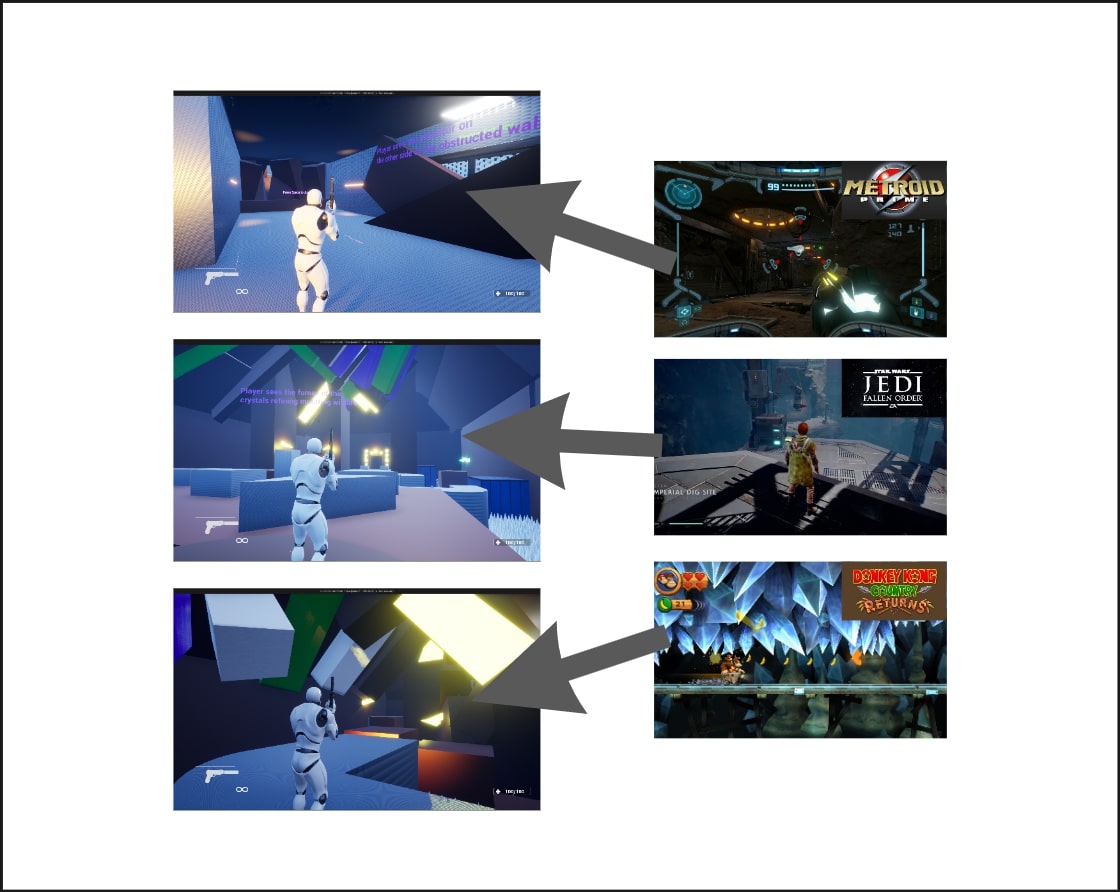
    My goal for this project was to create a level inspired from some of my favorite sci-fi action adventure games such as Star Wars Jedi: Fallen Order and Metroid Prime, while also incorporating design elements from some of my favorite platforming games like Donkey Kong Country Returns

    I used this project as an opportunity to improve my level design workflow and practice designing 3rd person shooter specific elements such as:

    • Improving my pre-production process
    • Practicing iterating my designs through feedback from playtests
    • Combat Spaces
    • Cover Layout

    Level Overview & Technique Highlights

    Setting/synopsis:

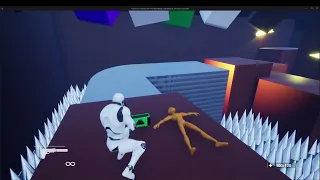
    You are the bounty hunter Y who is in search of their latest bounty on a distant planet. The level takes place in an abandoned crystal mine/cavern underground where workers once refined the crystals in the mine for use as an energy source.

    What starts as eerie and dimly lit becomes more brightly lit upon entering the further reaches of the mine that are lit up by the large glowing crystals found within.

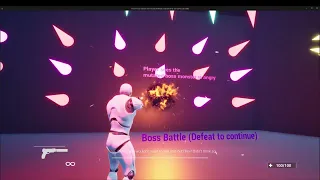
    In the level, players will have multiple combat encounters , light puzzle elements, and challenging platforming sections to overcome with a boss fight near the end that will reward the player with a new weapon after defeating them.

    There are also optional data logs off the main path that give the player more insight on what happened before they arrived

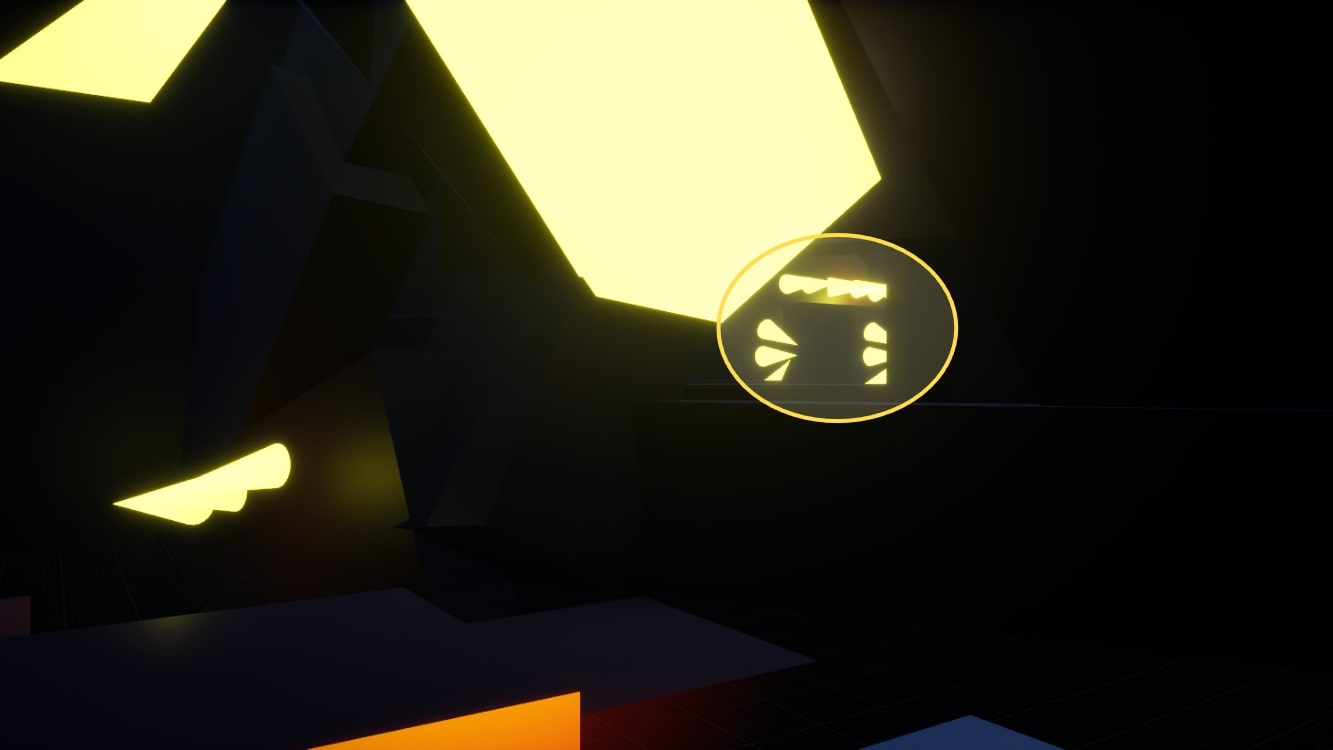
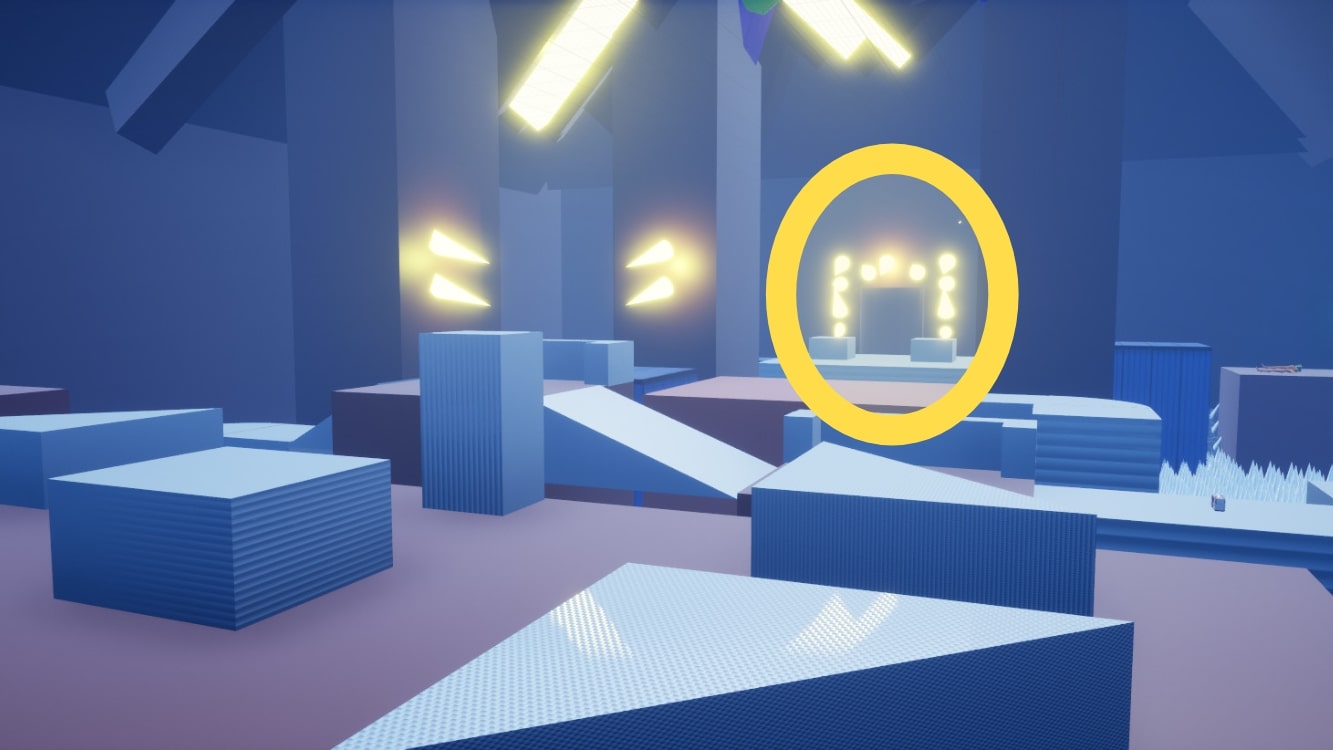
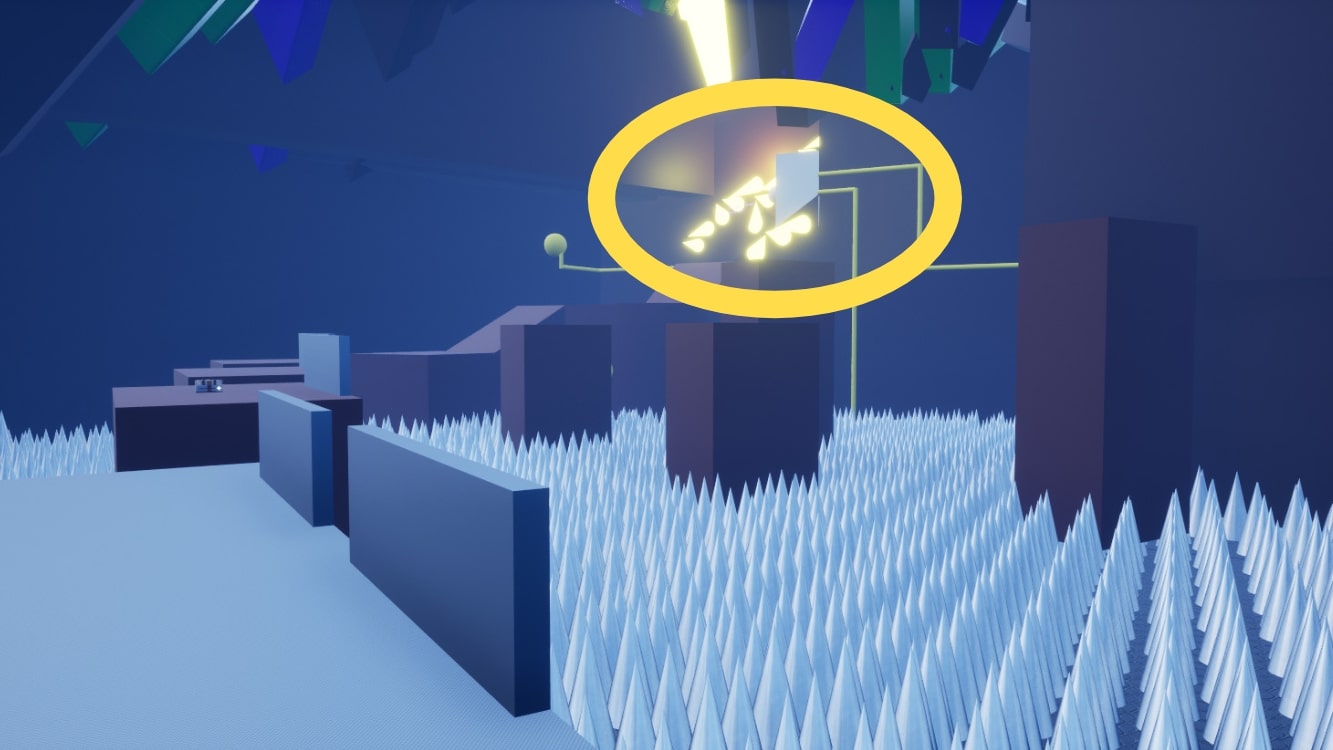
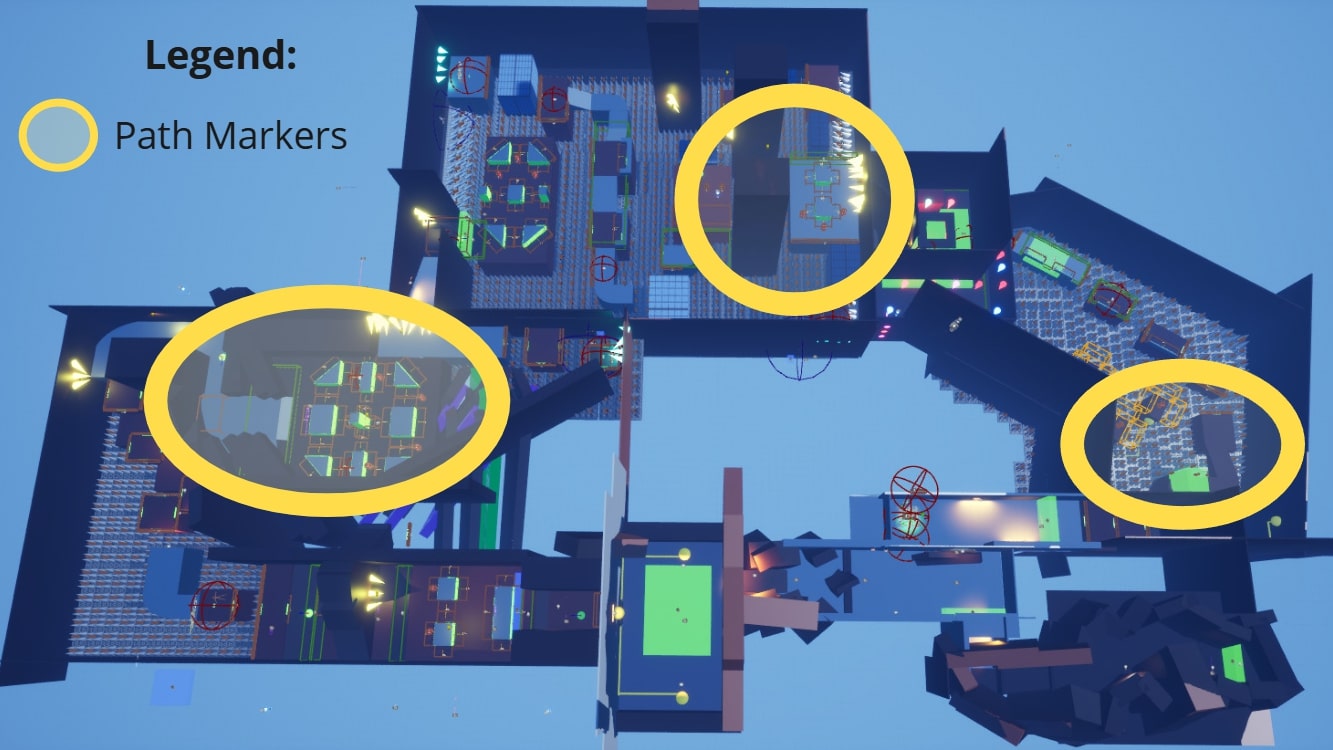
    Path Markers

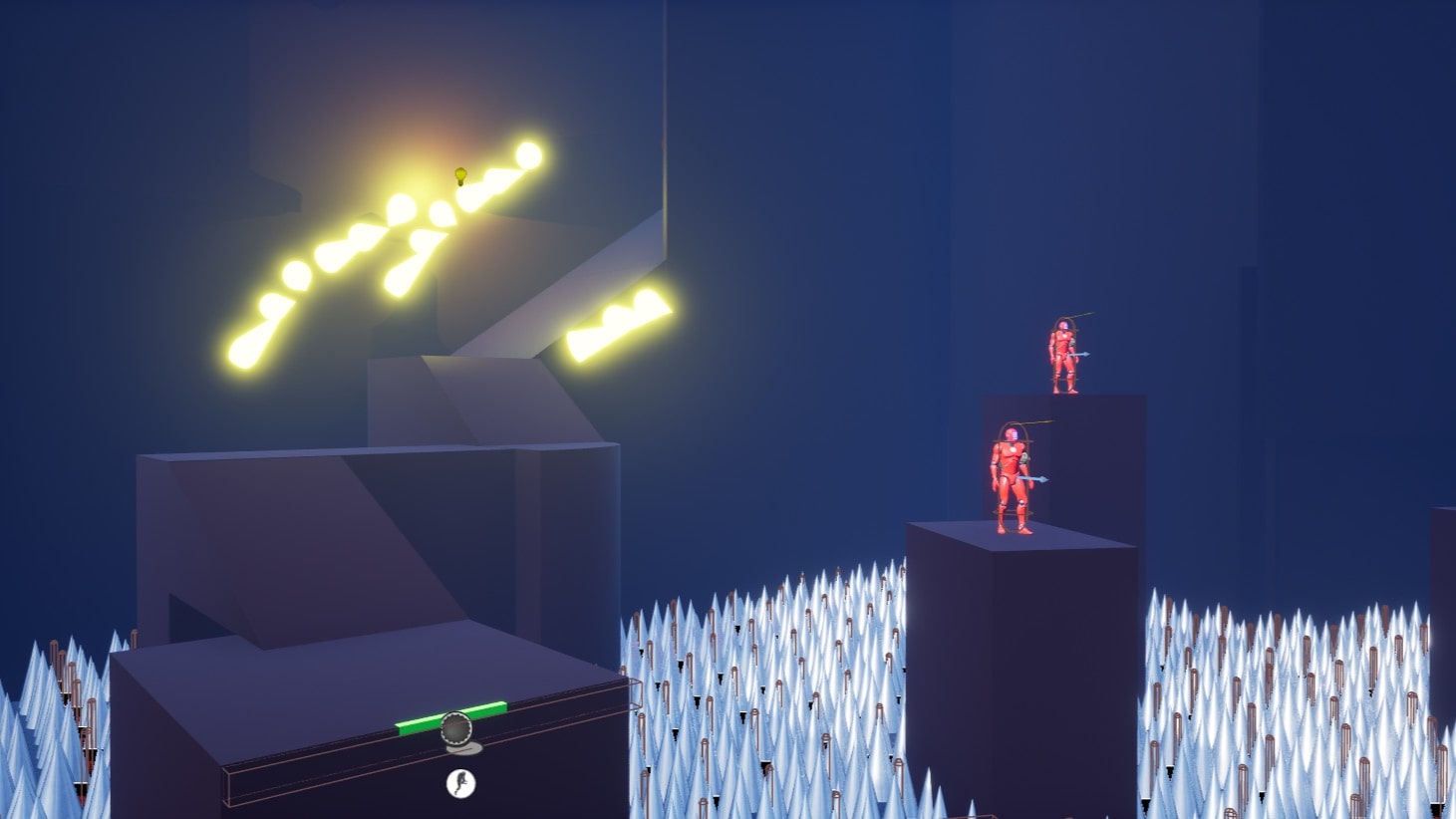
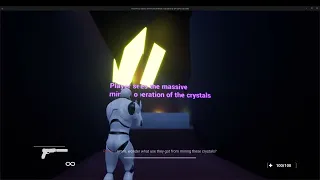
    Technique & Use-case: Used brightly colored and glowing objects to show the player on where they need to go

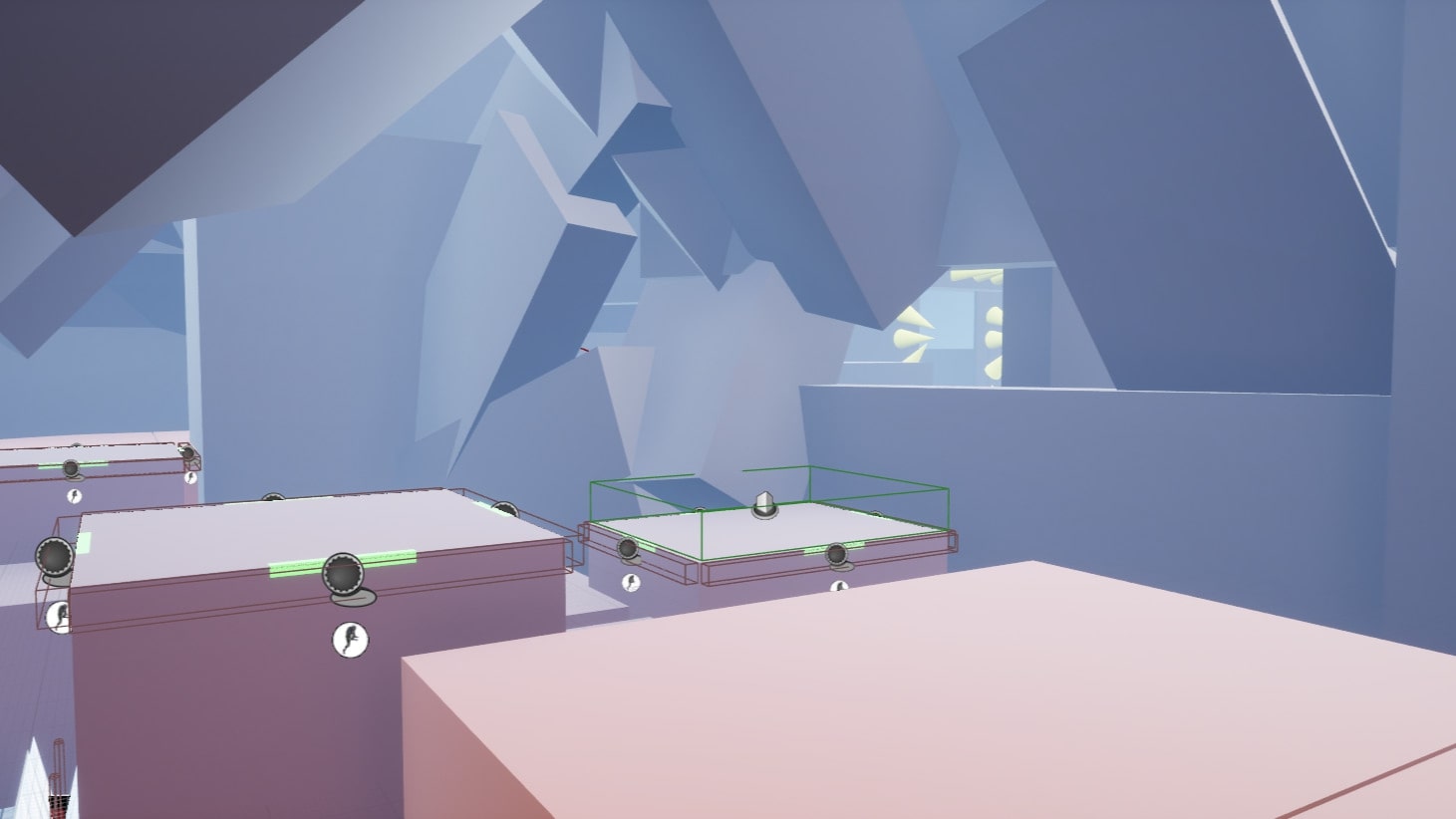
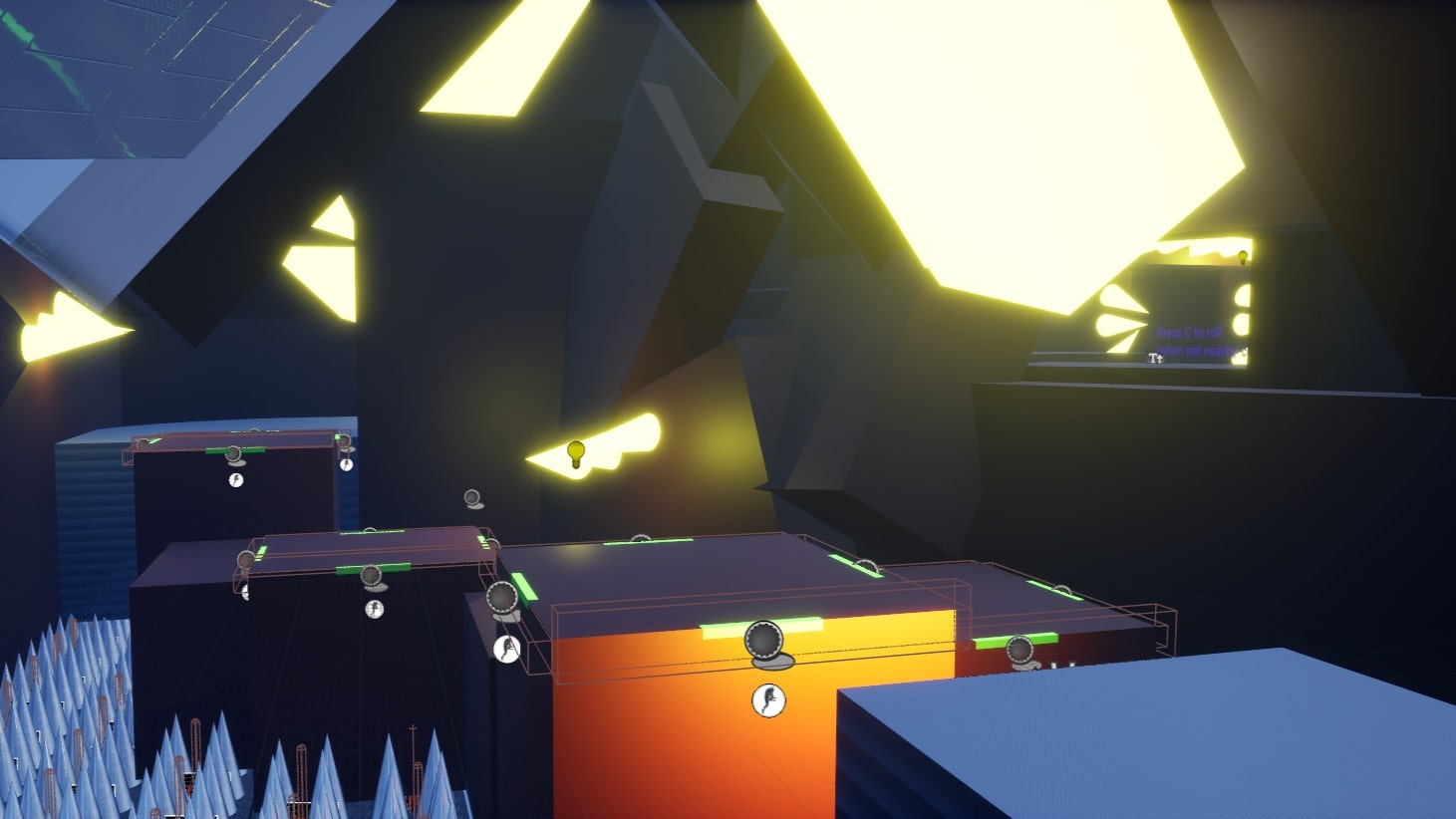
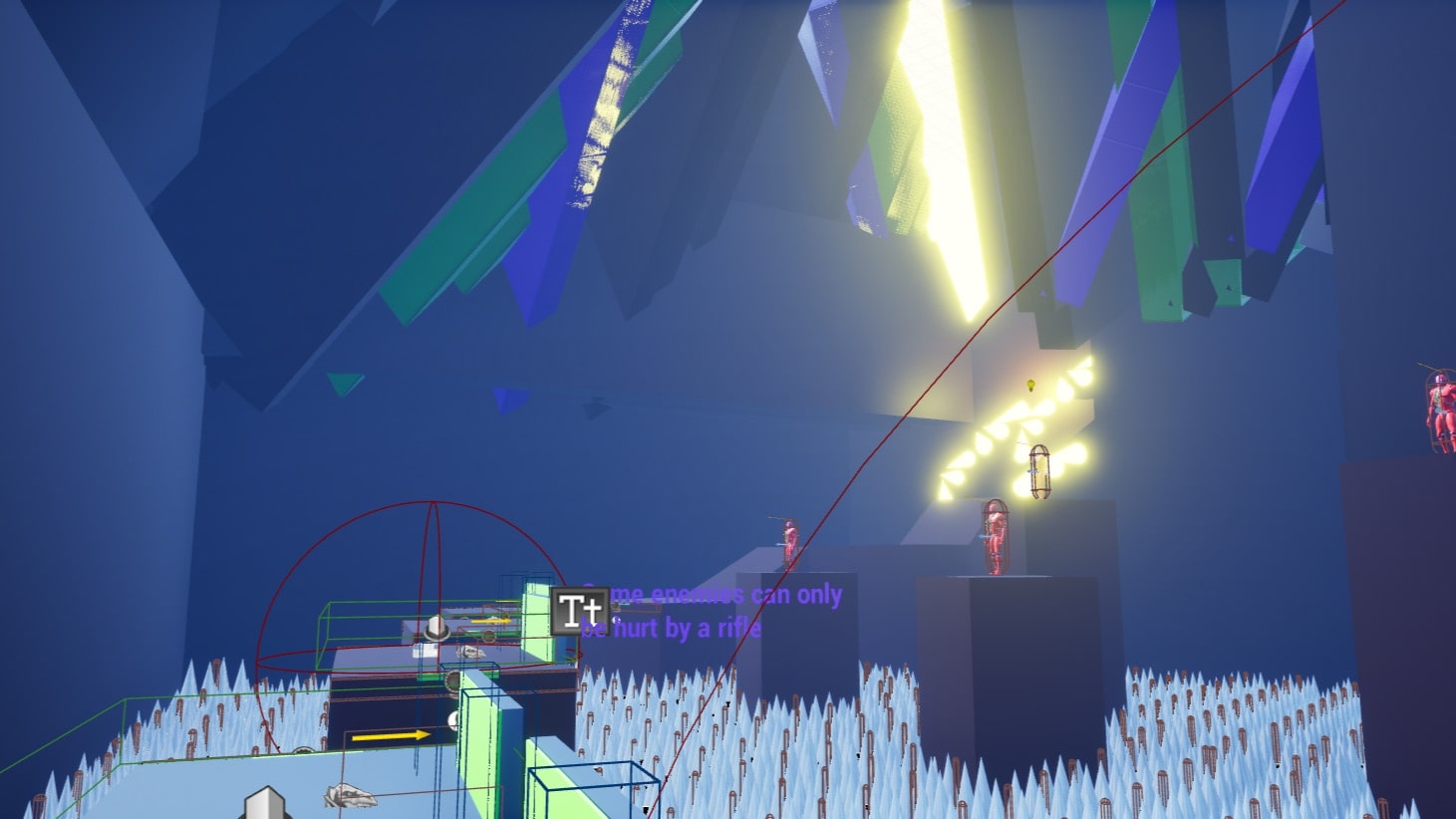
    Context of use-case: Glowing yellow crystals highlight the way to the next area of the level and where the player needs to head towards 

    Technique Detail:

    • Yellow Crystals: Highlight exactly where to head towards in order to progress

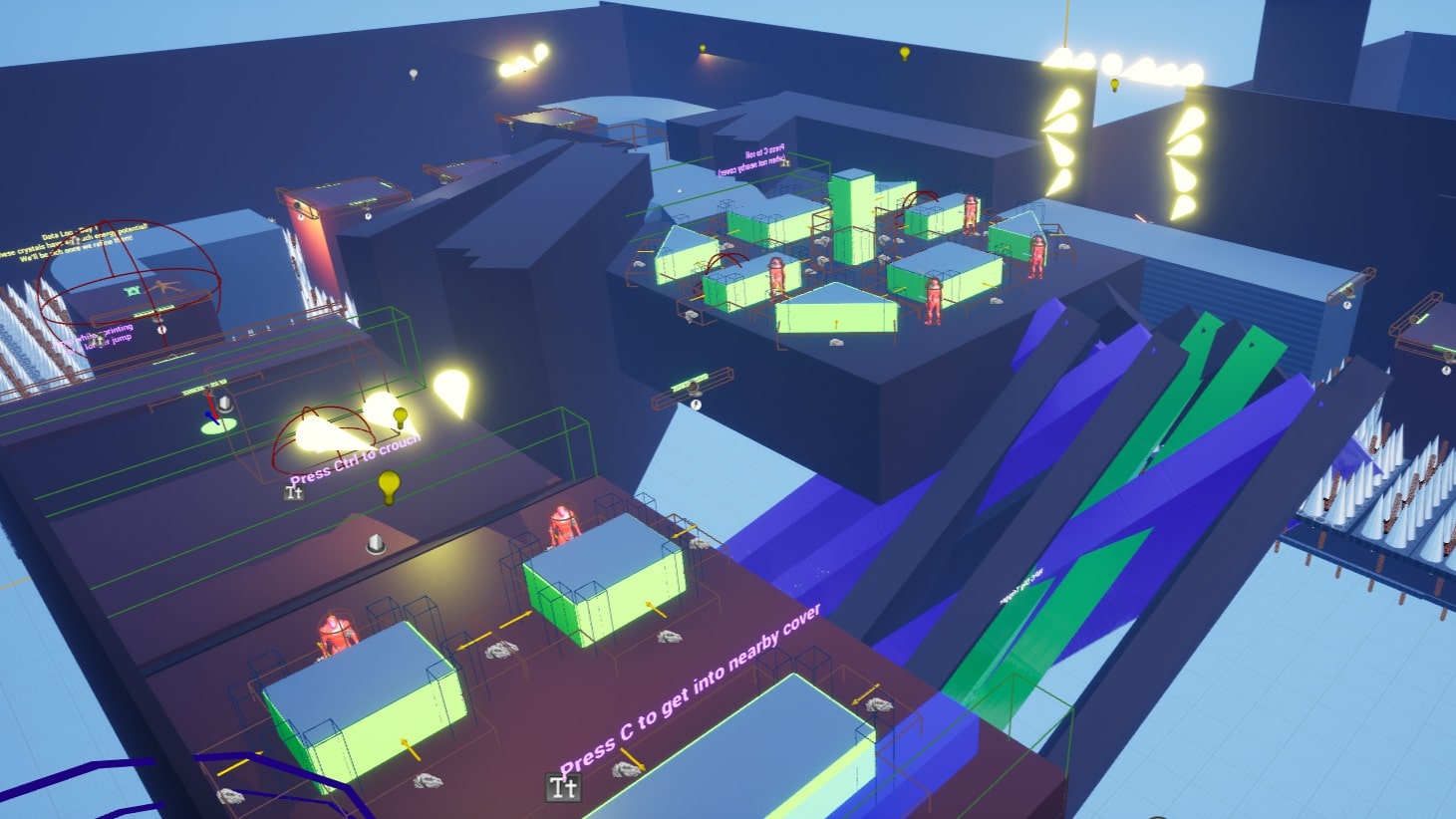
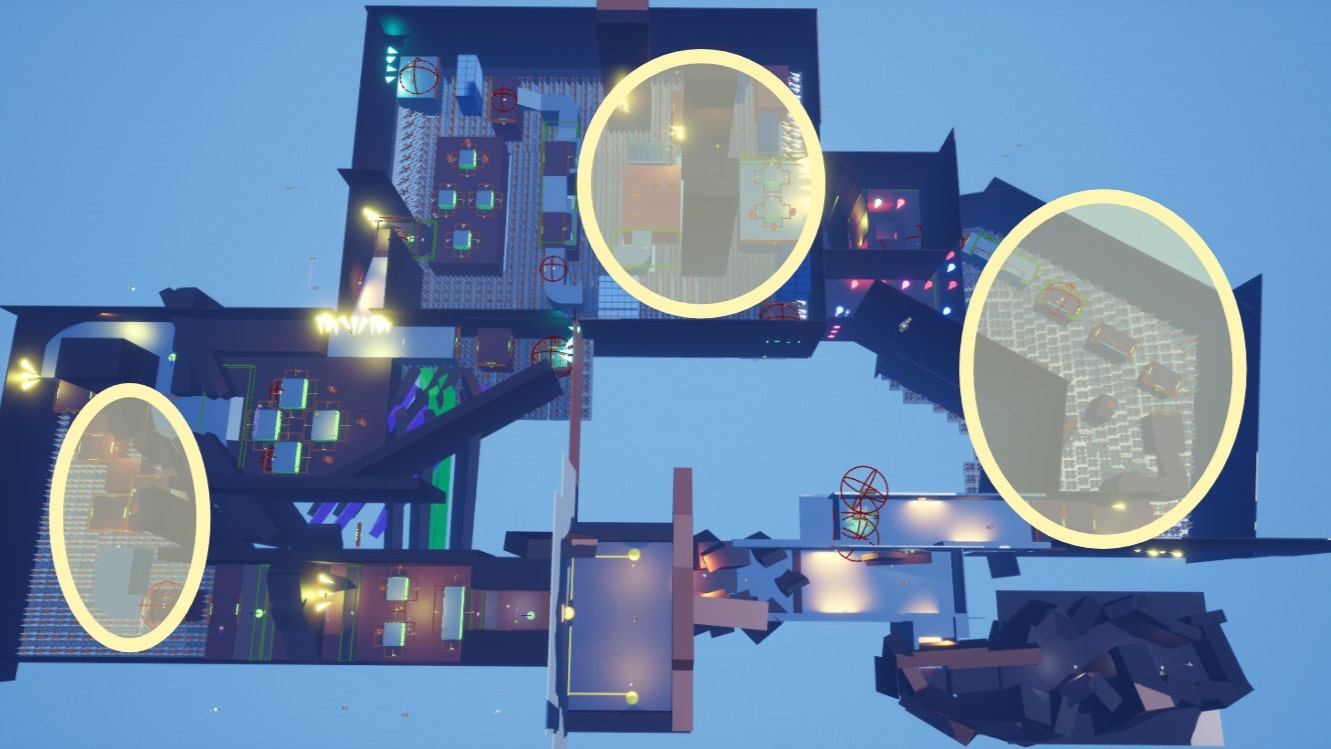
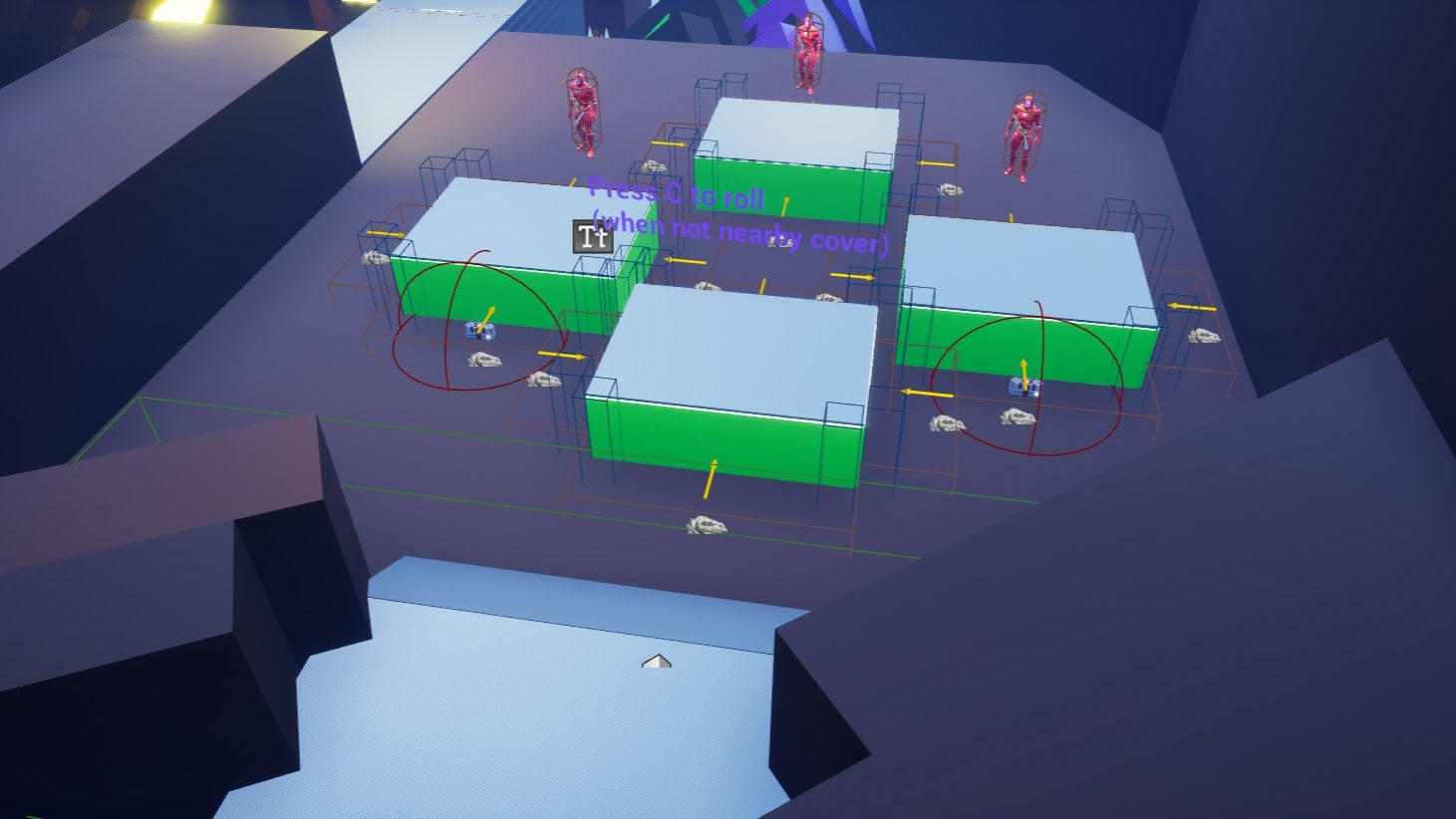
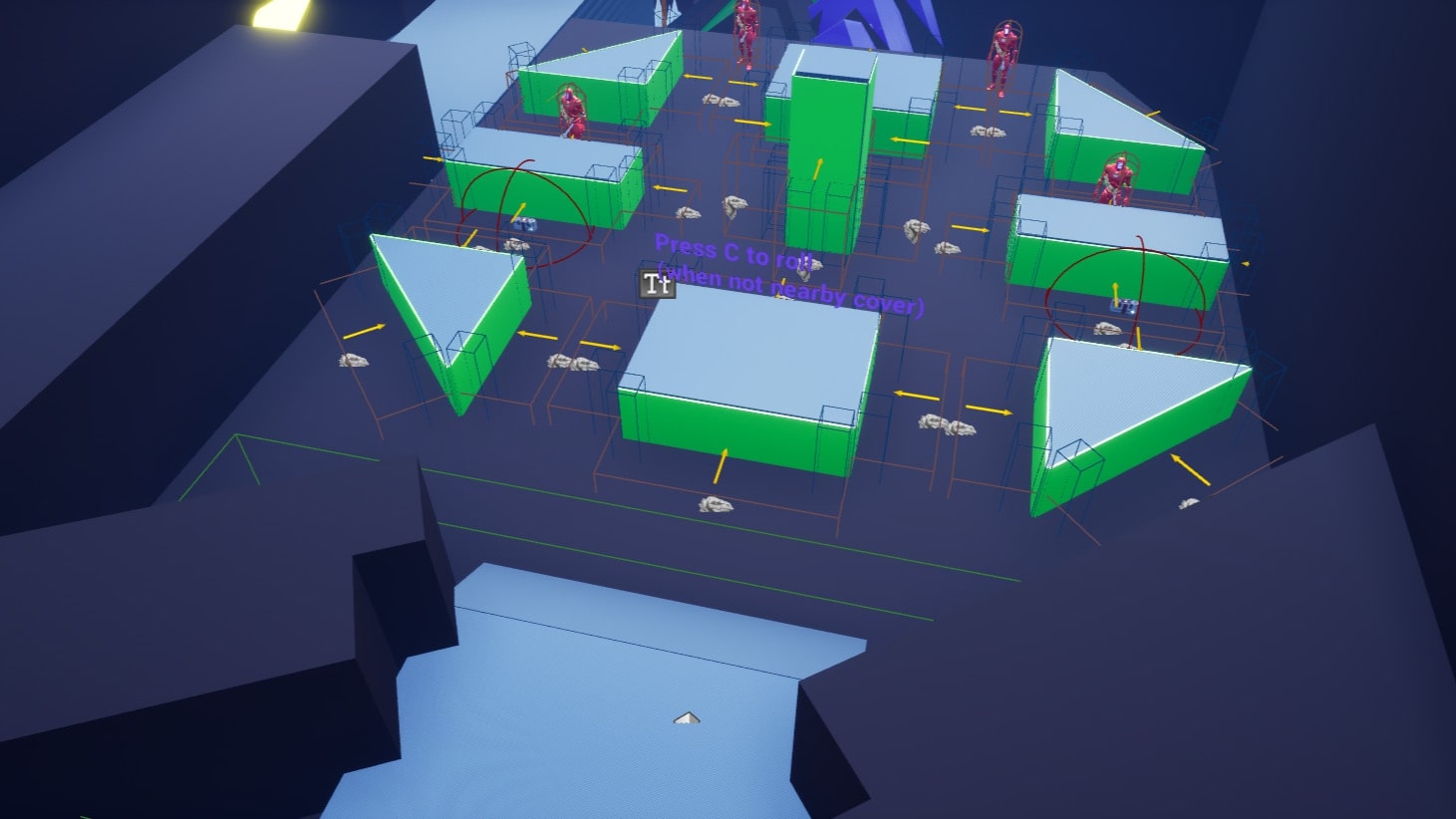
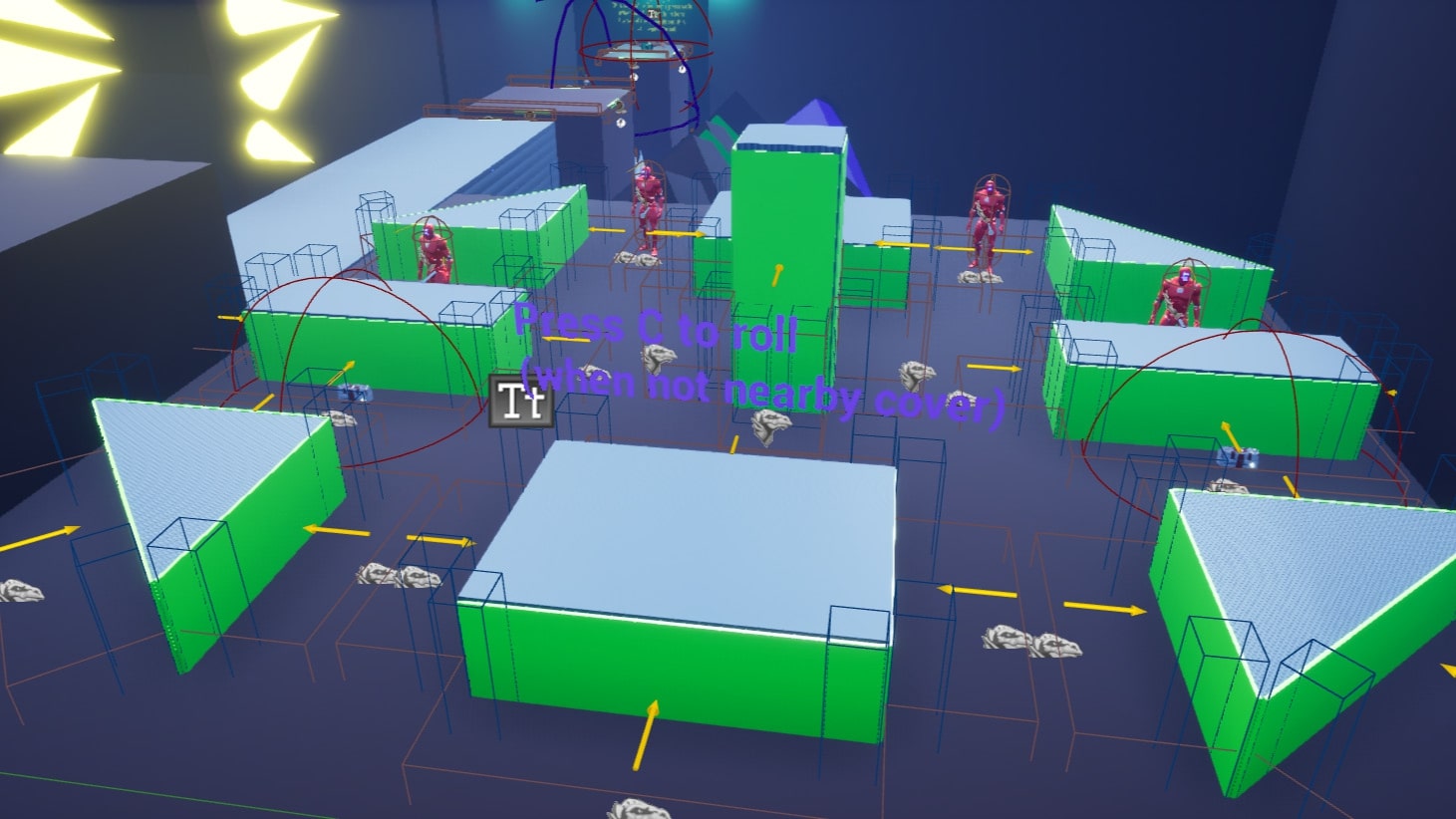
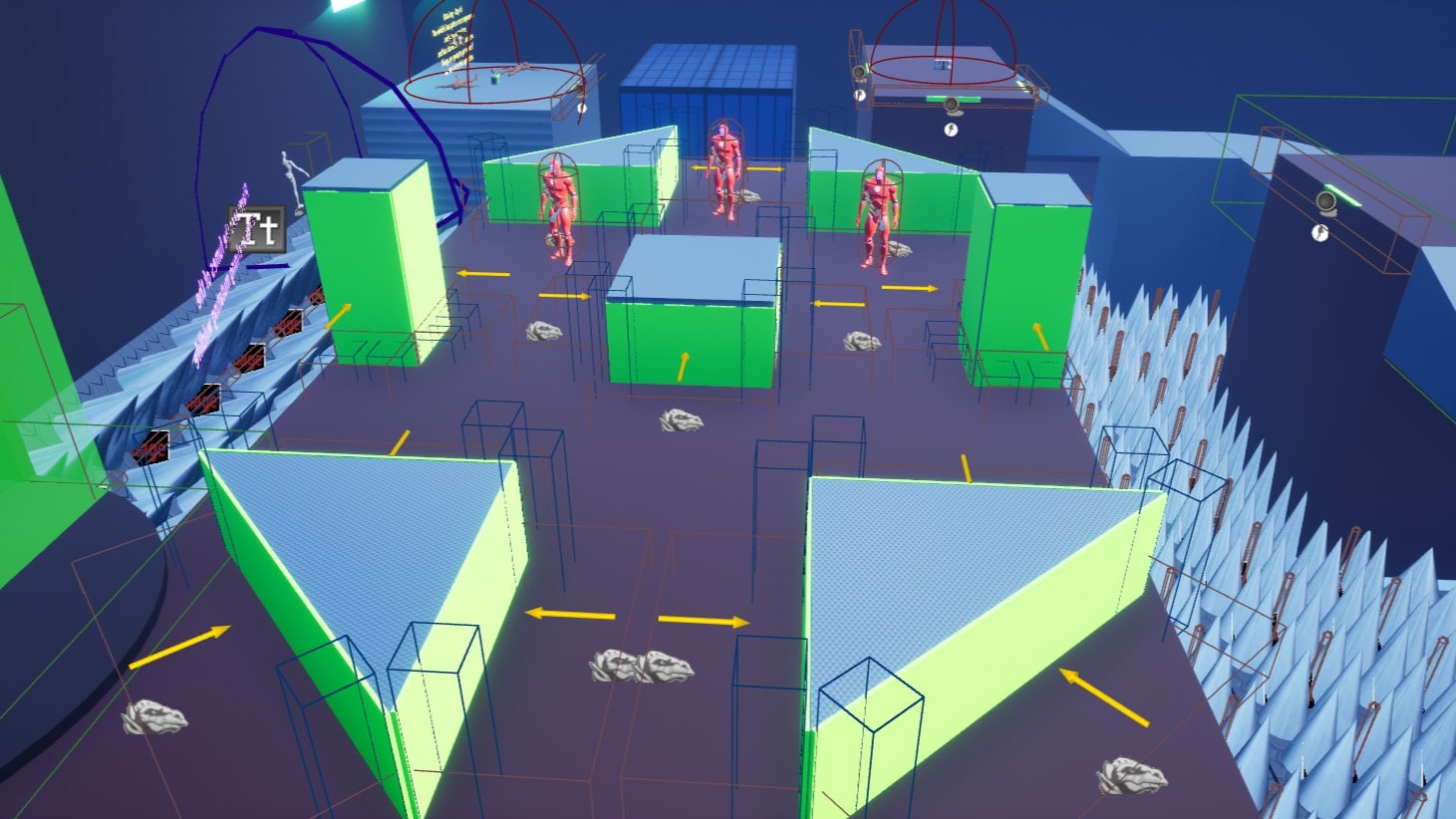
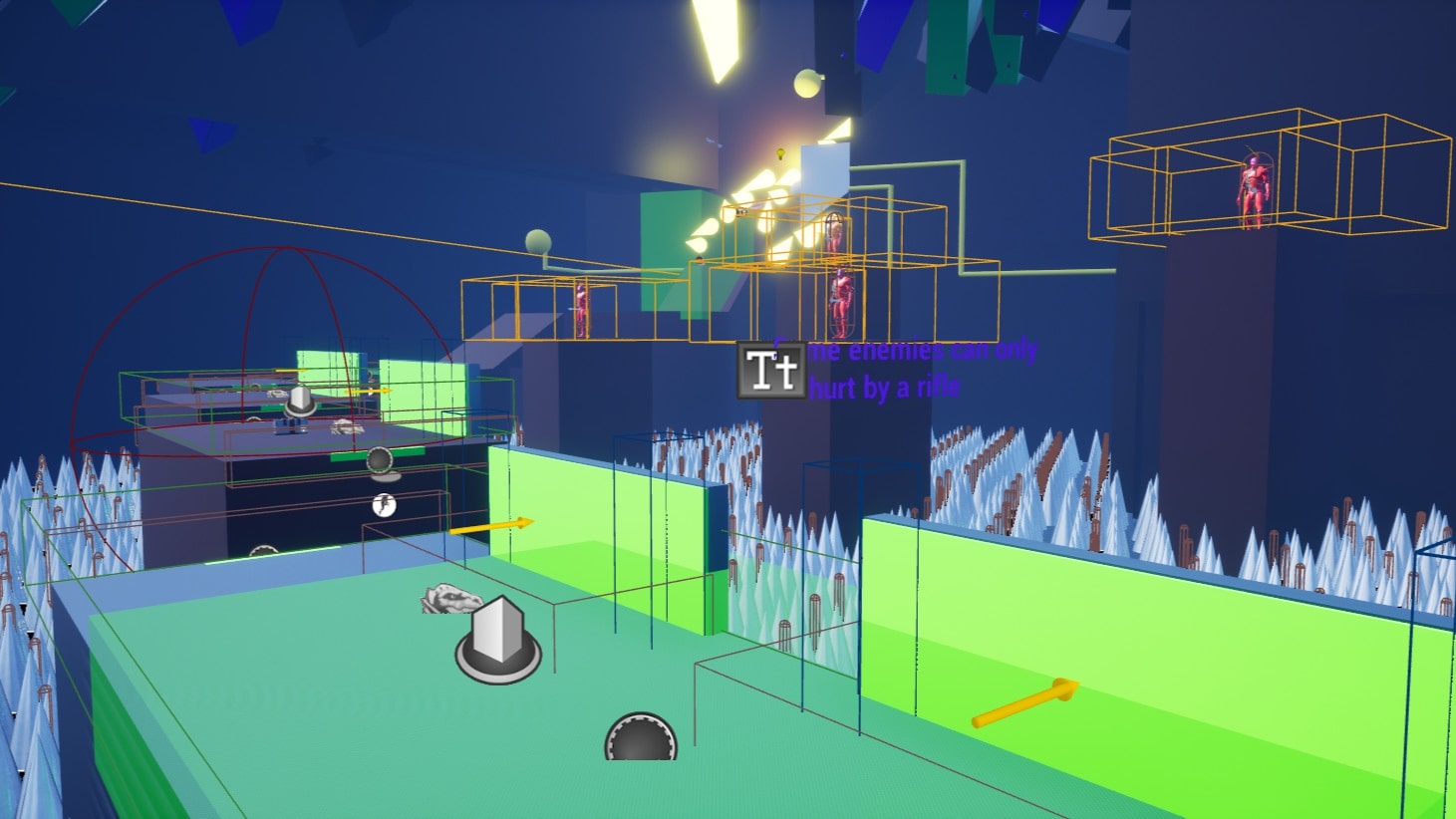
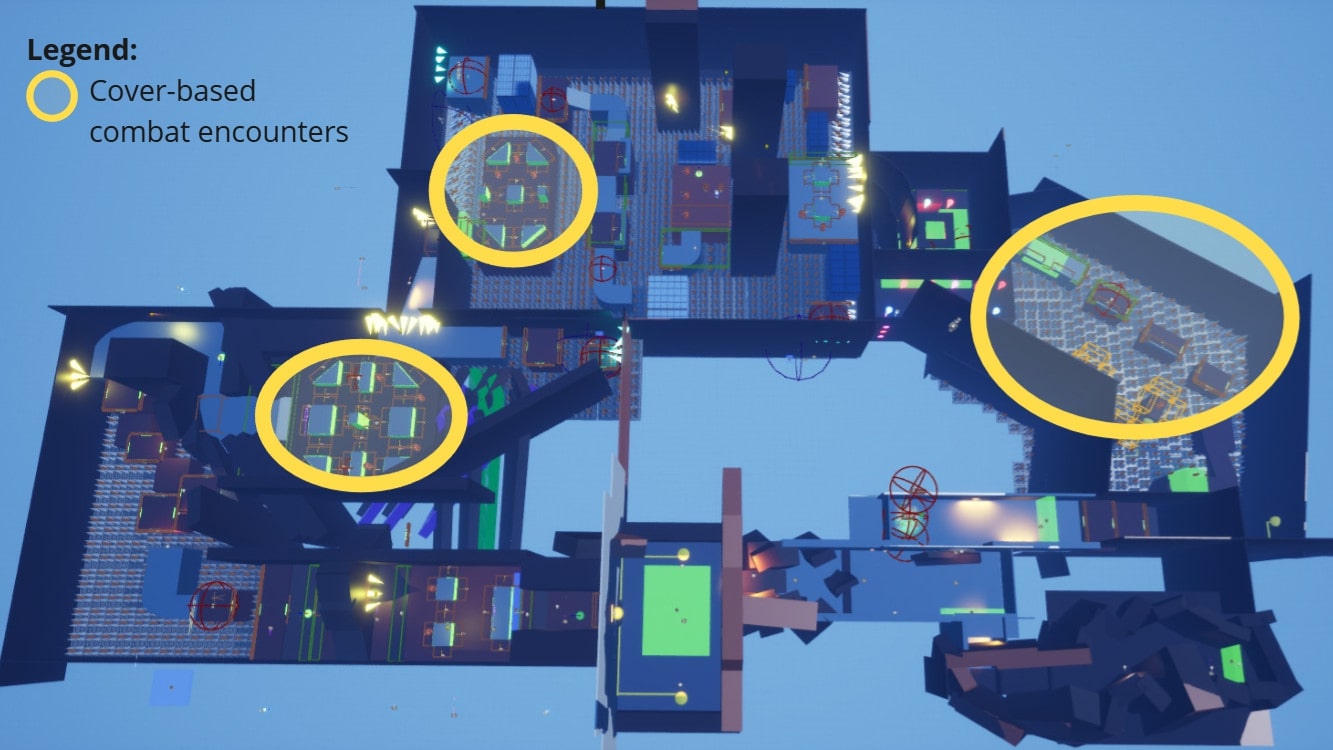
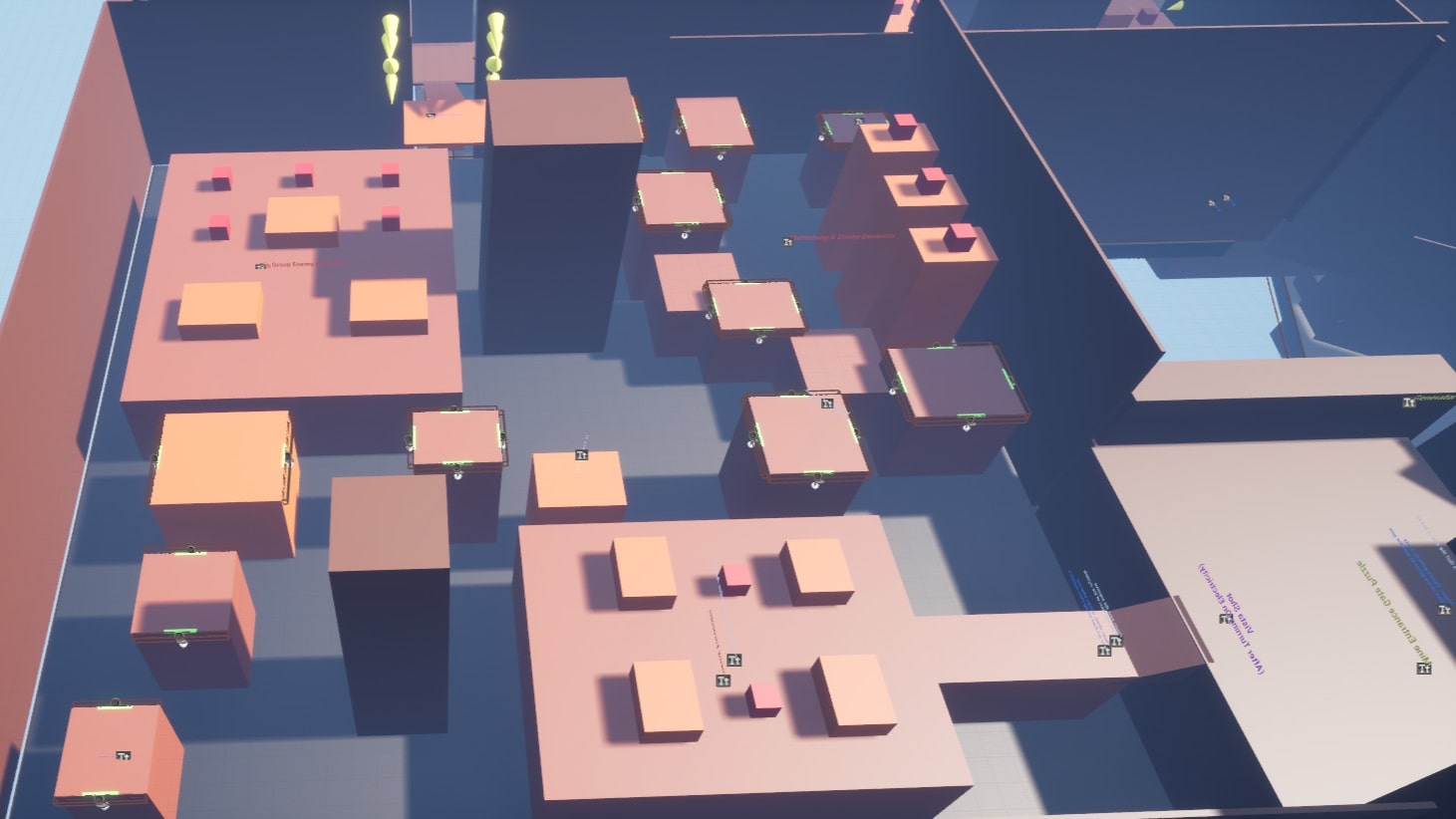
    Cover Based Combat Encounters

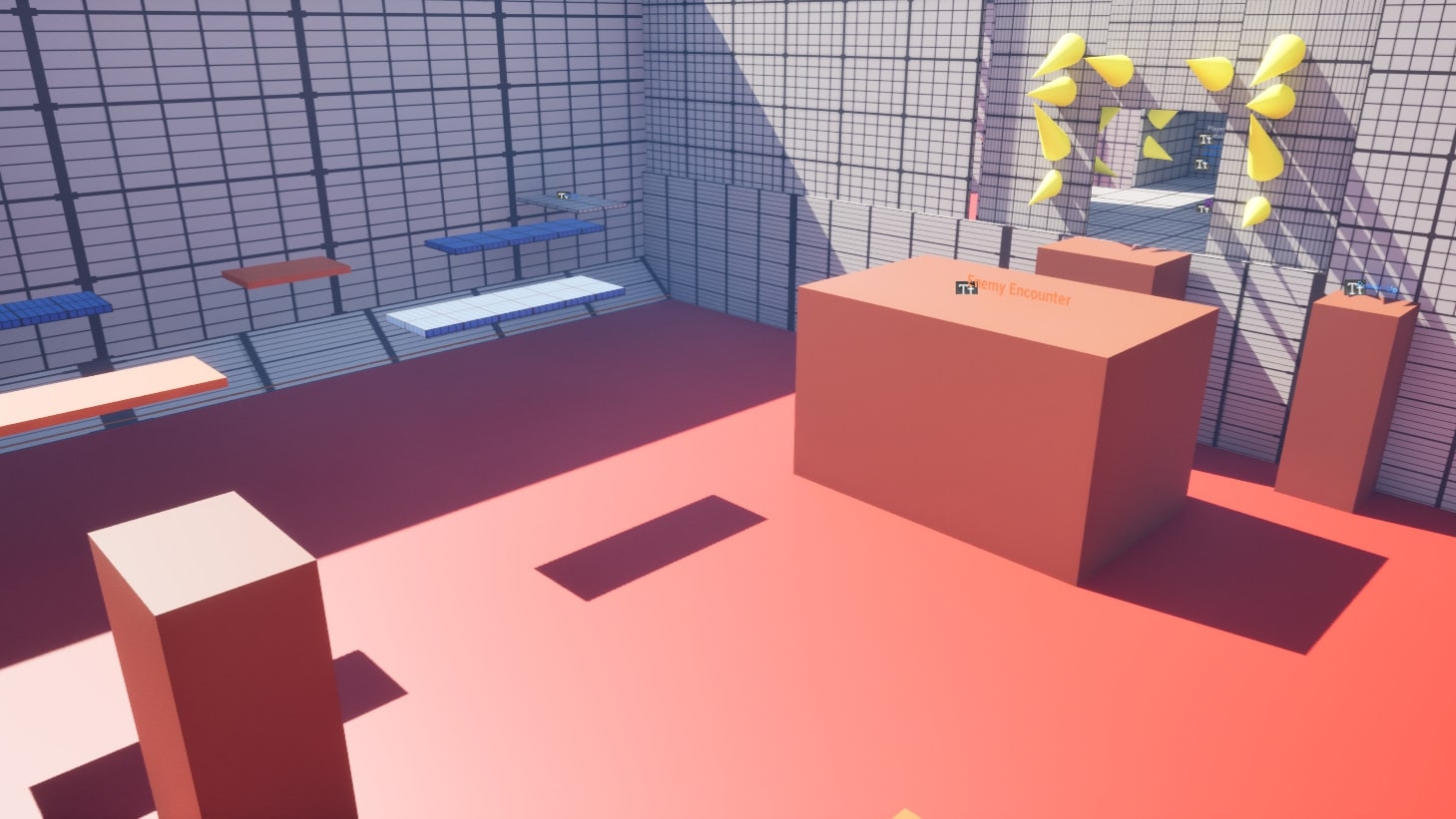
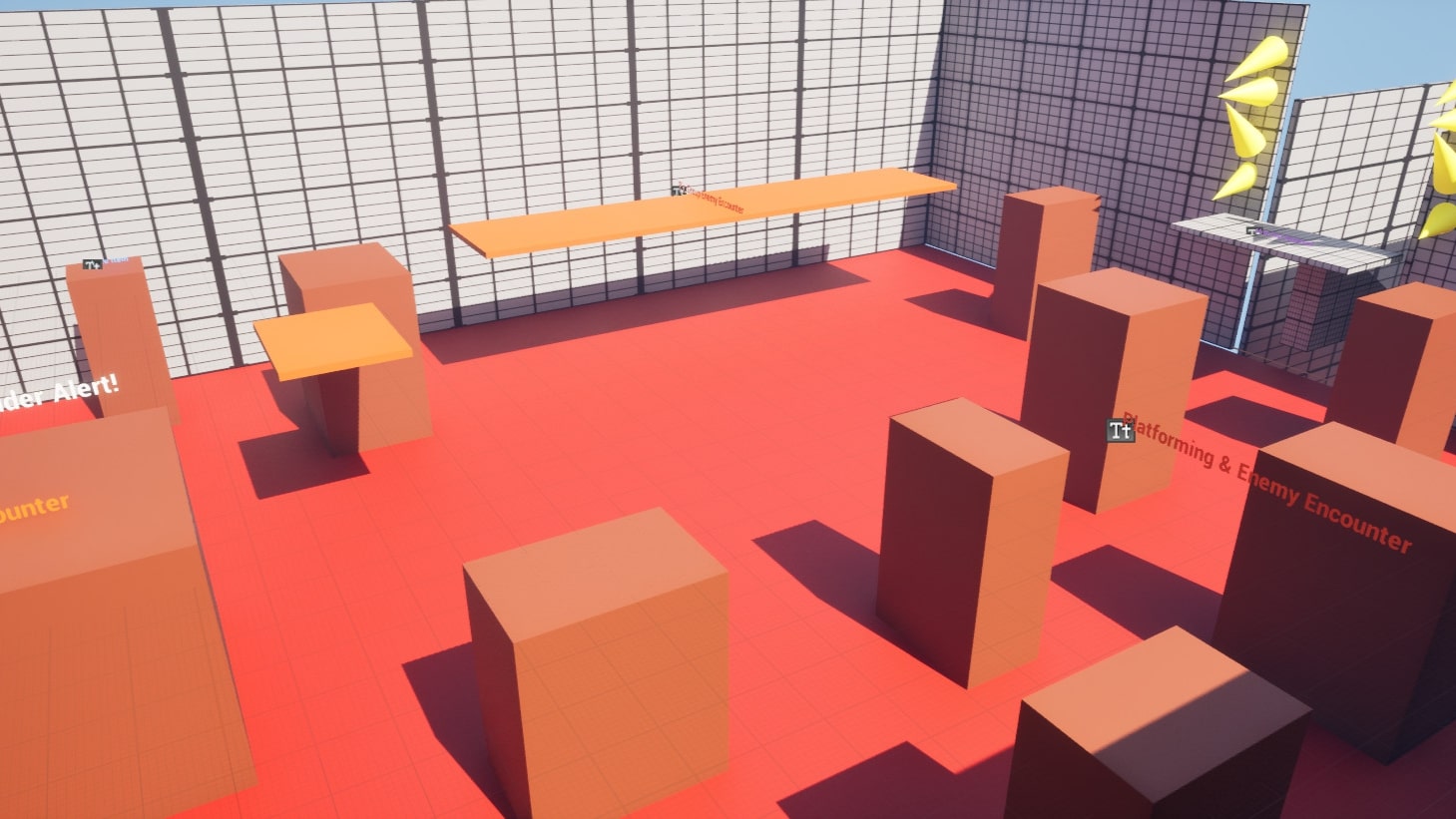
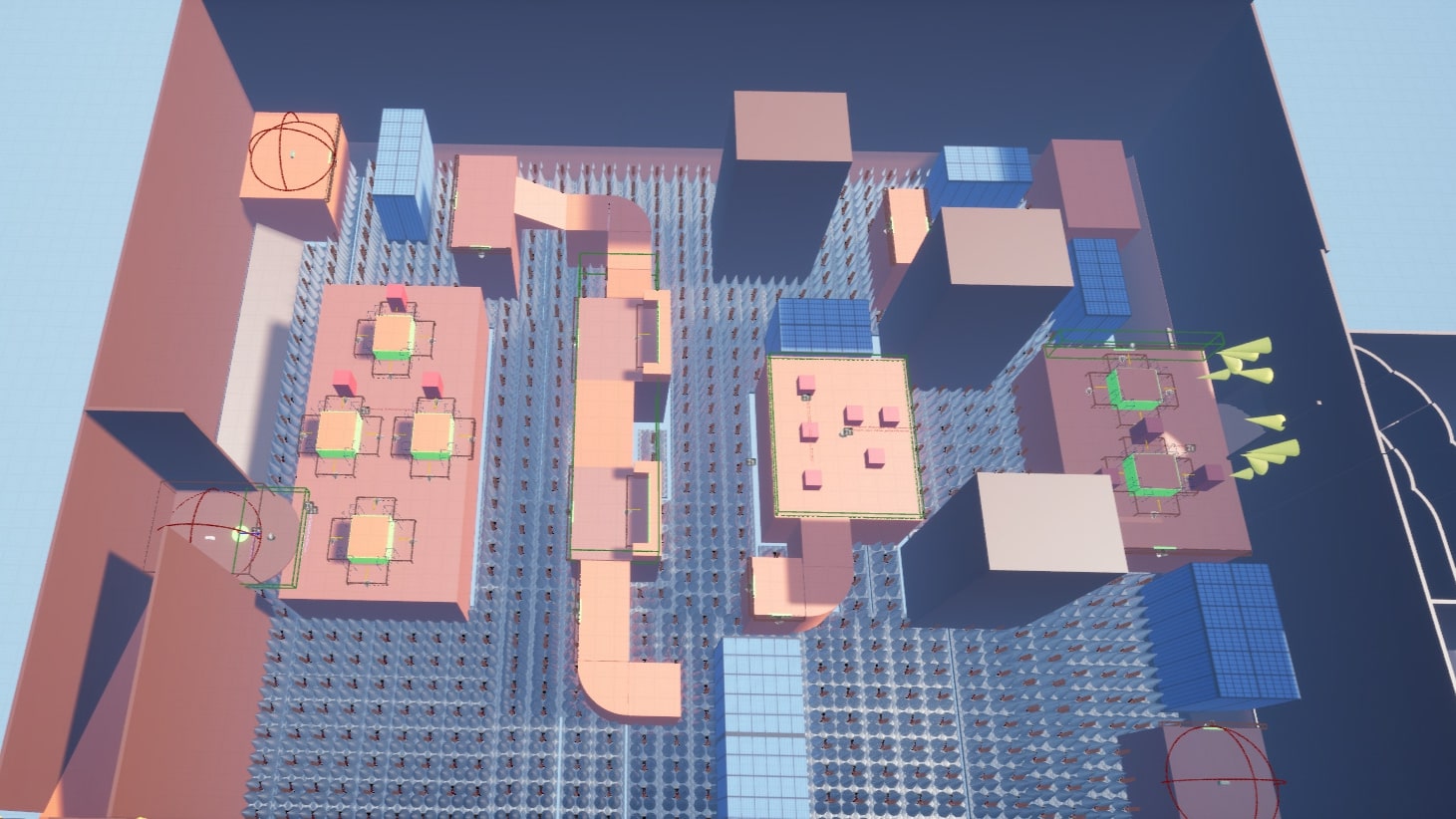
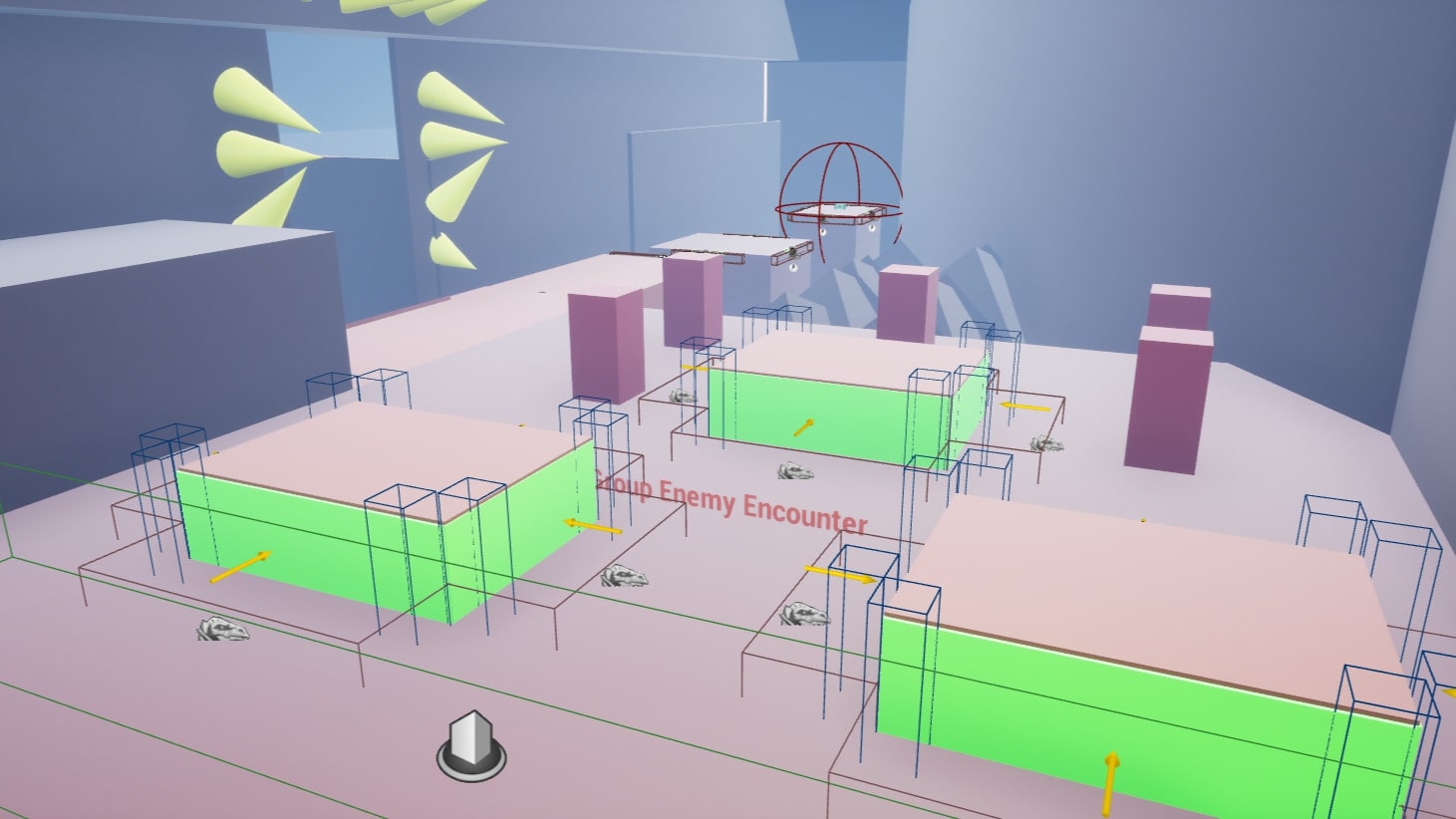
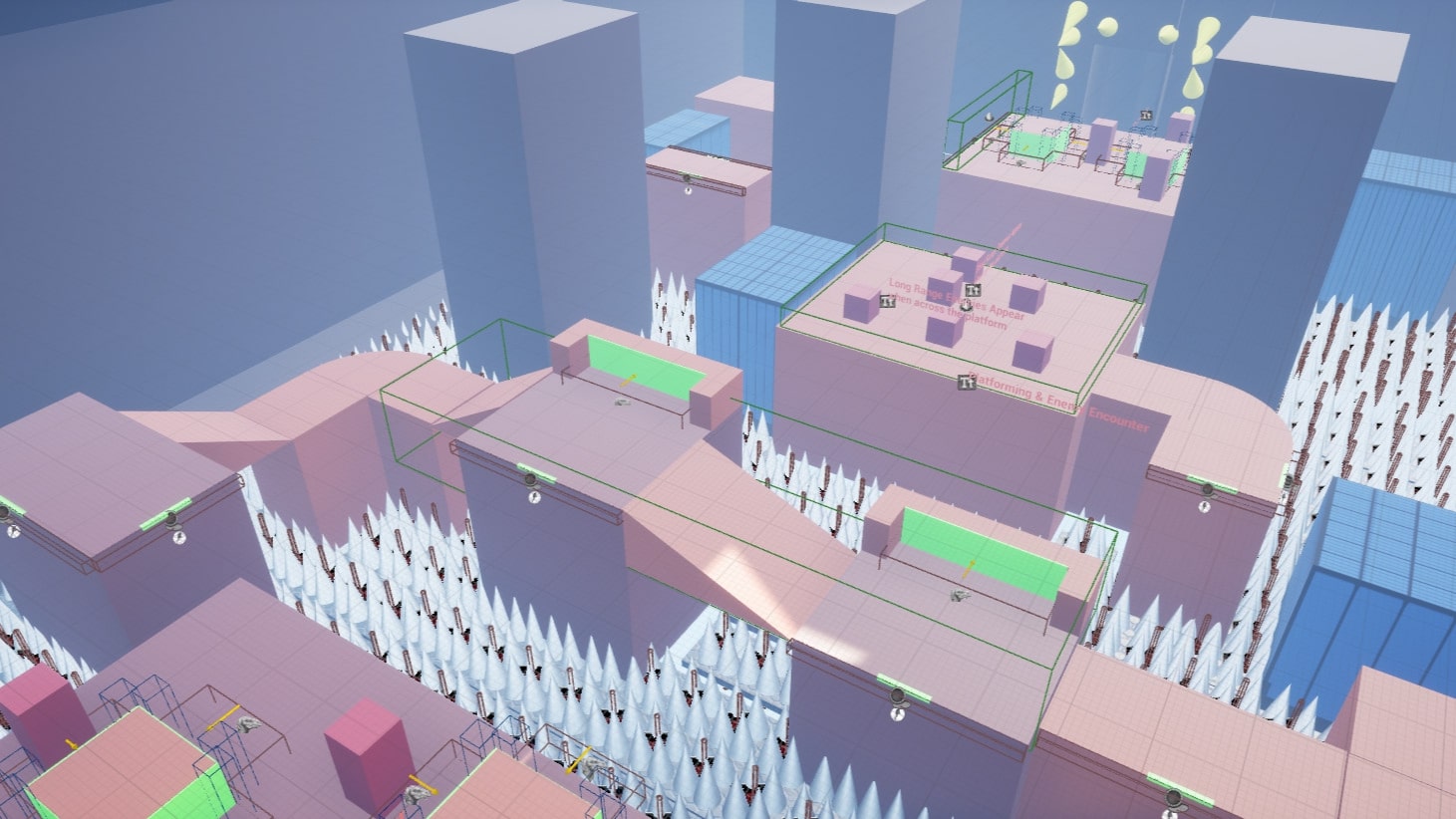
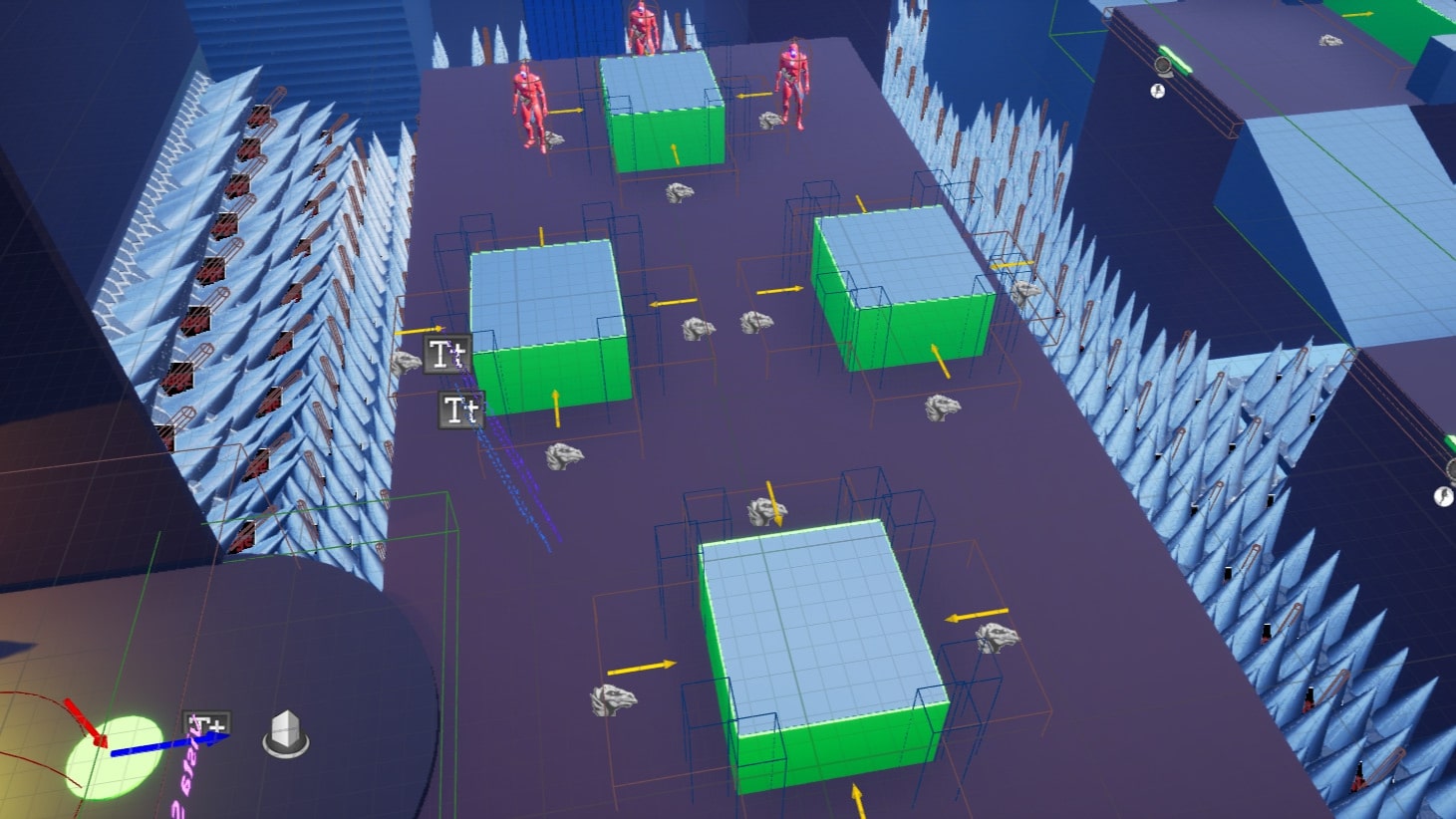
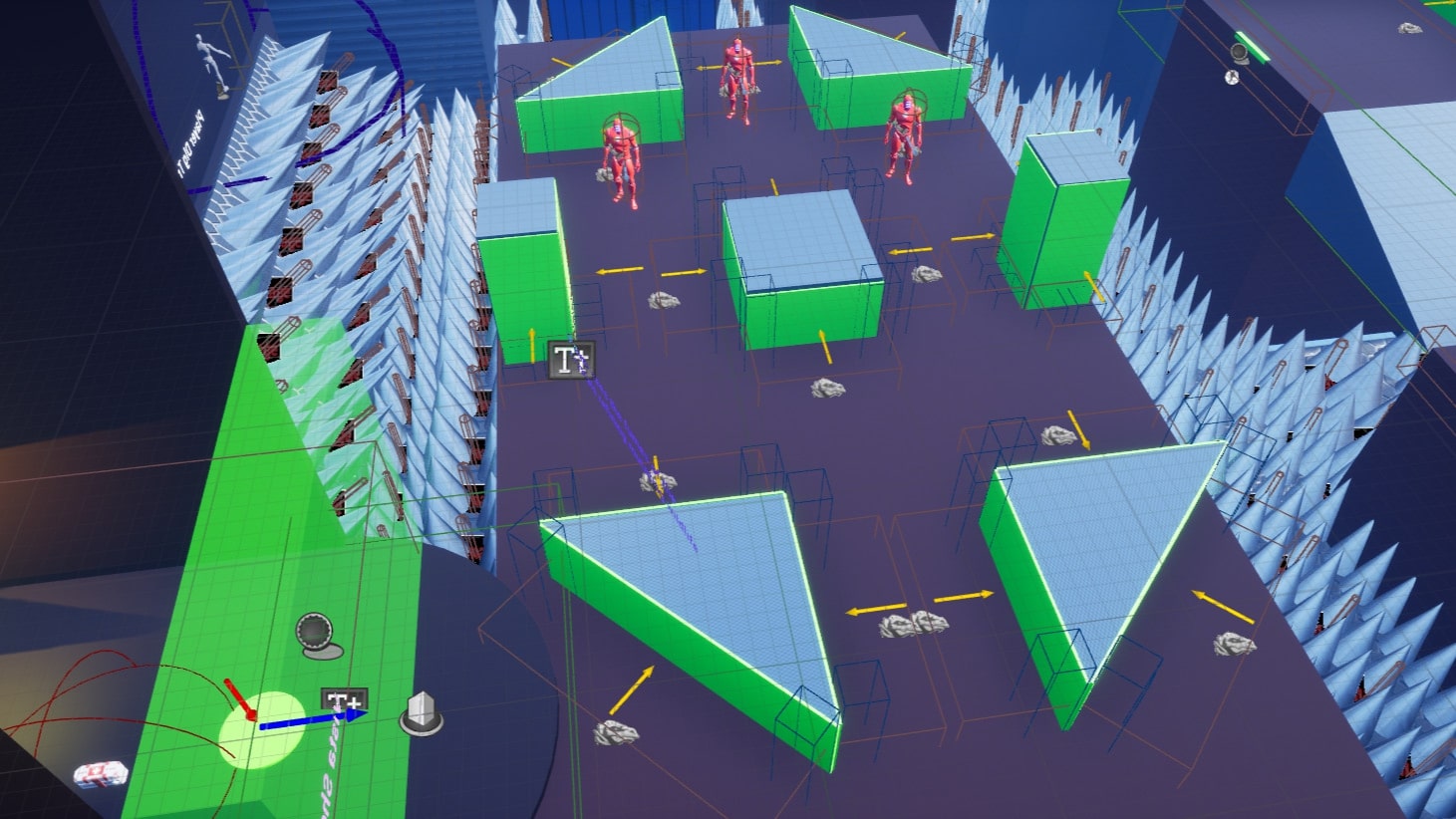
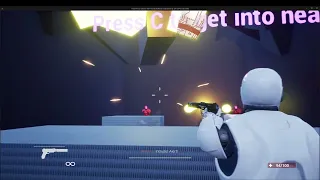
    Technique & Use-case: Designed combat areas that use cover to allow for avoiding enemy fire and to allow for multiple strategies to attack

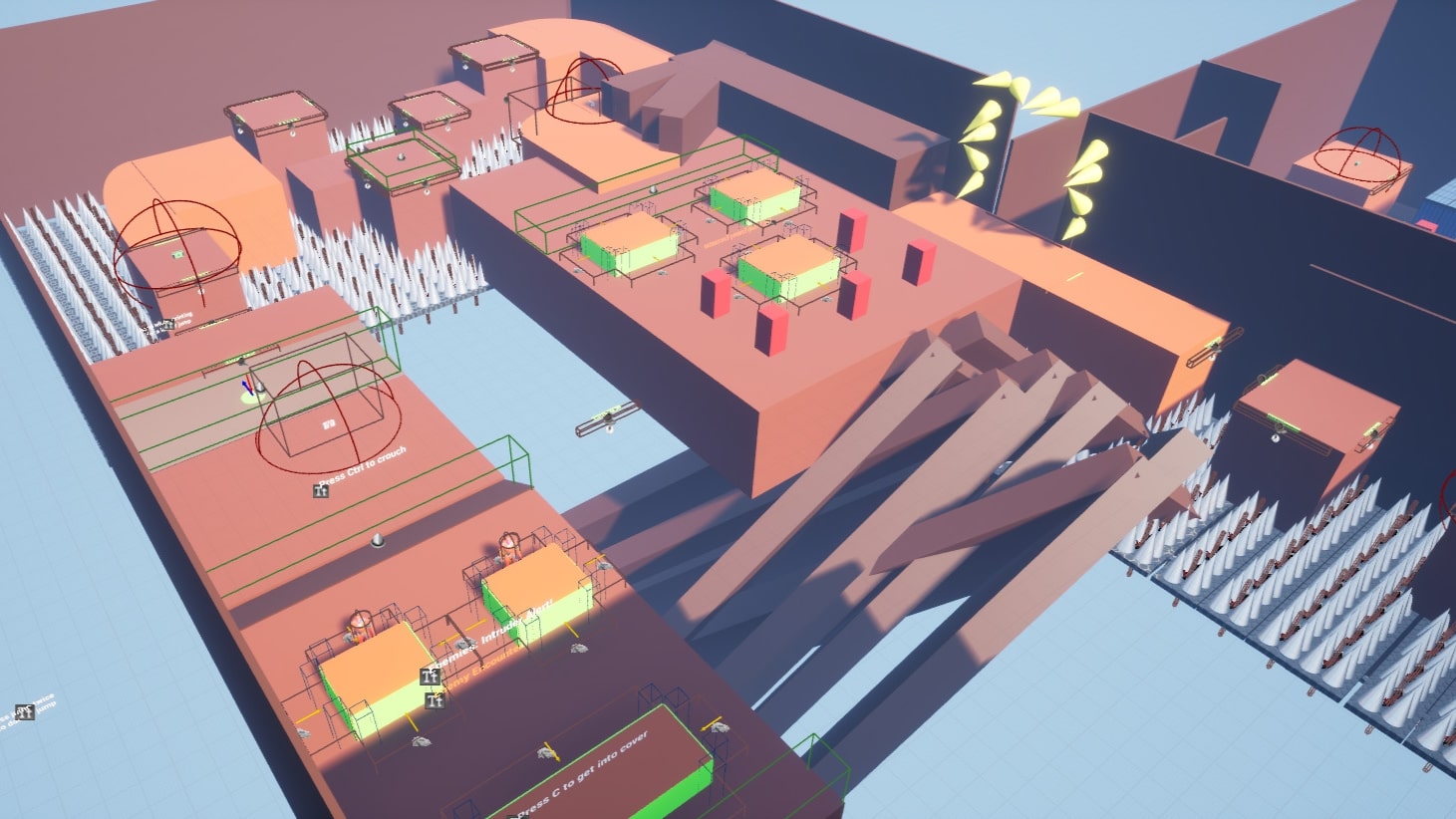
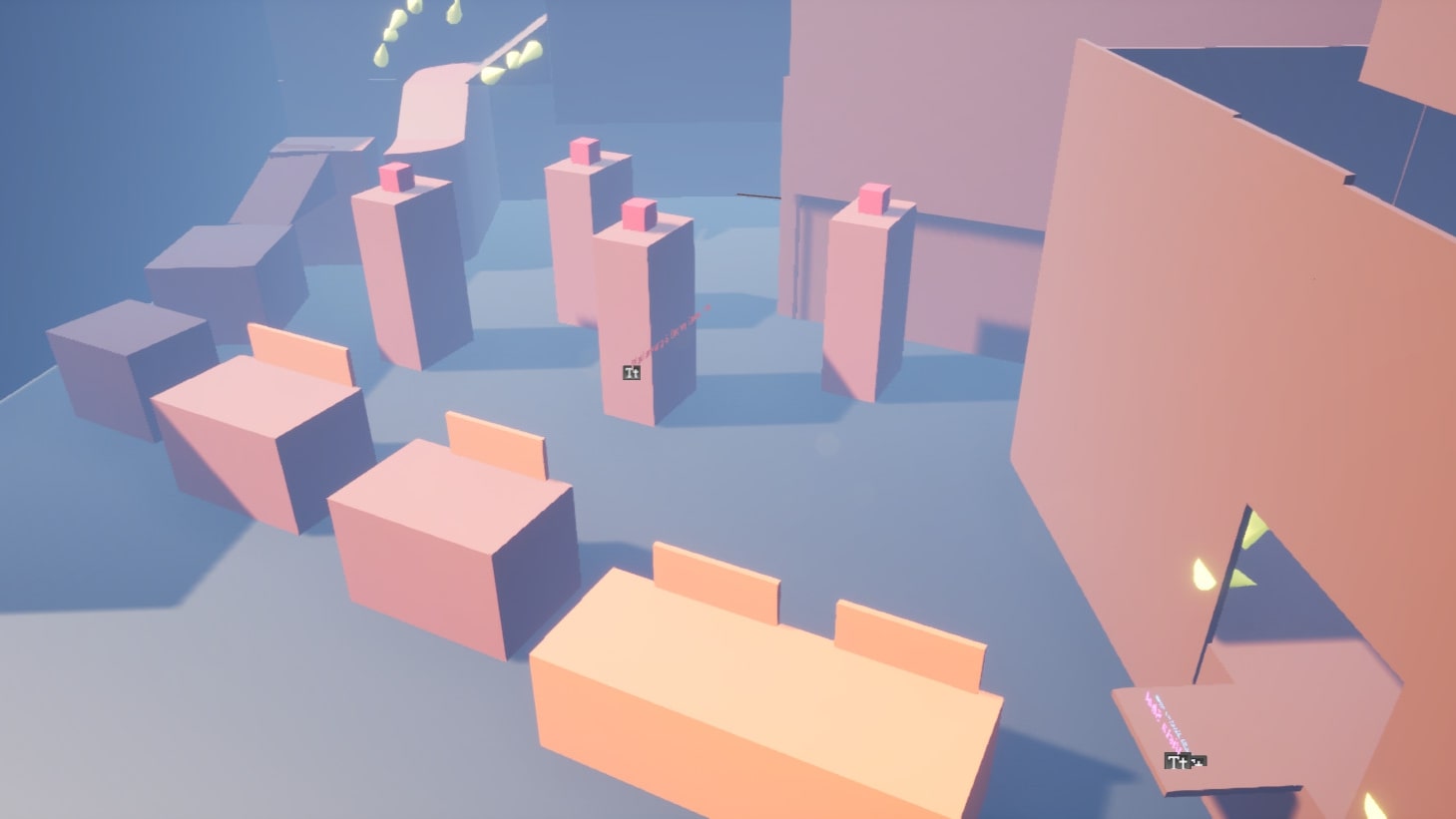
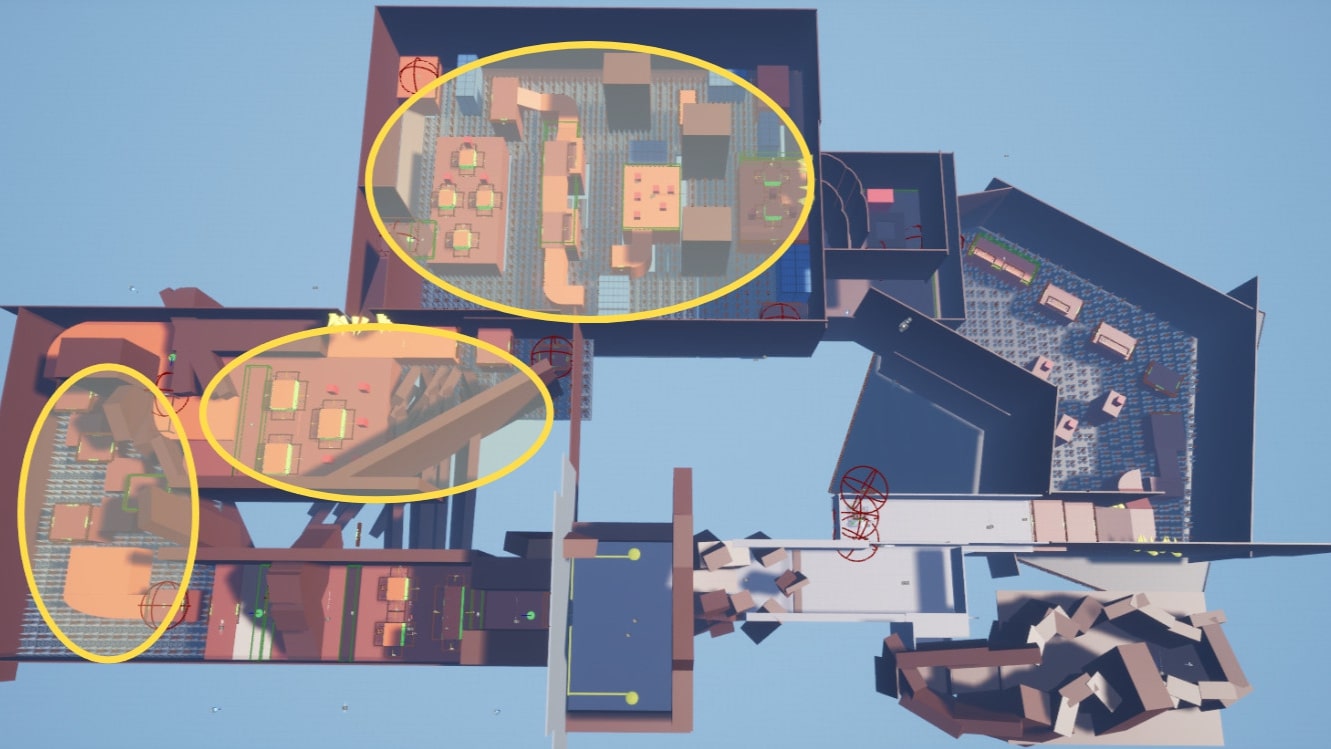
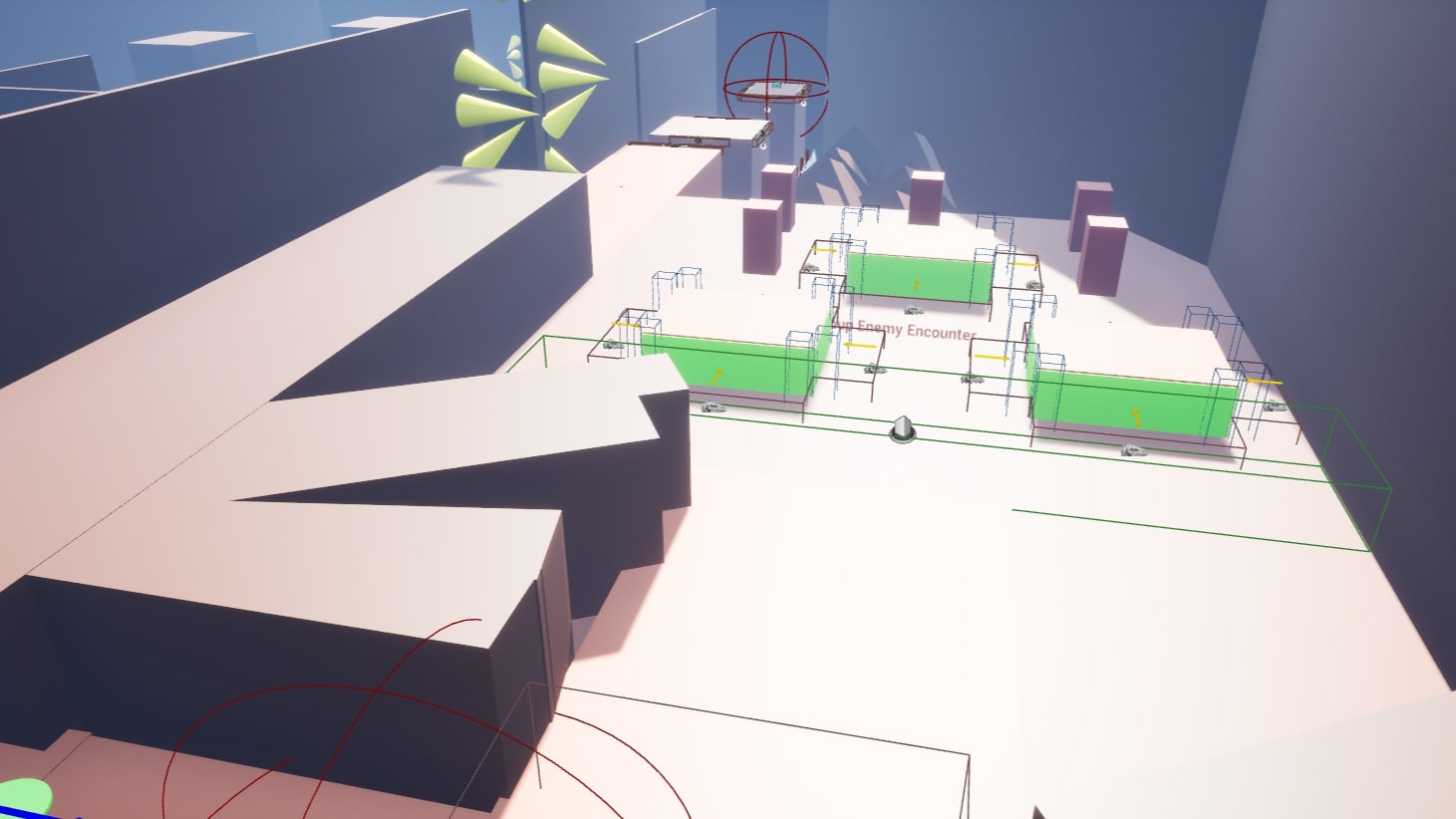
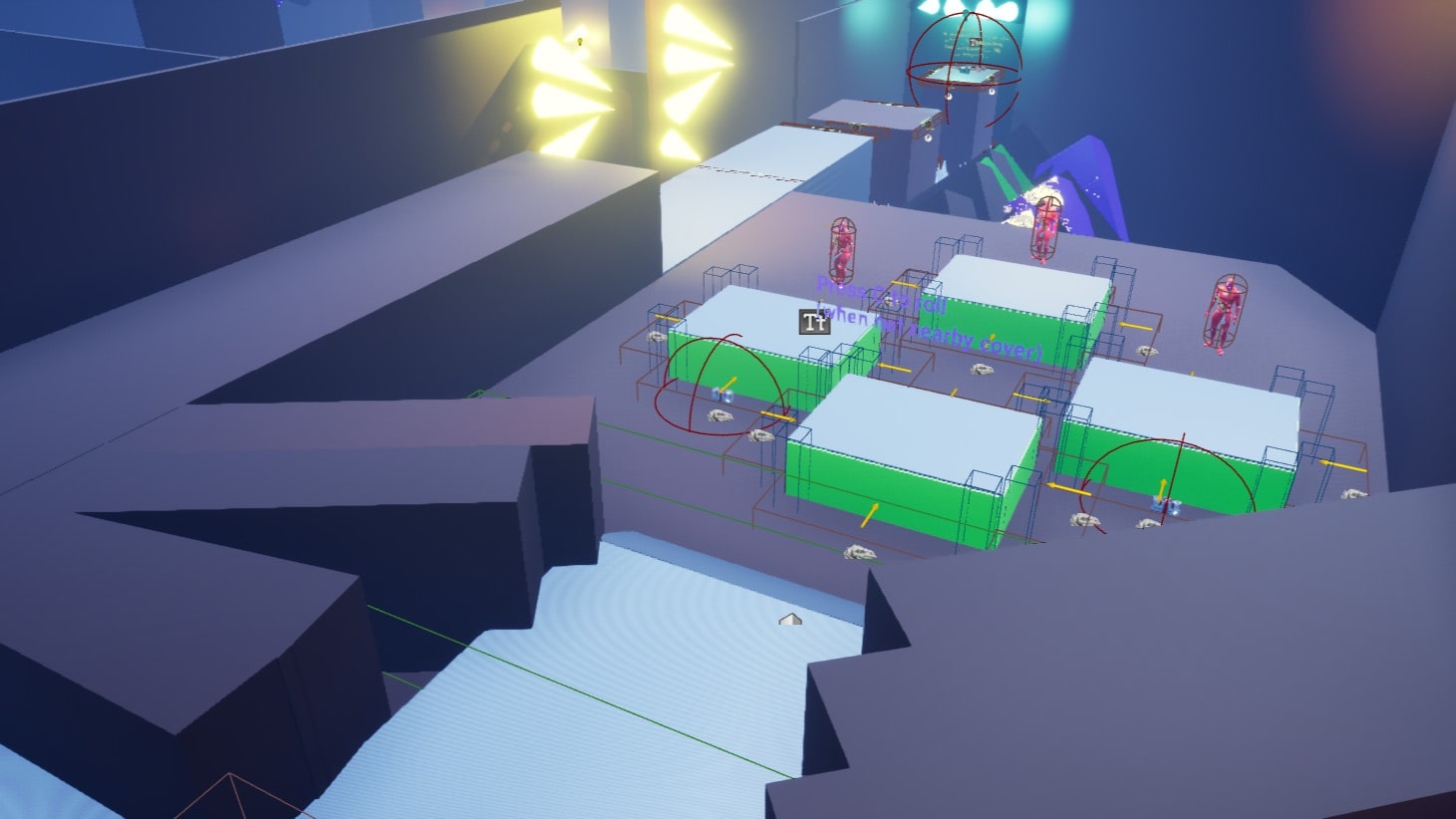
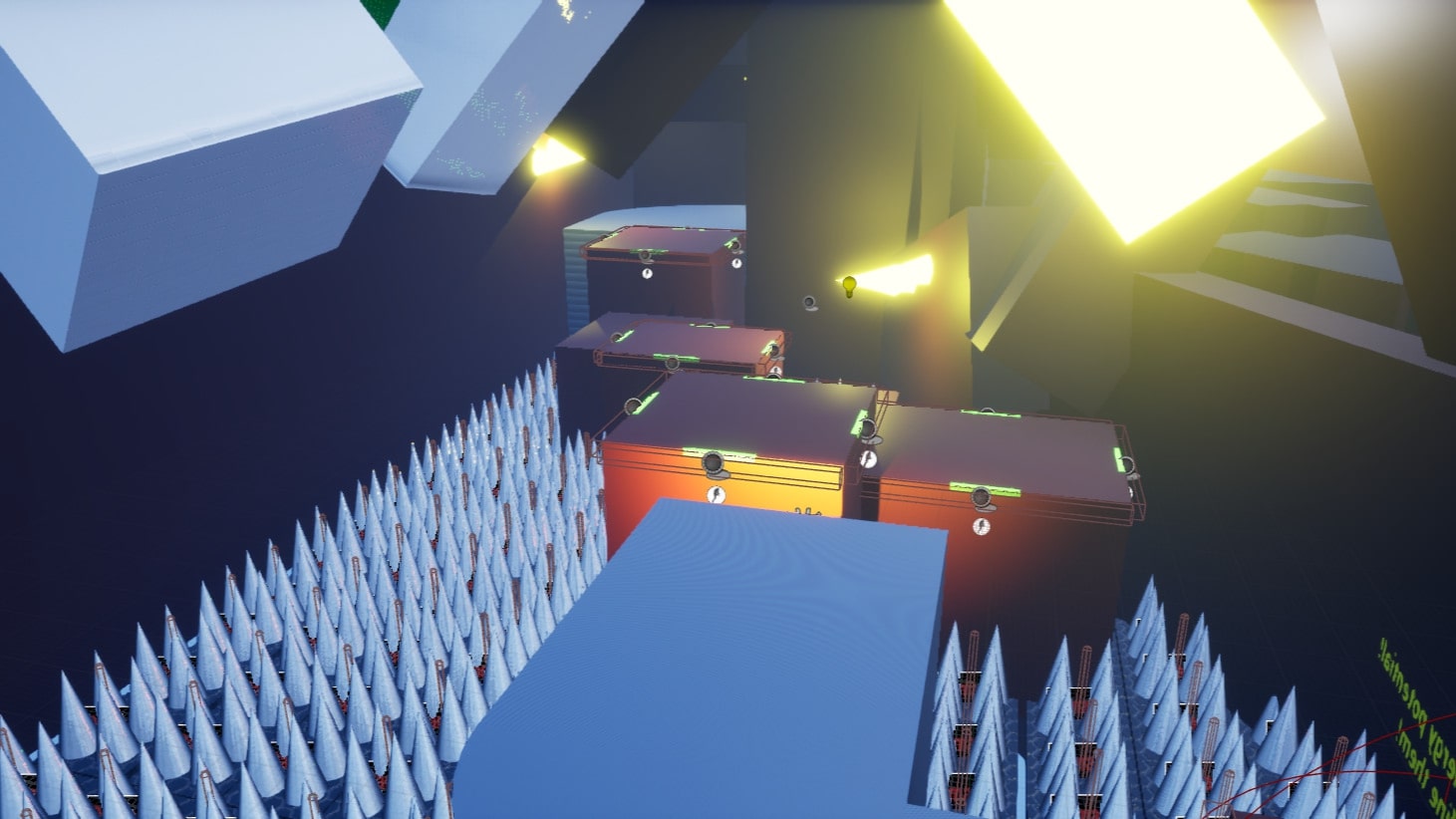
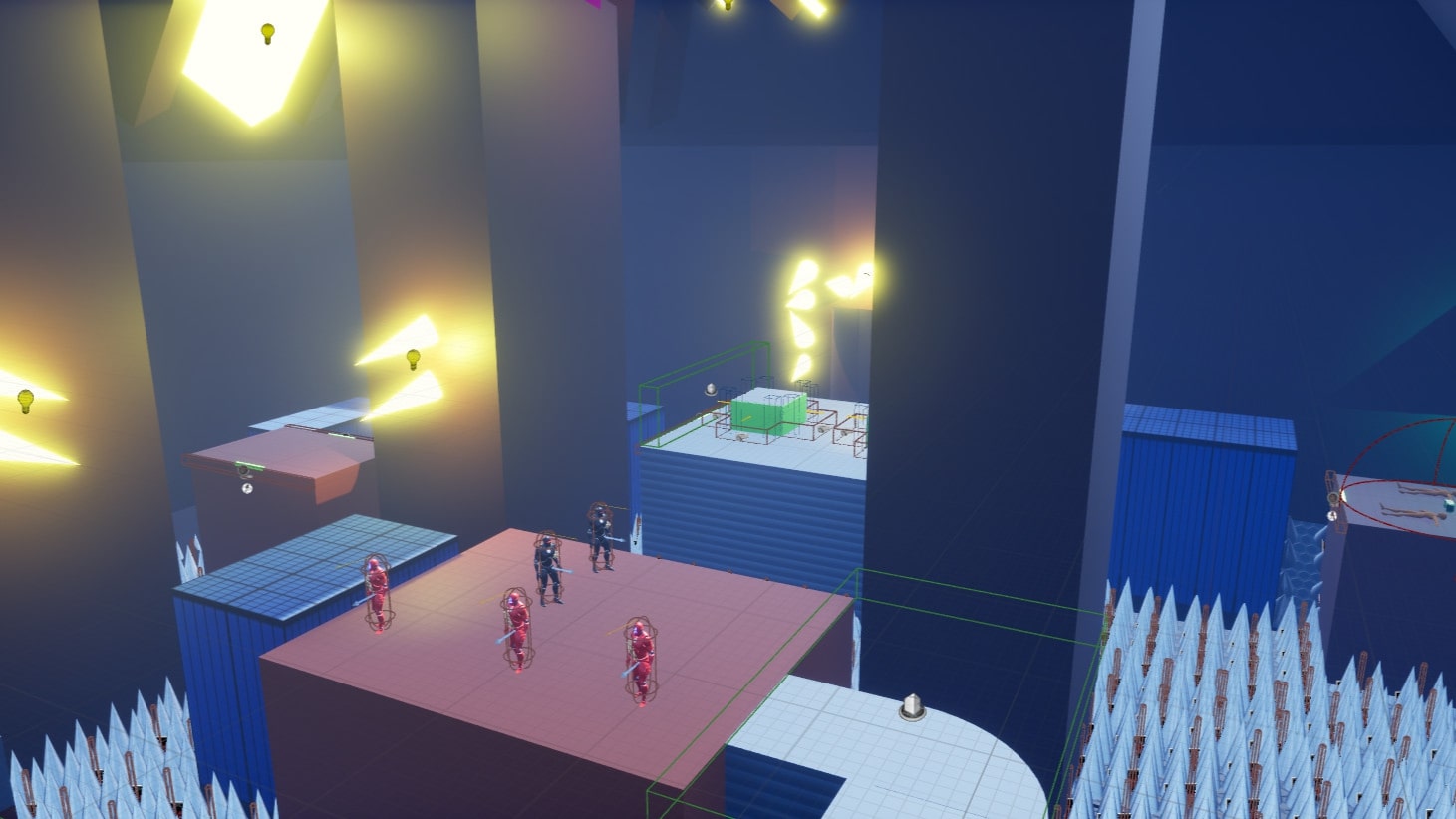
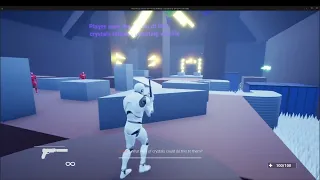
    Context of use-case: Each combat area offers various cover mechanic opportunities (such as flanking, blind firing, or cornering) for the player to strategize where to attack from and how to defeat enemies

    Technique Detail:

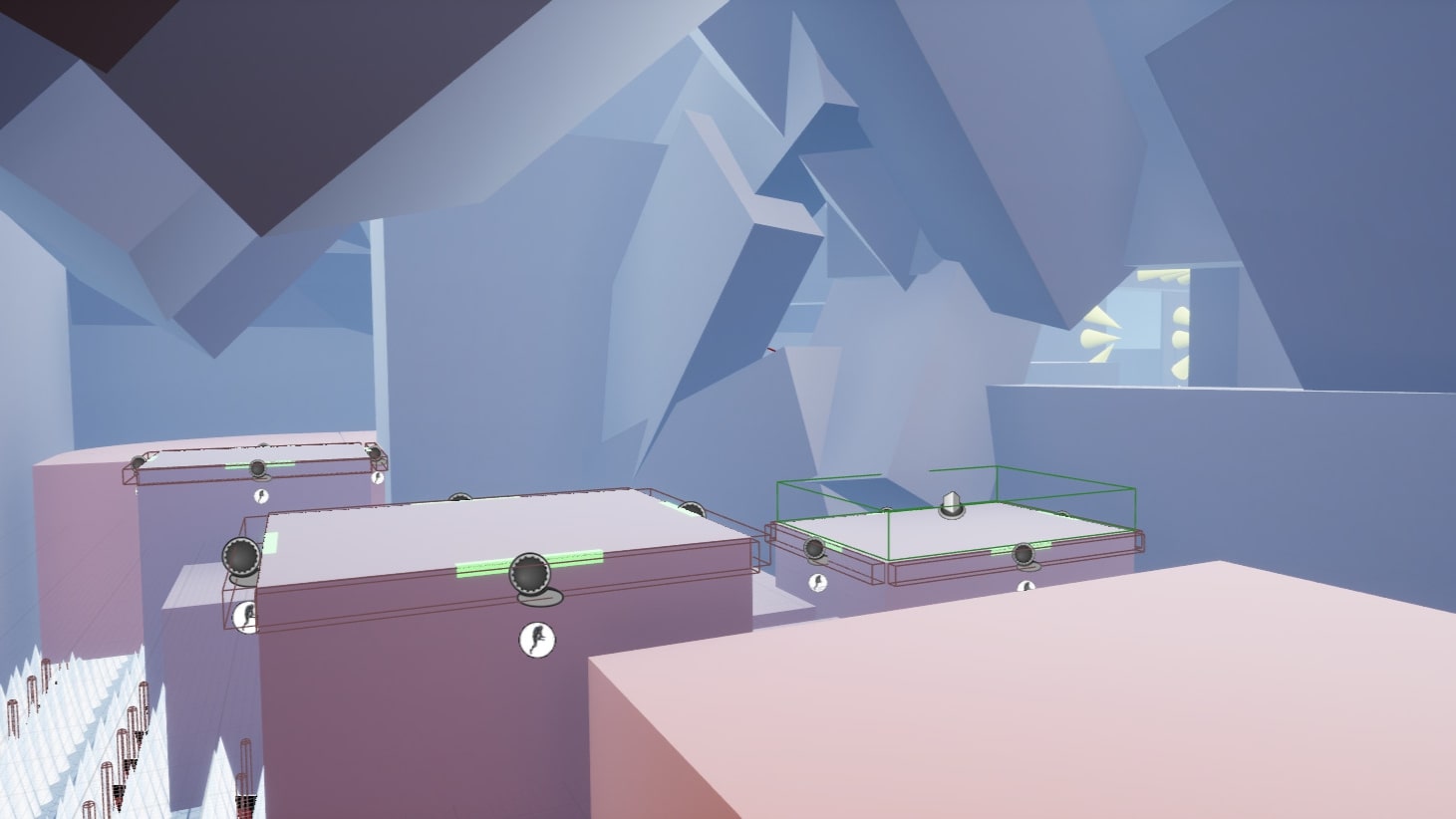
    • Machinery / Equipment Cover: Cover points laid out within each combat area represent machinery and equipment left behind from the mining operation to organically fit within the theme/setting of the level.

    Storytelling Elements & World Building

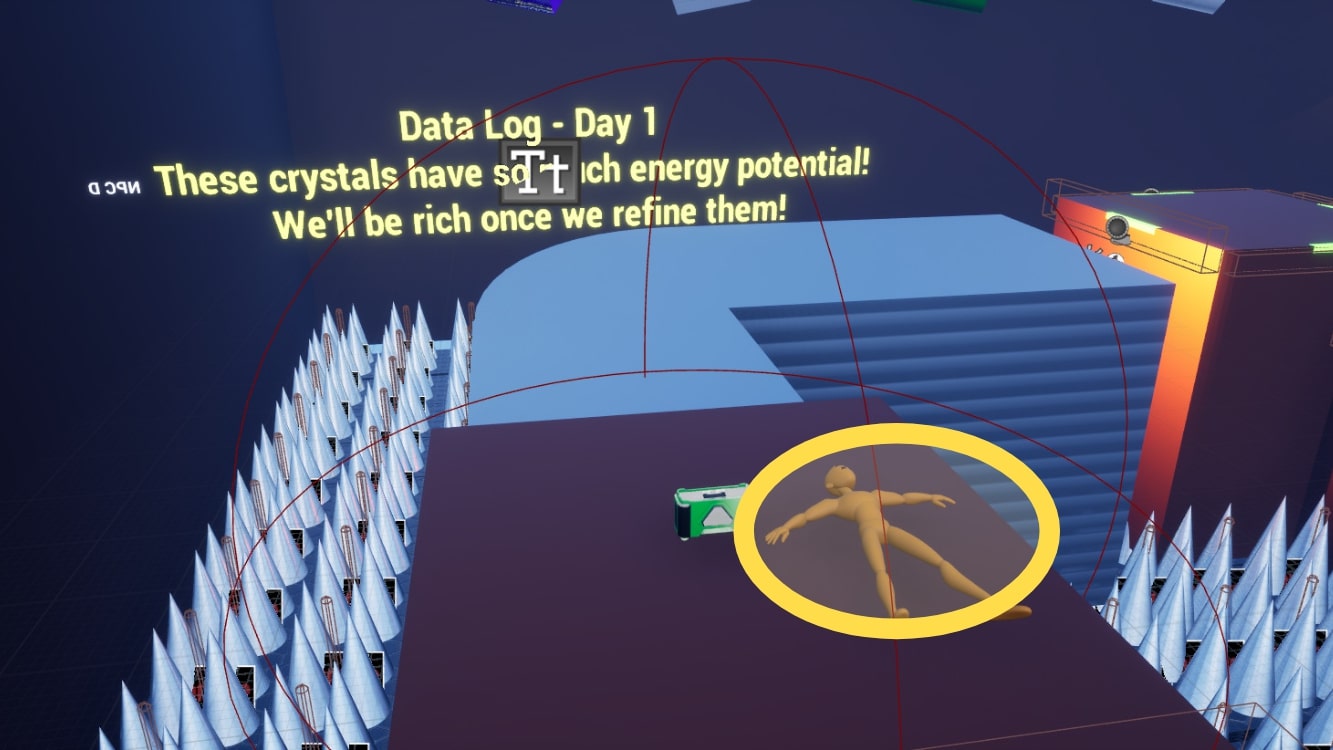
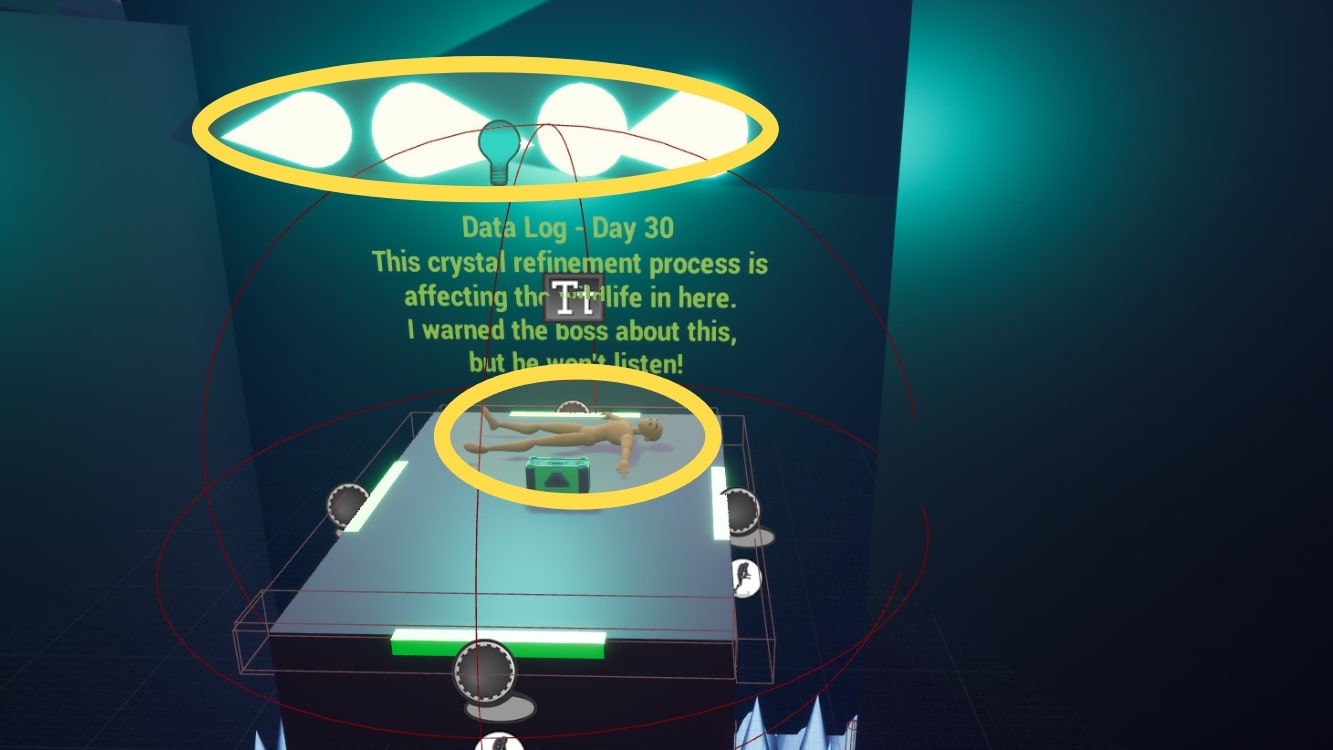
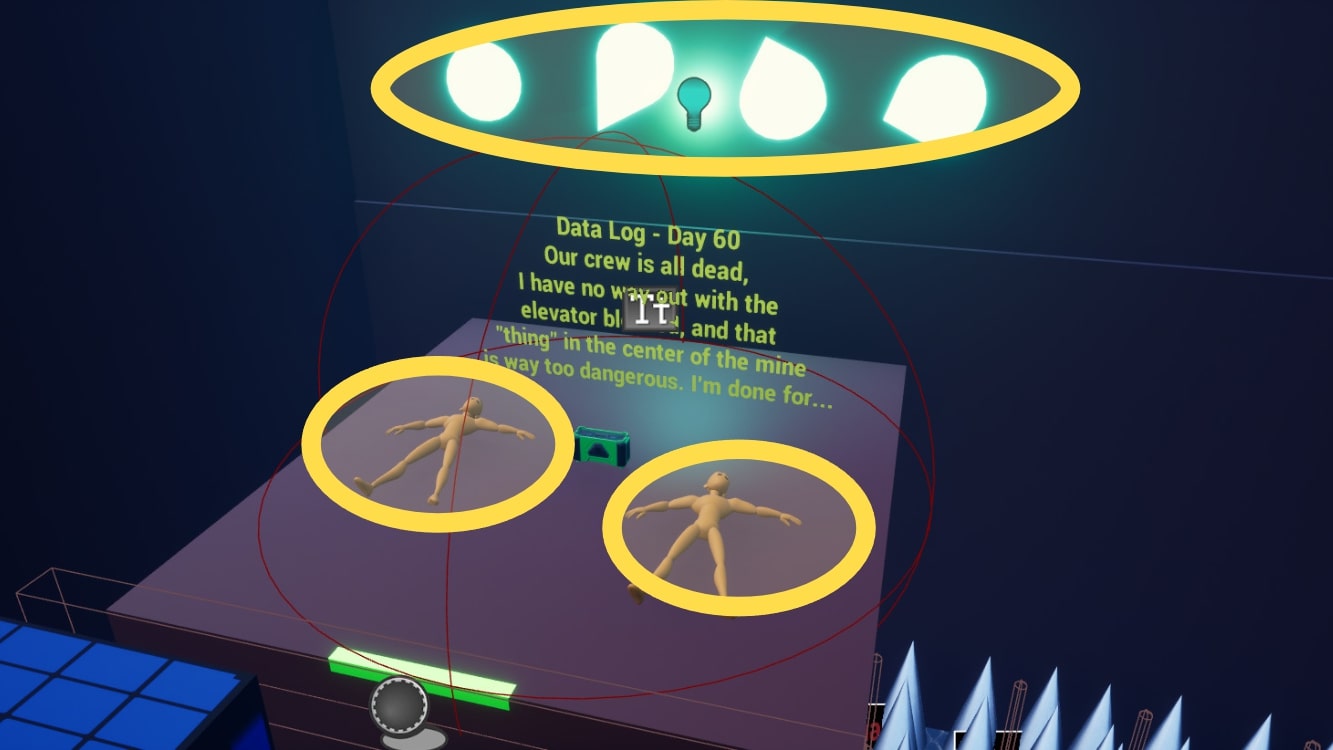
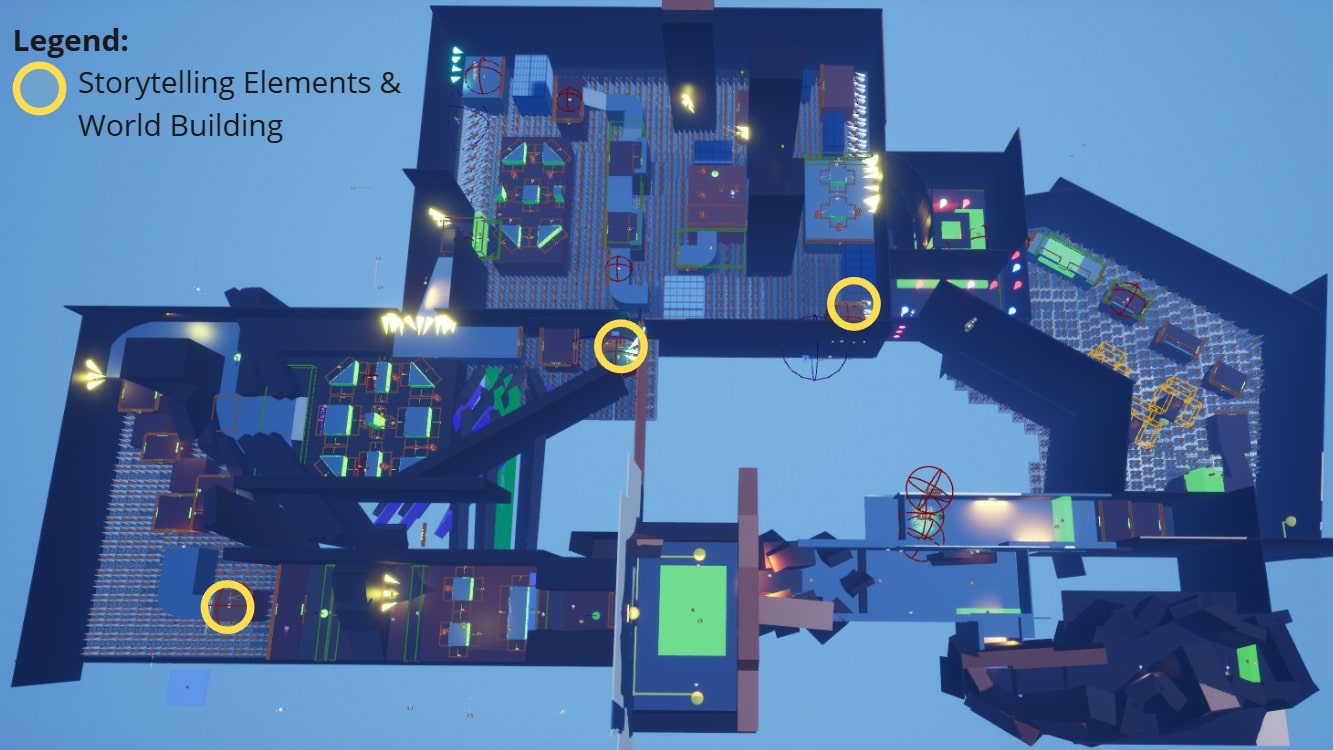
    Technique & Use-case: Gave backstory to what happened in the mine before the player arrived via data log messages

    Context of use-case: Placed data log items near corpses and blue crystals to draw attention to them. They offered insight to the level’s backstory as to why the miners were there, what dangerous effects it caused to the wildlife, and hint at the dangers ahead for the player.  

    Technique Detail:

    • Data Log Pickups: Each of these offered a glimpse into what happened to caused the mine to be abandoned. The first one is found on the main path and puts this into the players mind to search for them in the level
    • Corpses & Blue Crystals: Used these to draw attention to the player that a data log is nearby to get more backstory

    Walkthrough

    Skip to ↓
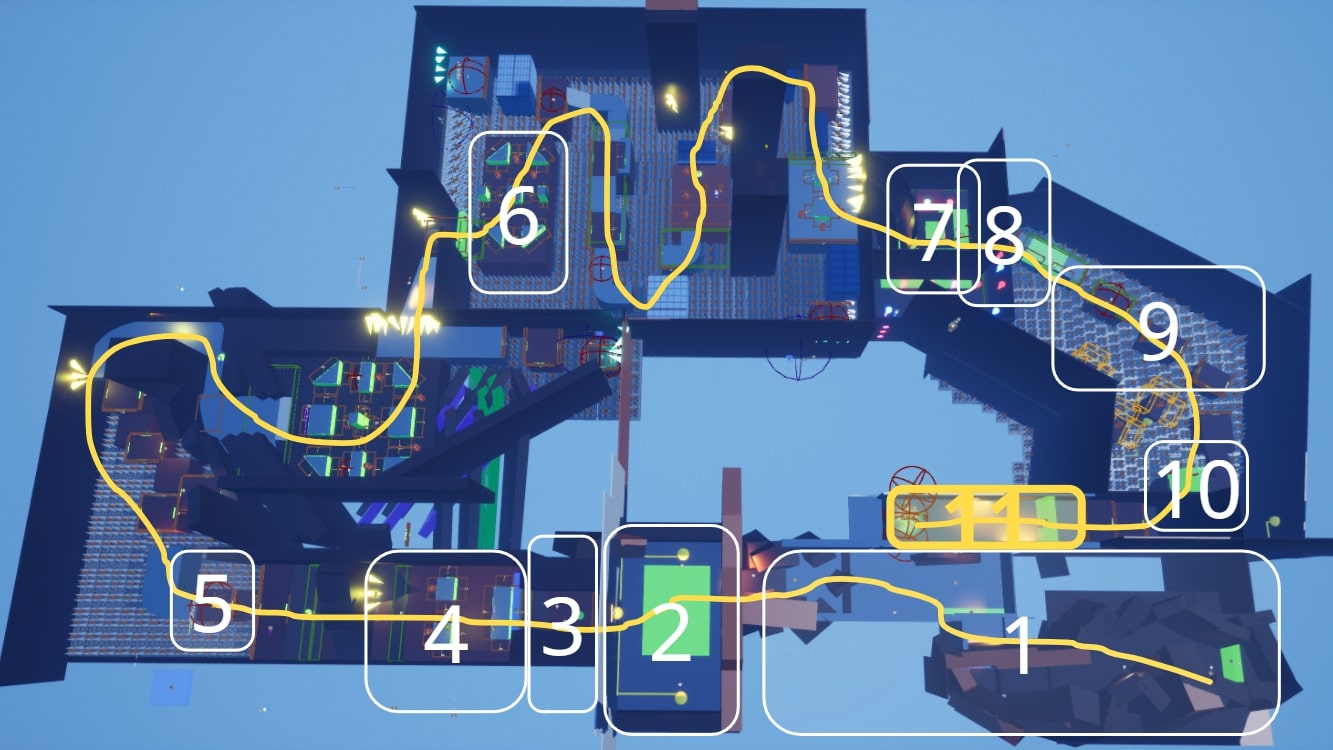
    11 Videos
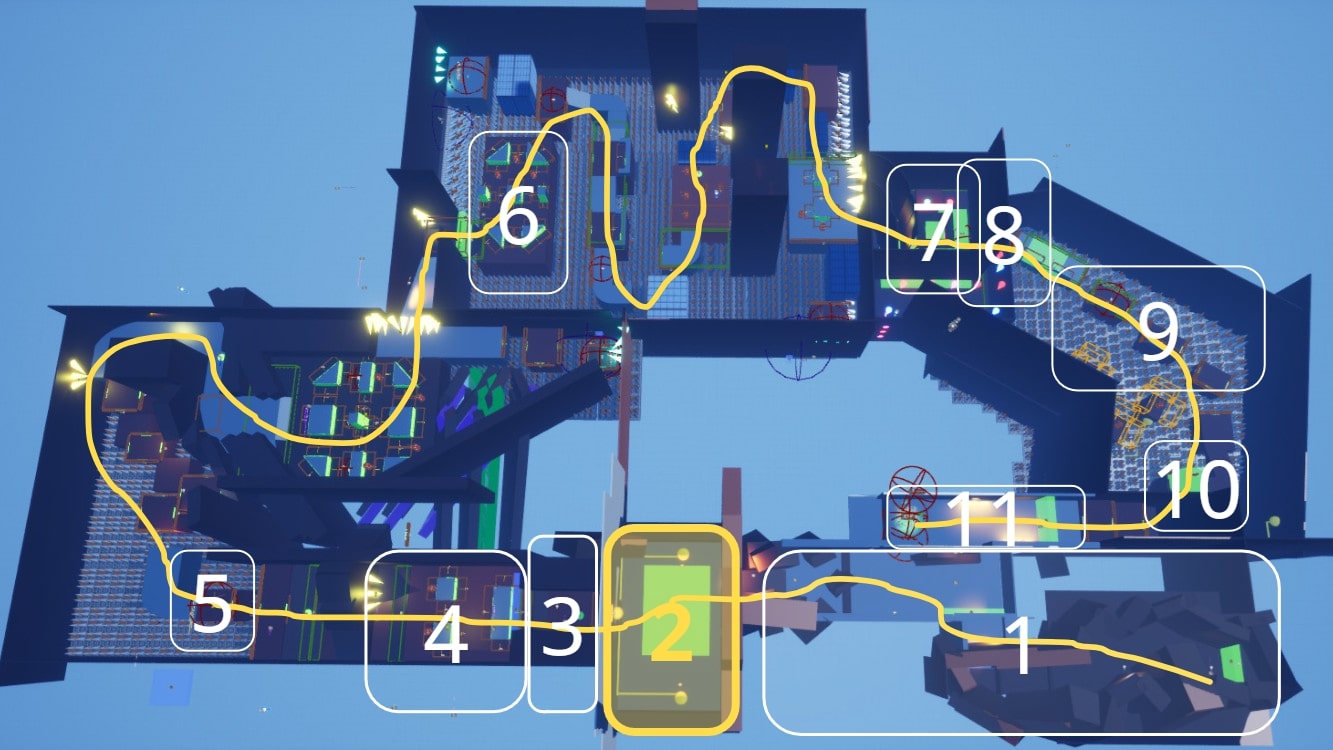
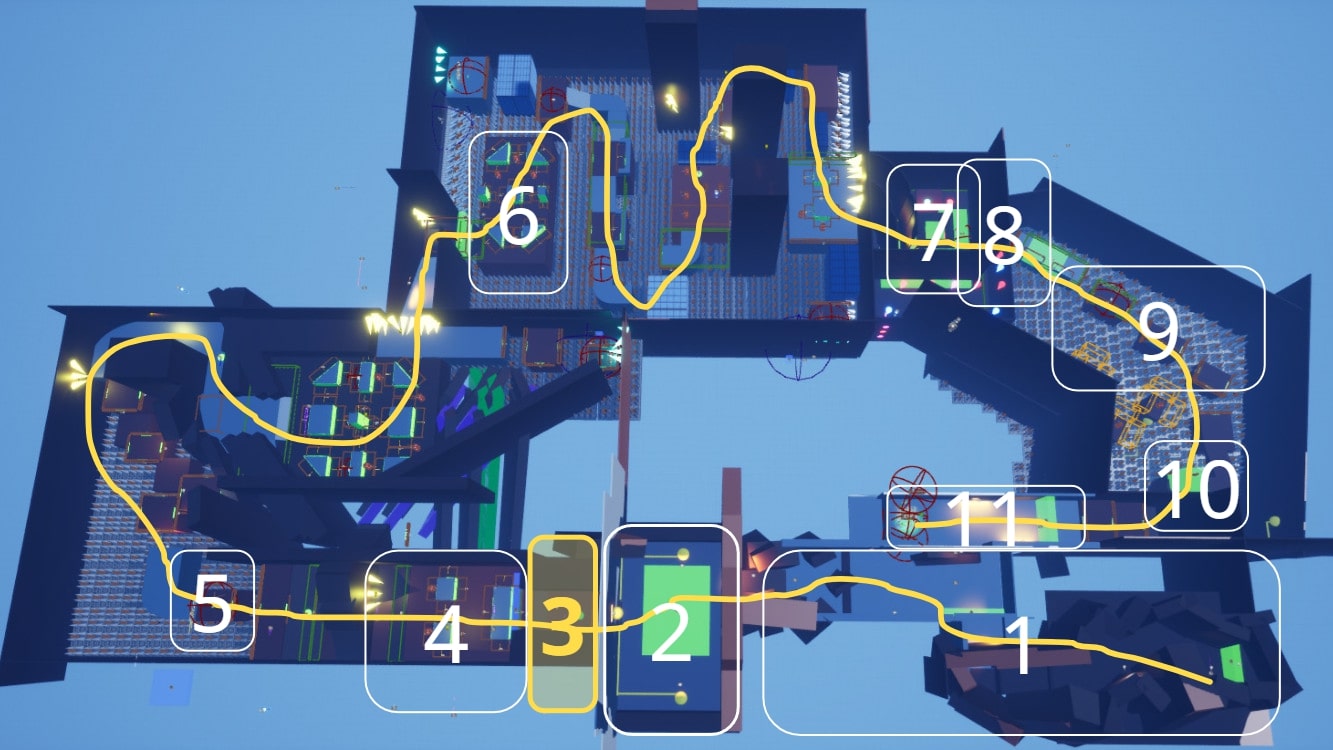
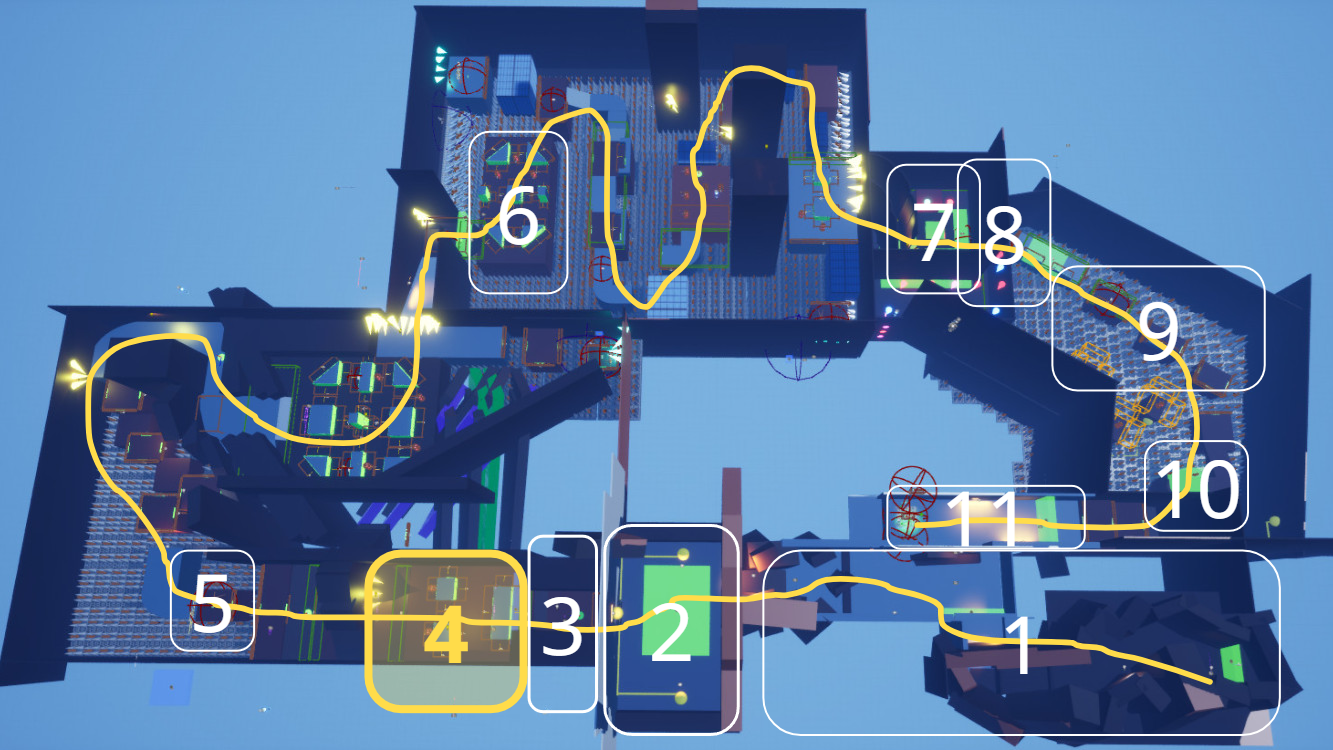
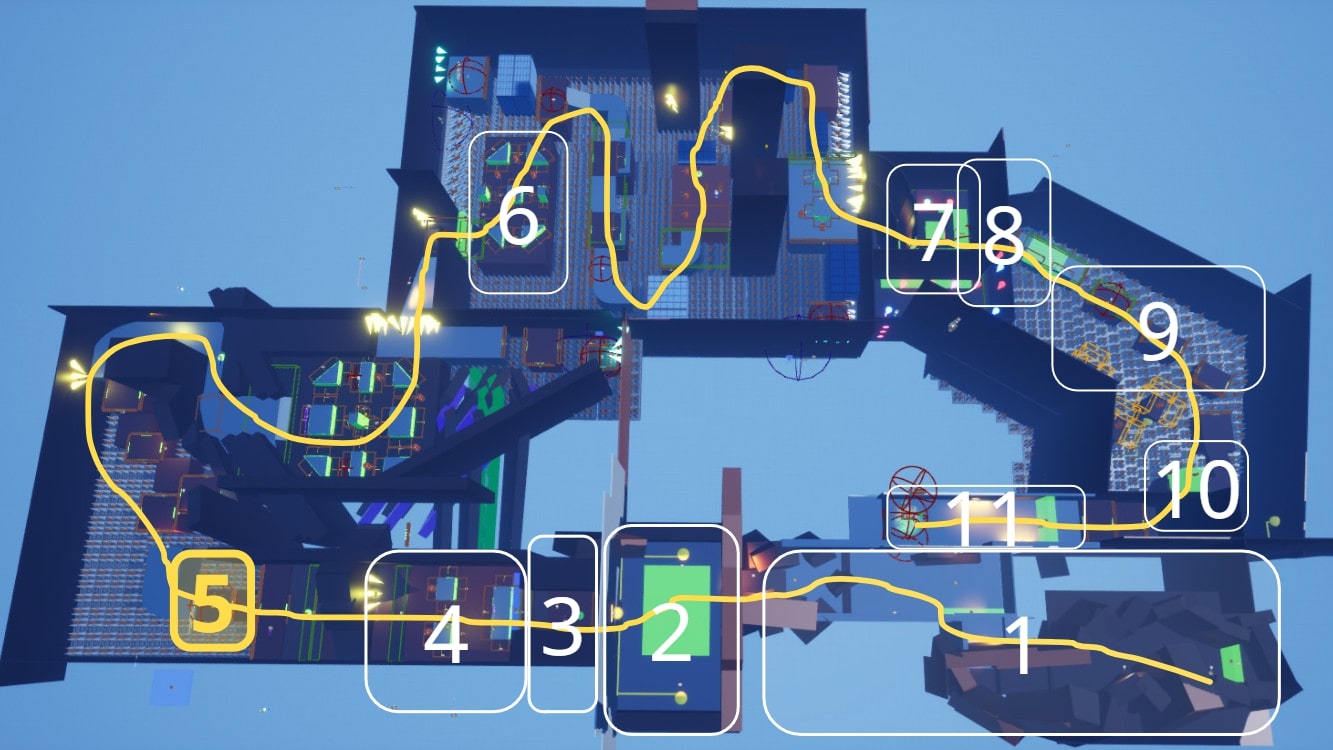
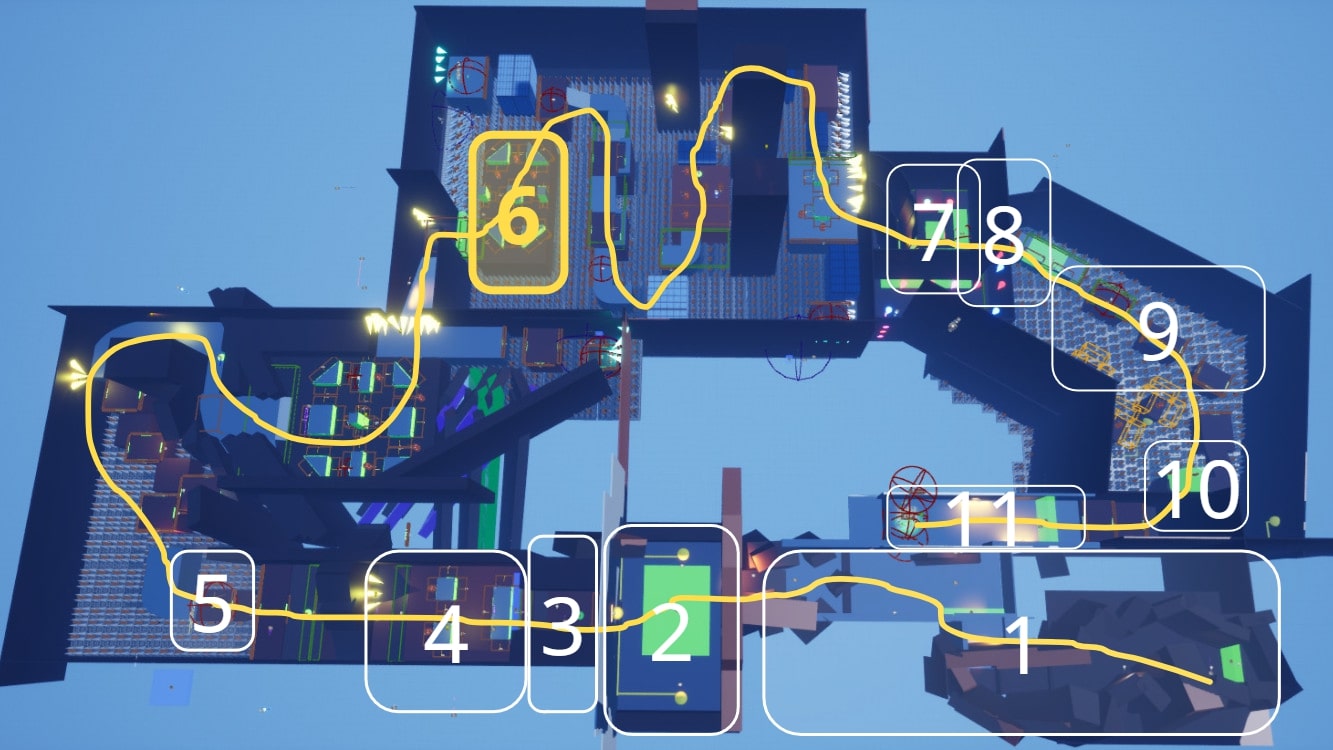
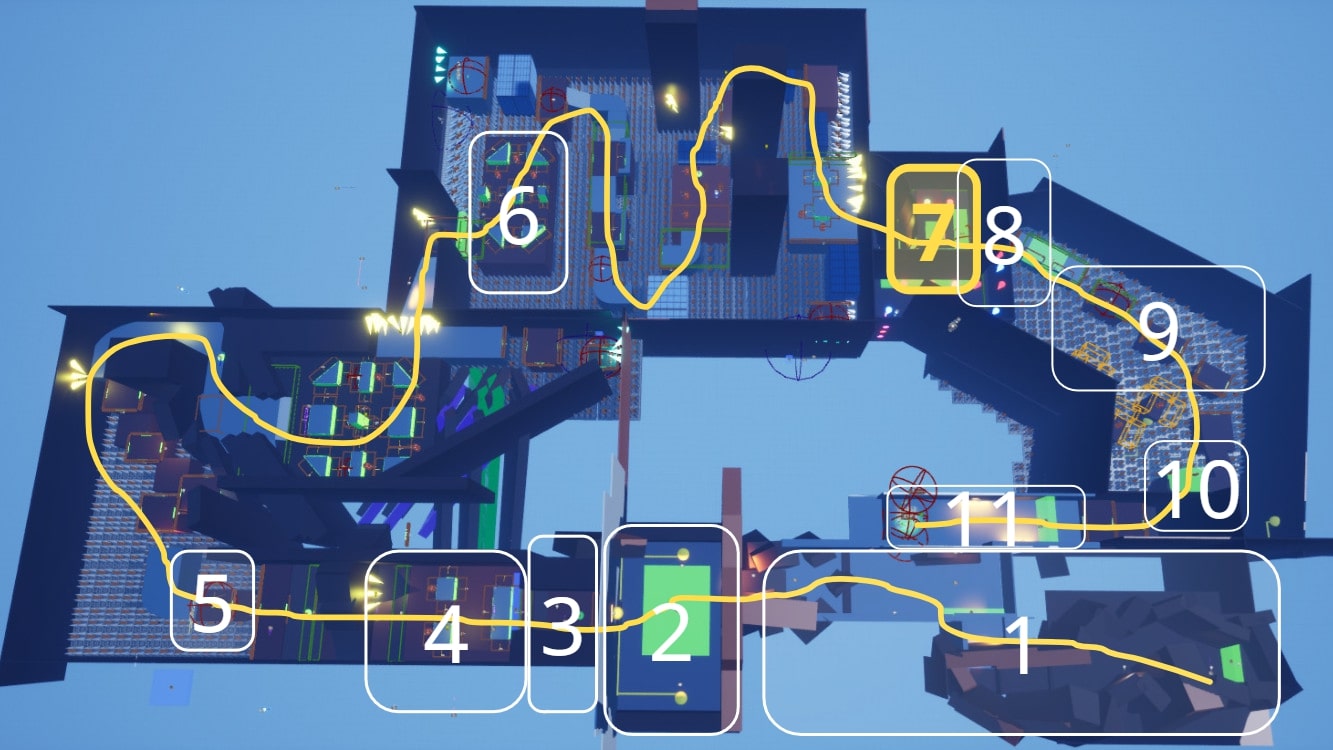
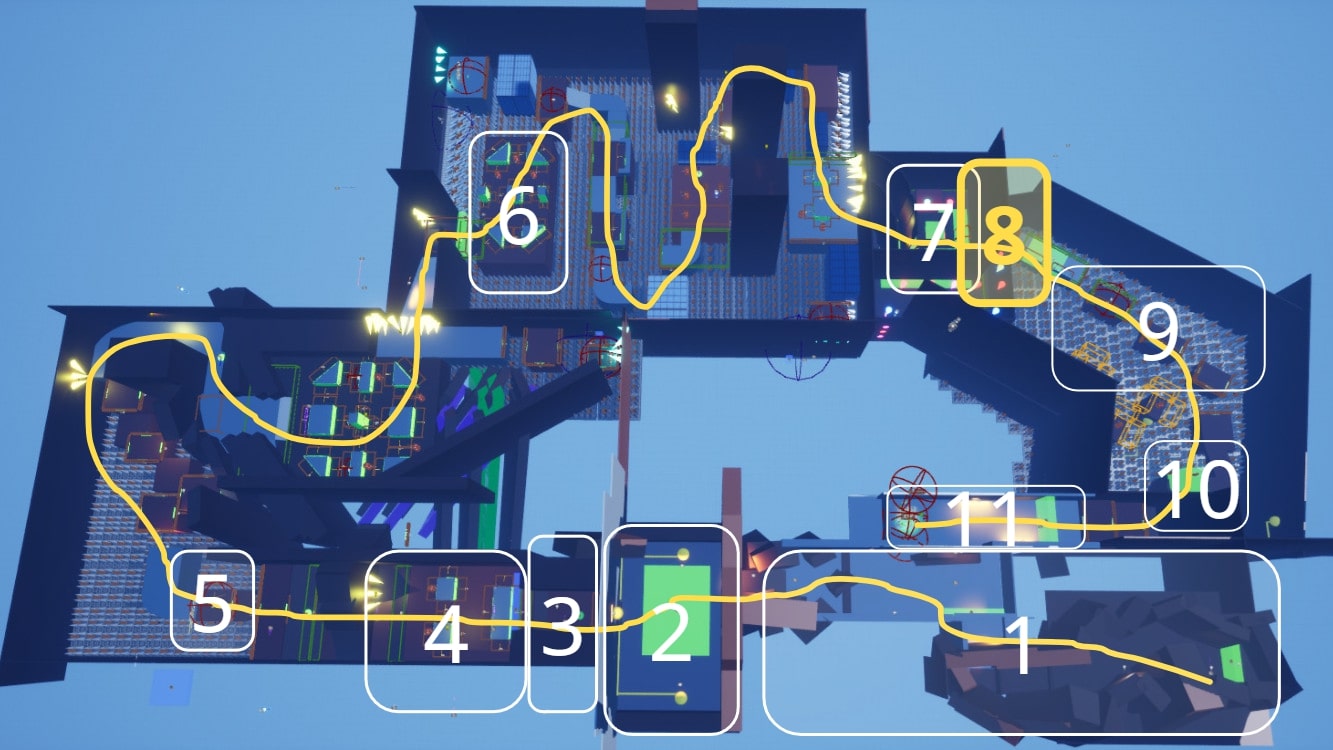
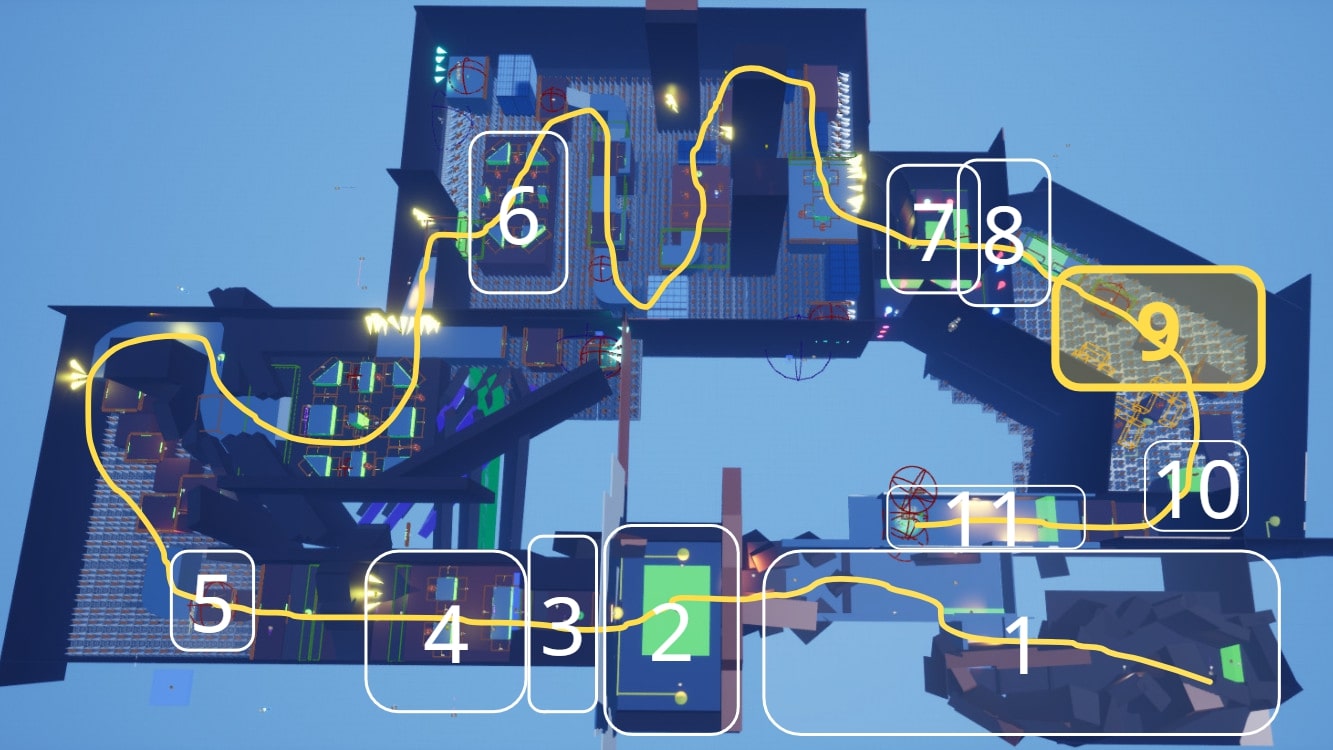
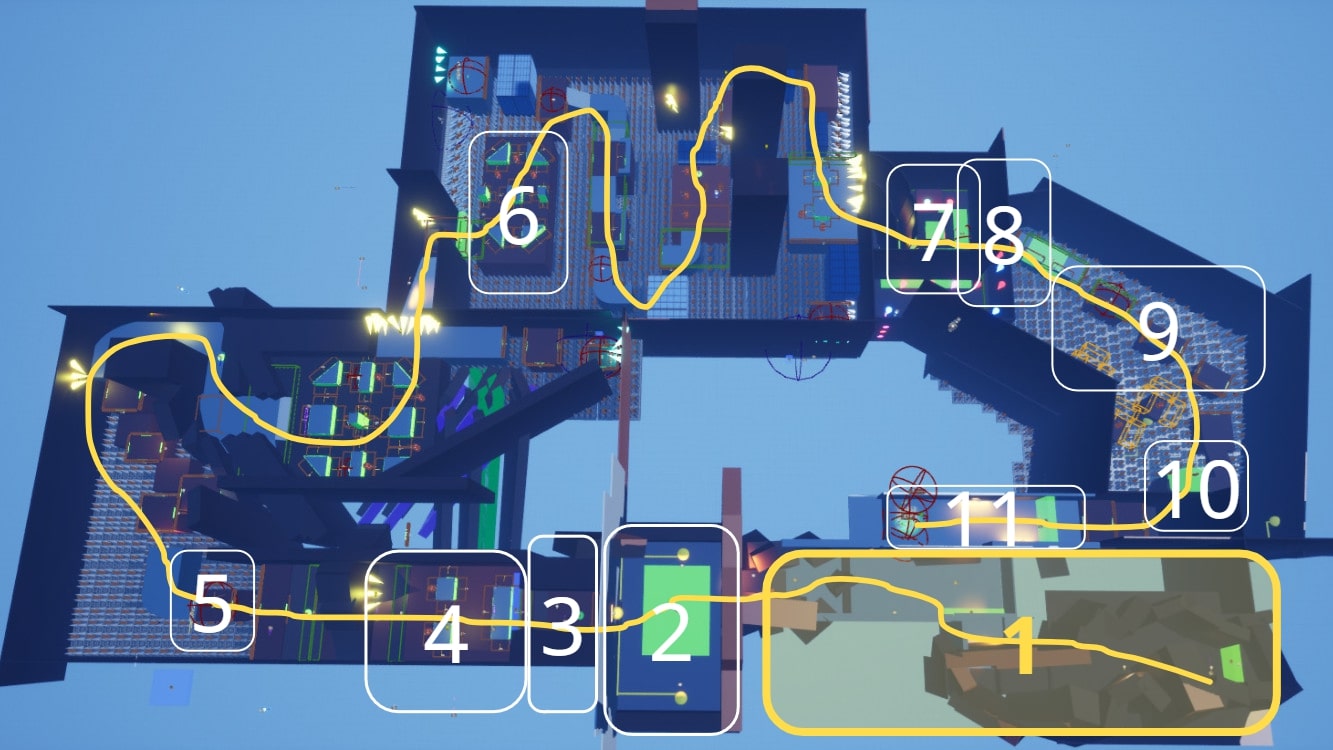
    Beat Overview

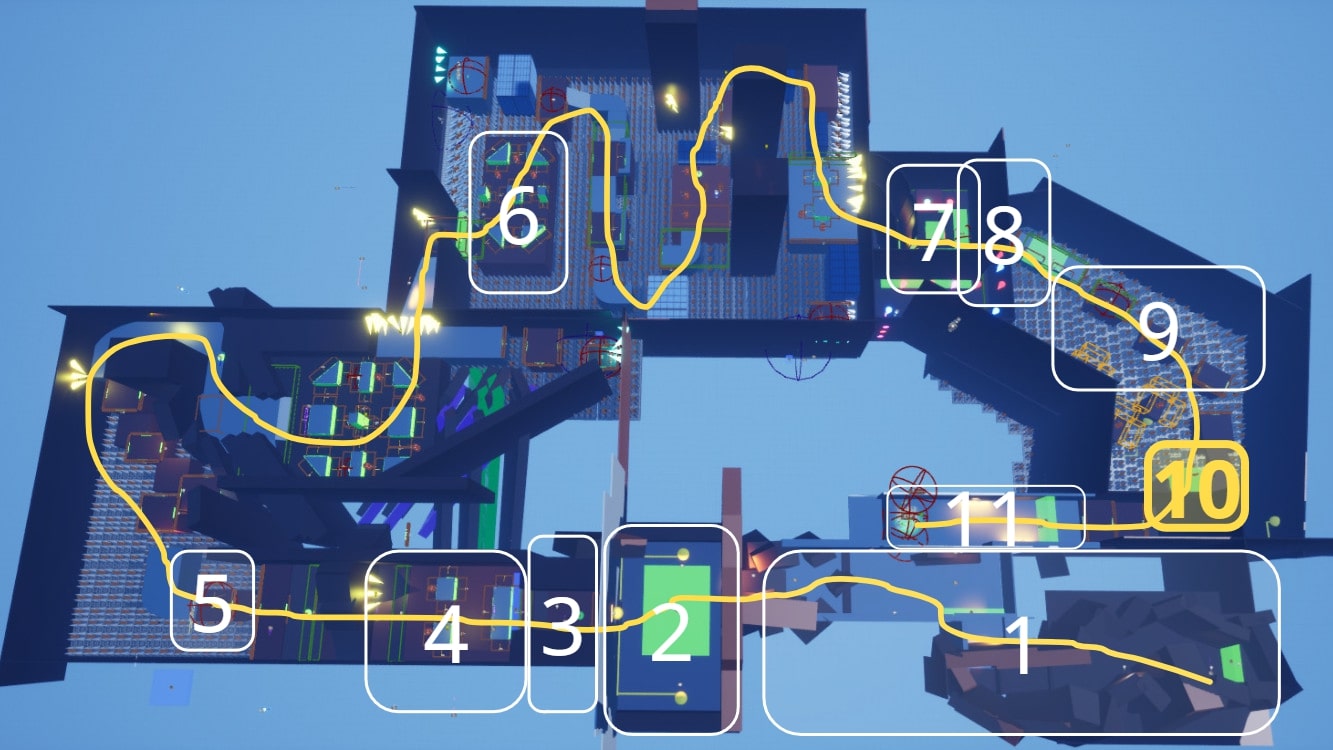
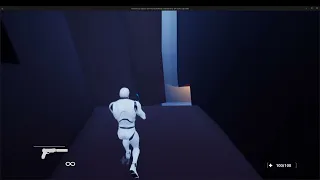
    Beat 1: Falling into the mine

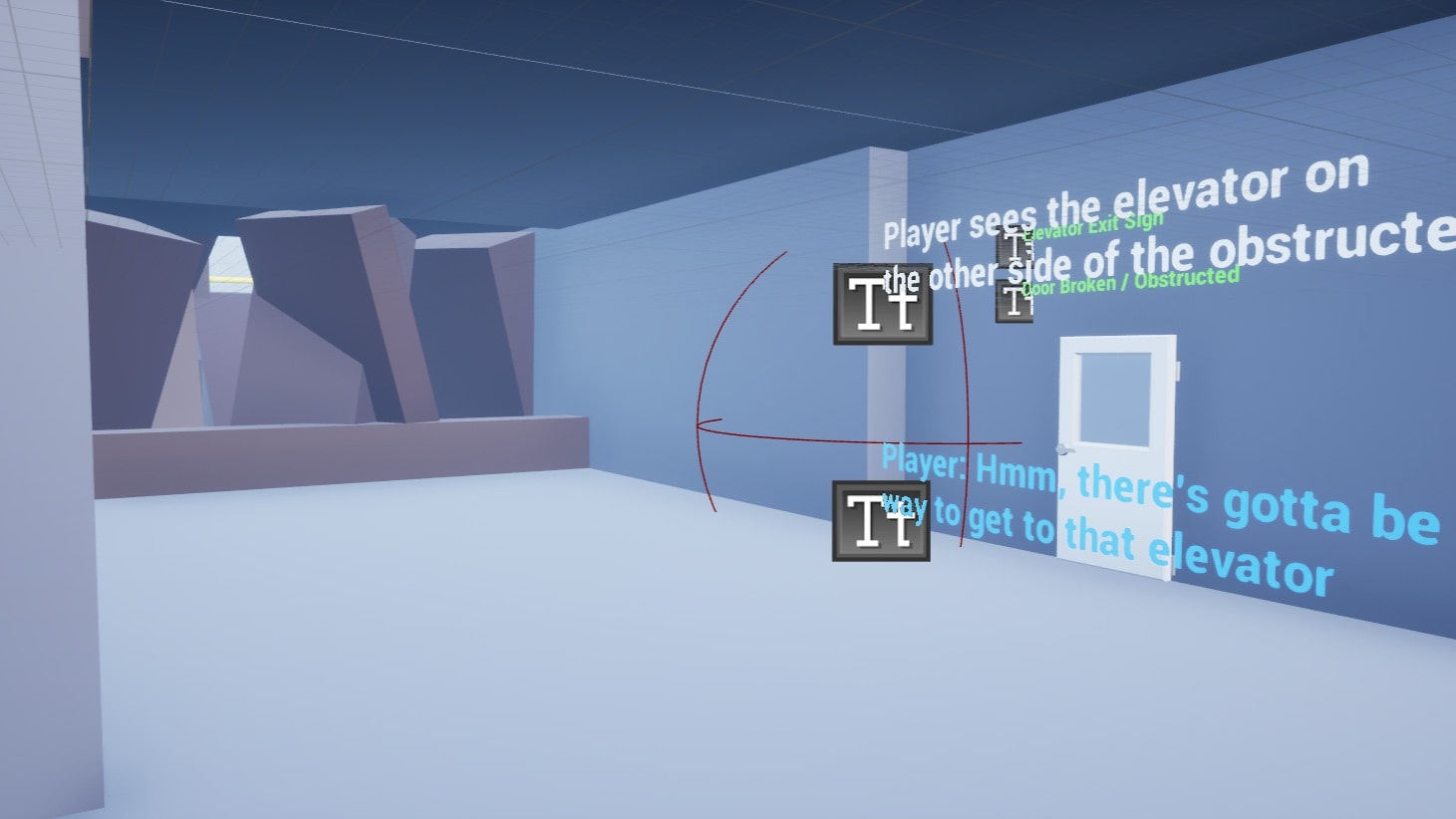
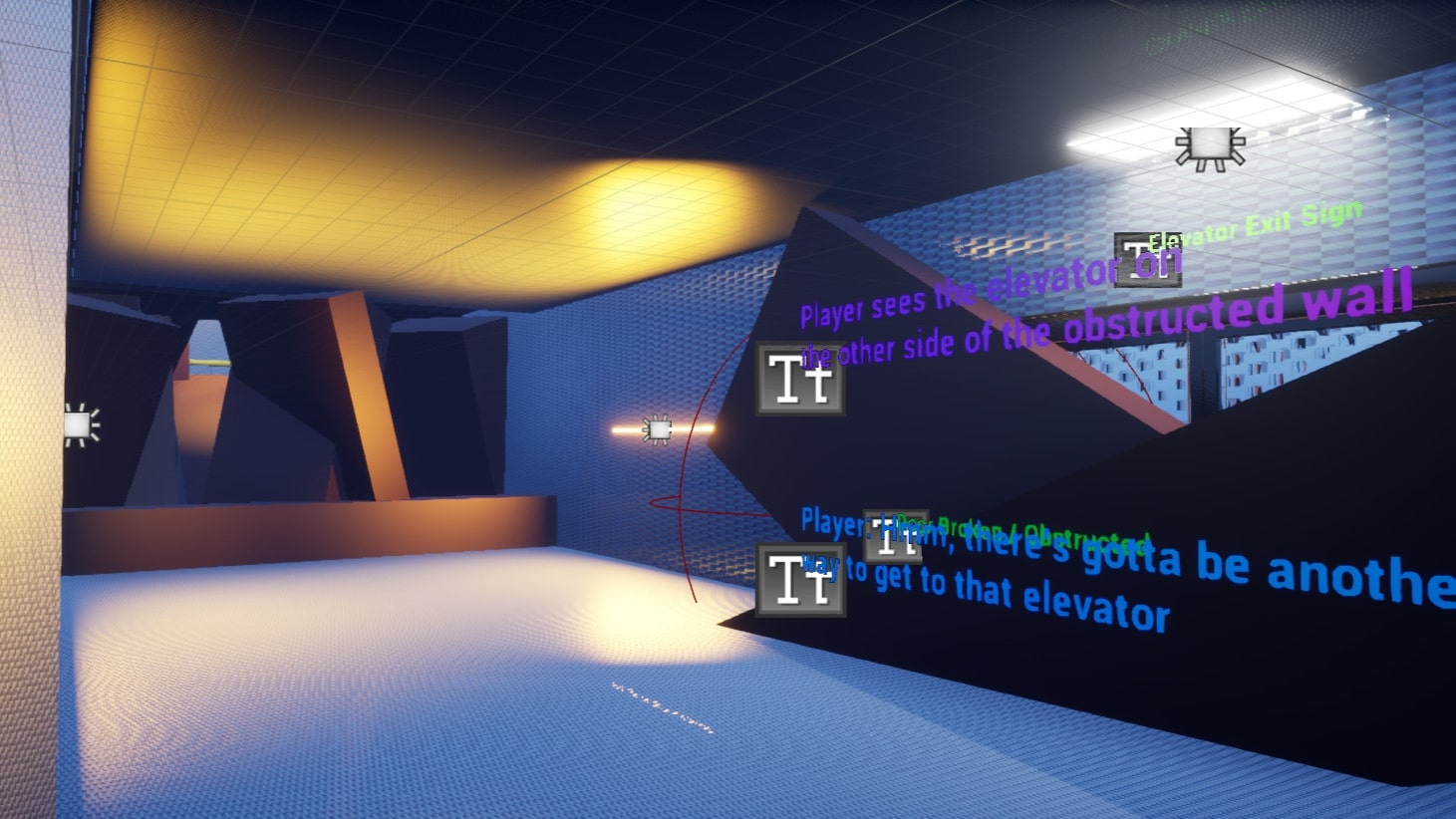
    Player begins the level dropped into the corridor leading leading to the mine. They move towards a light that is peaking through a hole at the end of the cave hallway. They see an elevator leading out but it’s blocked by debris and they must find an alternate route to get to the elevator
    Process Breakdown

    Overview

    1. Research, Ideation & Planning

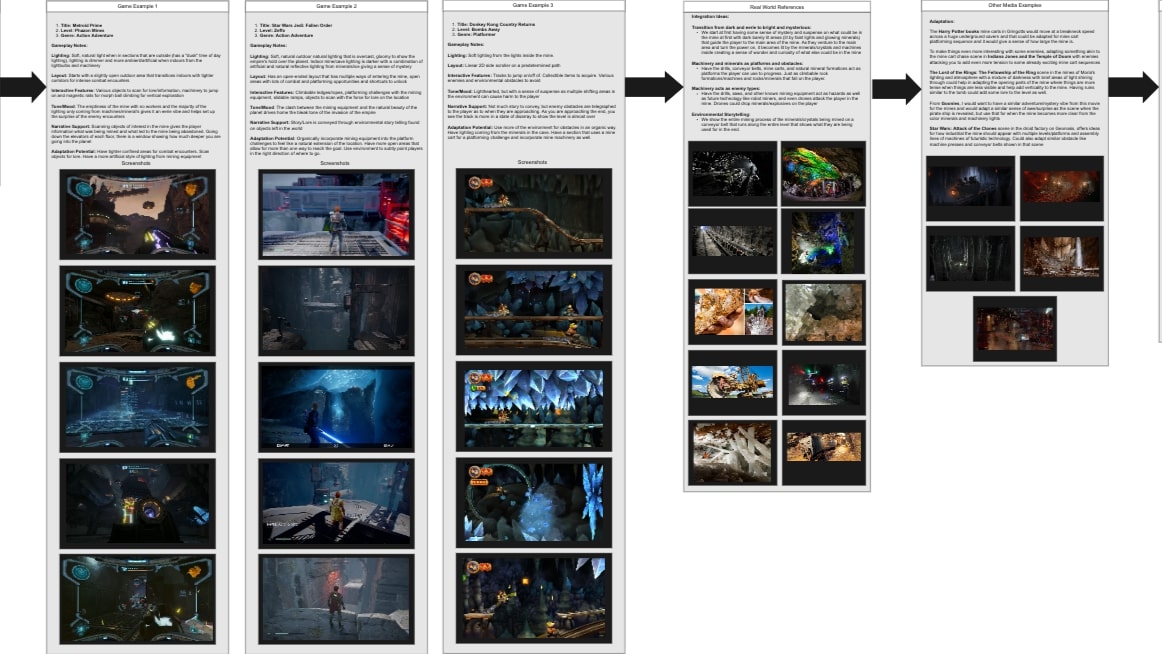
    I analyzed and researched 3 games, real-world references, and other medias as inspiration and contextualized it to my level idea “The Crystal Mines” to start mapping beats, sketch a 2D layout, and plan out a LDD.
    • Analyzing Games: I drew inspiration from Metroid Prime, Star Wars Jedi: Fallen Order, and Donkey Kong Country Returns to guide my level design.
    • Researching Real-World References: I studied mines and cave interiors, especially those with unique characters like crystals and colorful minerals to help visualize my level’s spaces.
    • Exploring Other Media: I looked at Lord of the Rings, Harry Potter, Indiana Jones, and Star Wars: Attack of the Clones for ideas on how to depict a vast mine with futuristic technology.

    2. Level Design Document

    LDD: I created a level design document to keep track of and organize all information about the project. This included:

    • Level Objectives
    • Narrative & Setting
    • Gameplay Mechanics
    • Level Beats, Flow, & Pacing

    Beat Sheet: I created a beat sheet detailing each player experience by type (combat, narrative, puzzle, etc.), intensity, or sequence and organized them using a color-coded key.

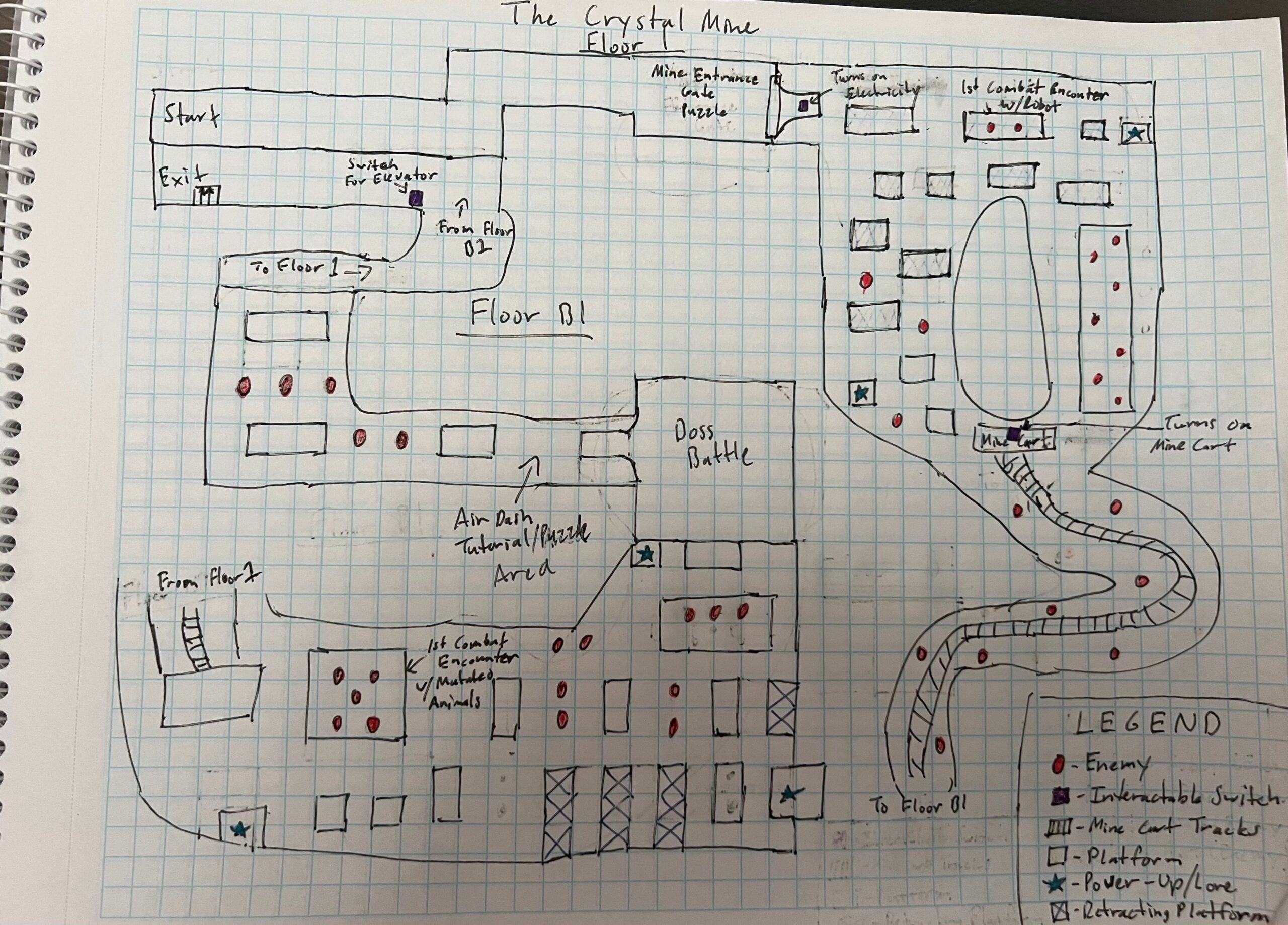
    2D Map layout: My first layout was just to have a basic understanding of where the beats and locations are. I simply sketched it on paper and used colored ink pens to identify important areas, items, beats, and add more context.

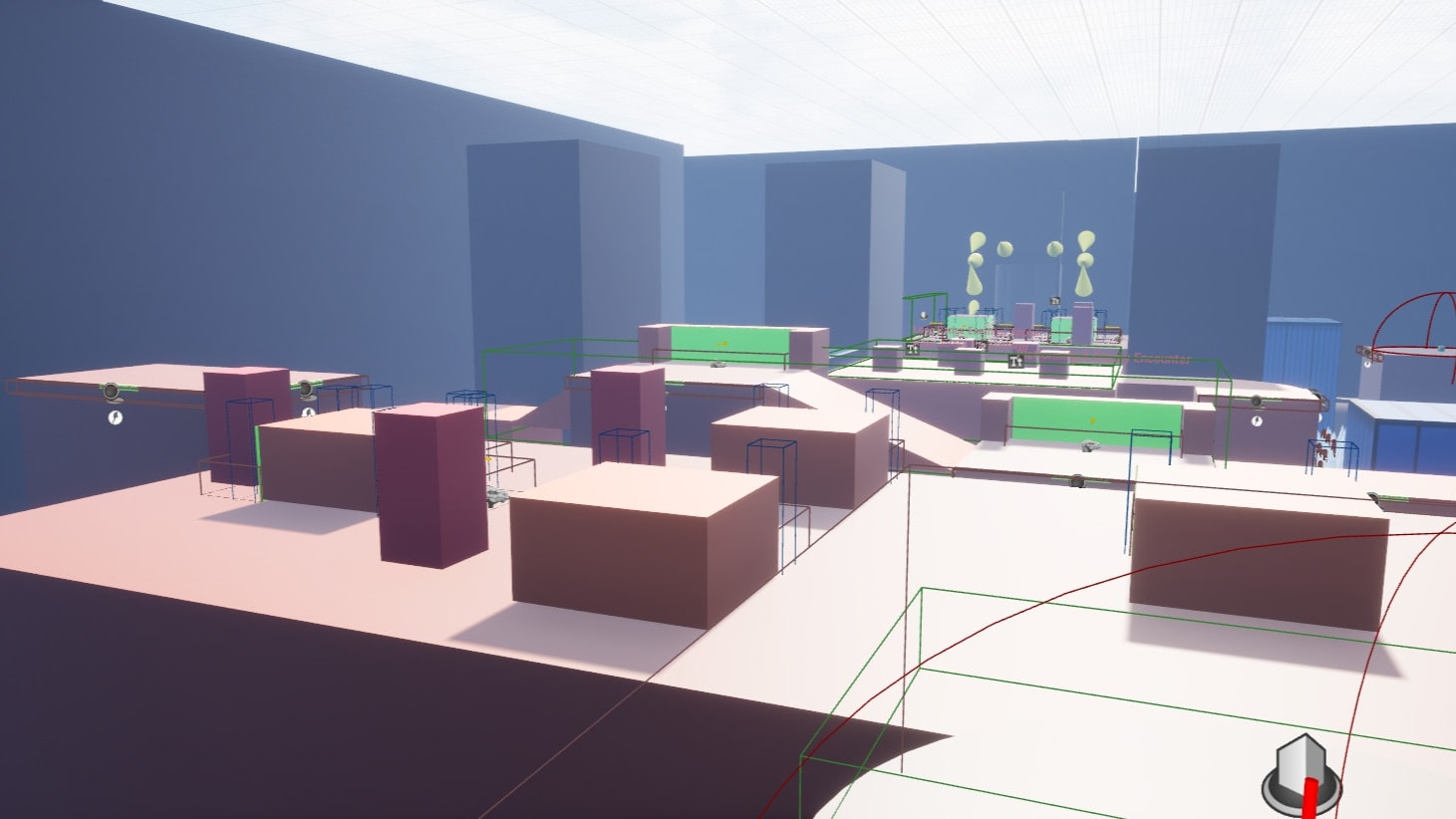
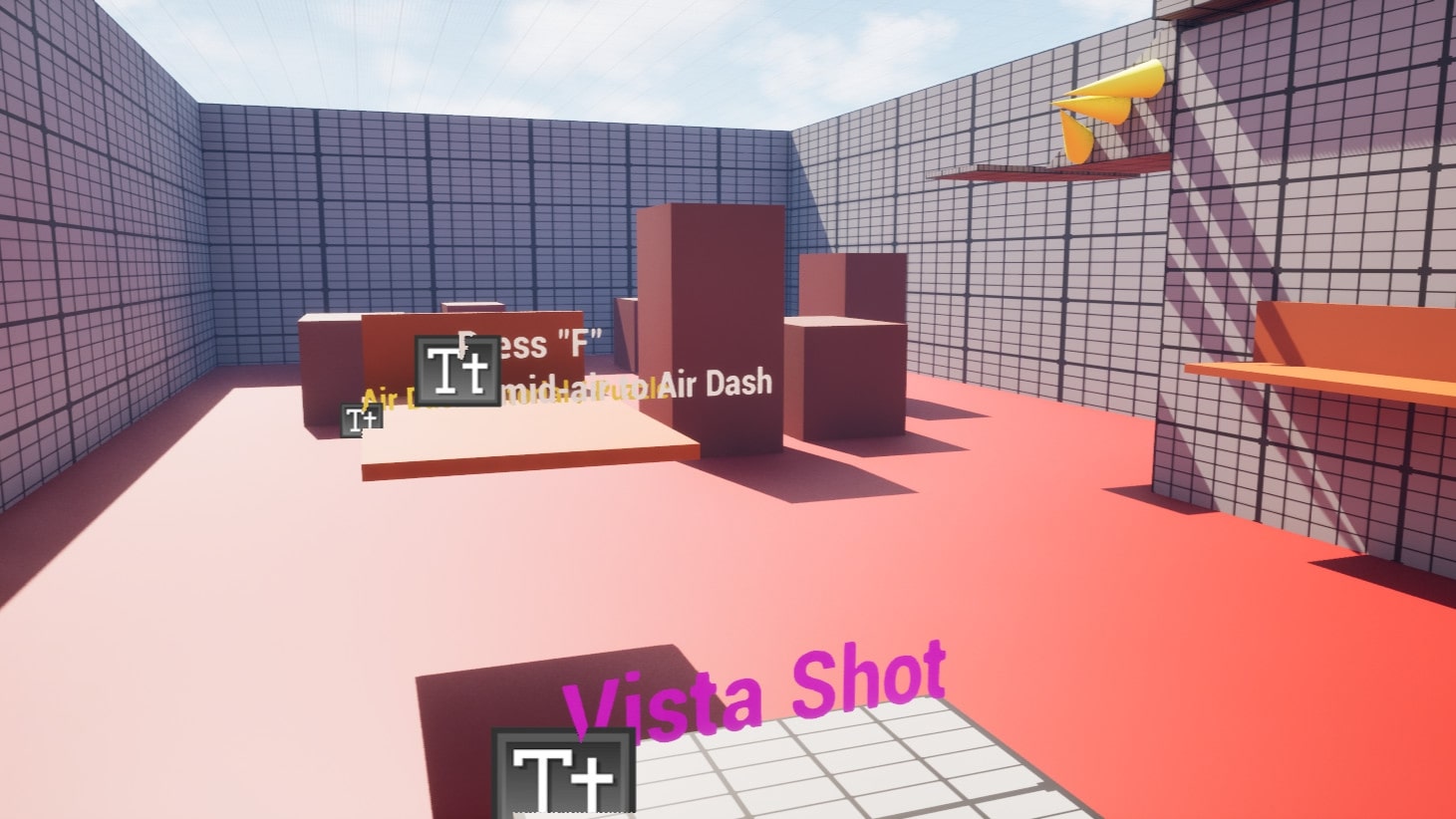
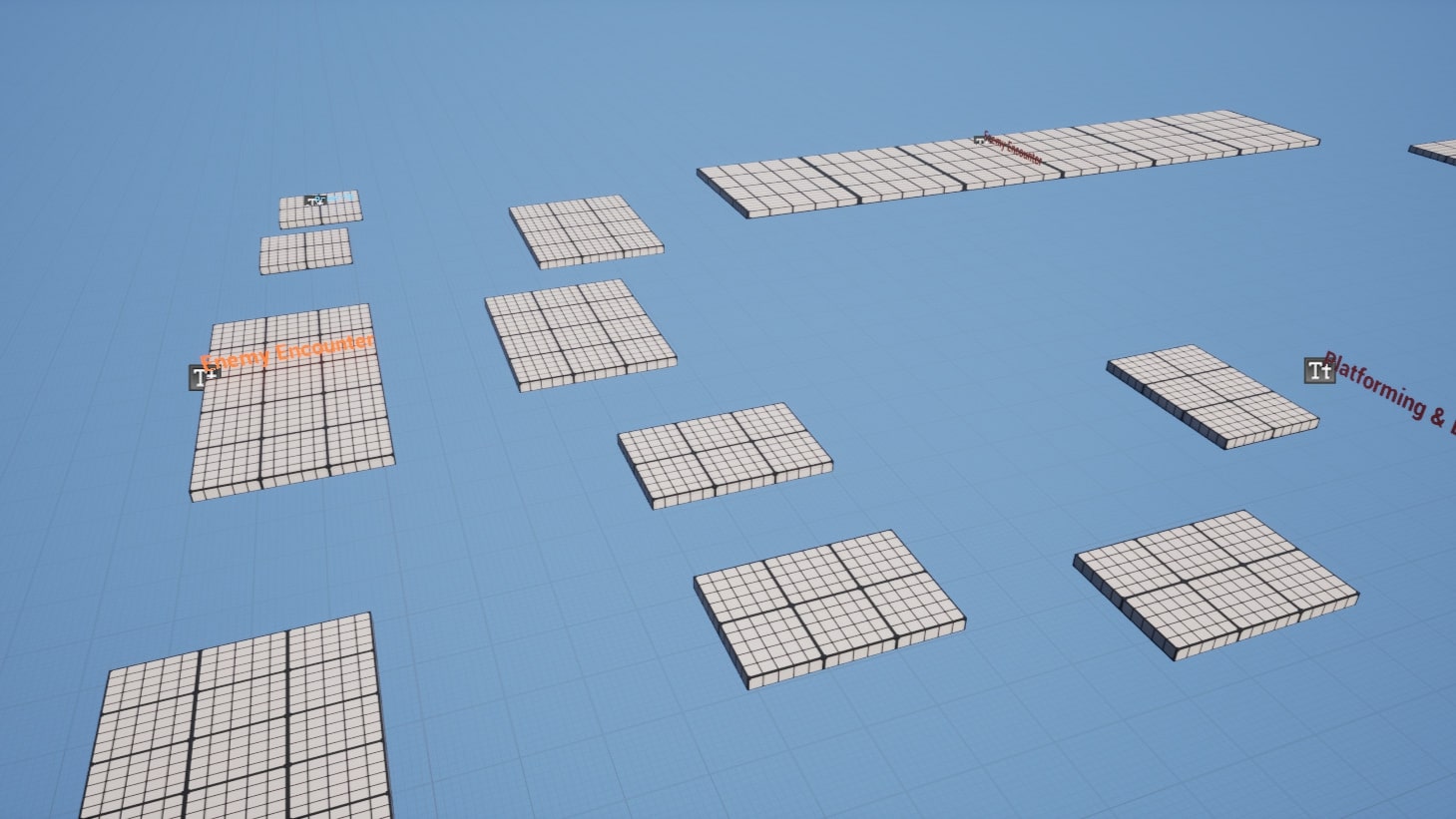
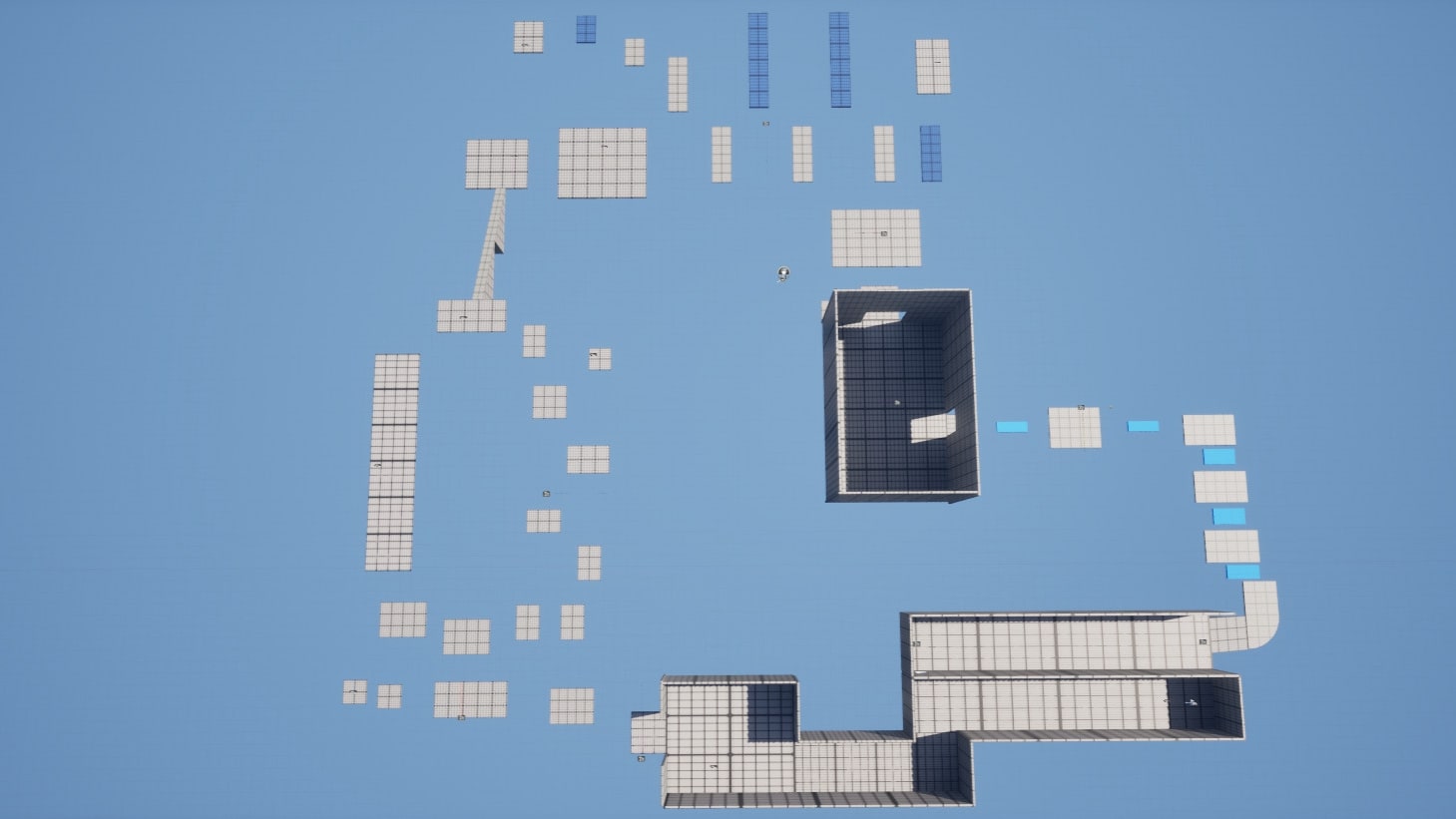
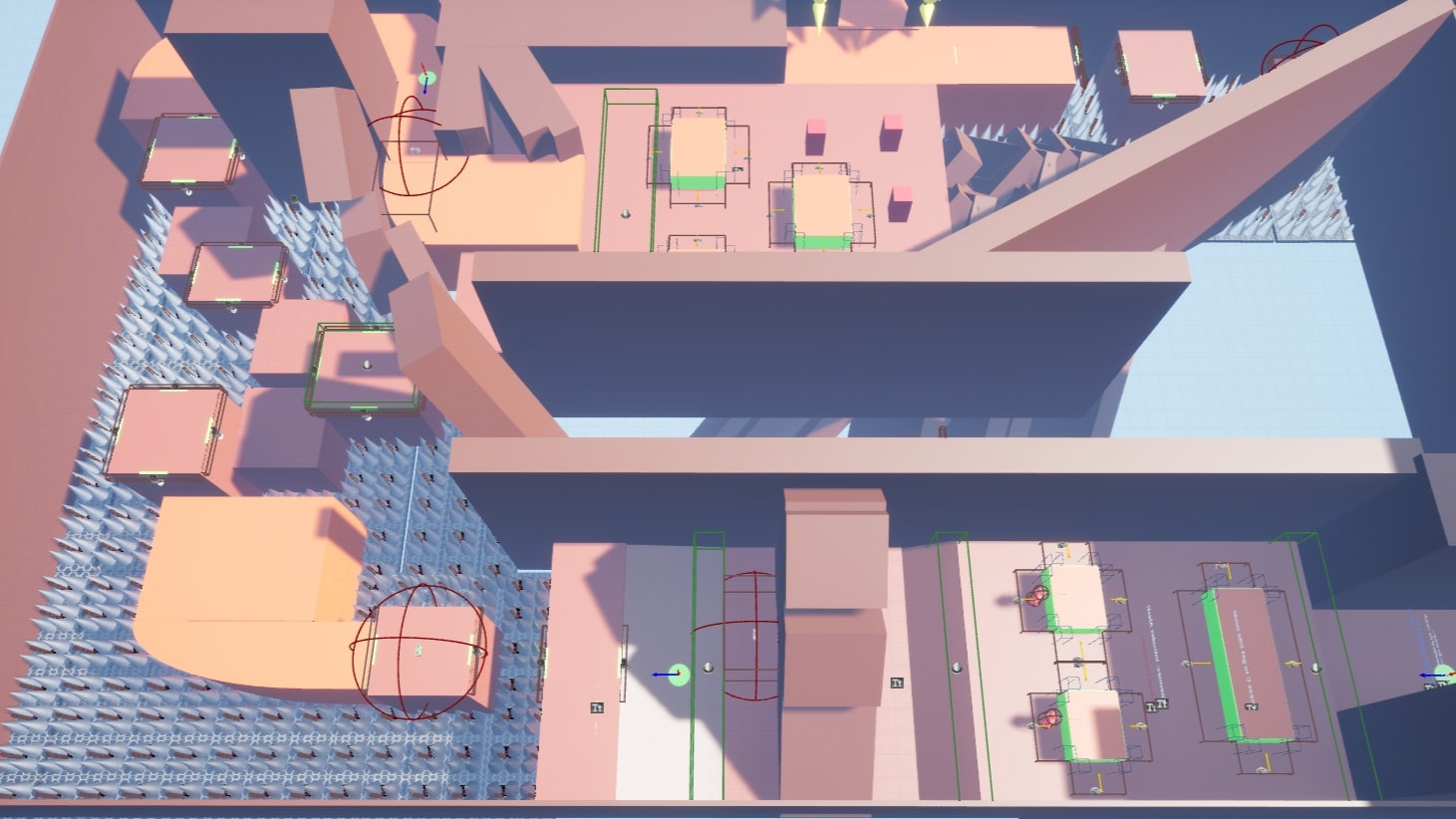
    3. Blockout 1 - Prototyped Rough Layout From Level Design Document & 2D Map

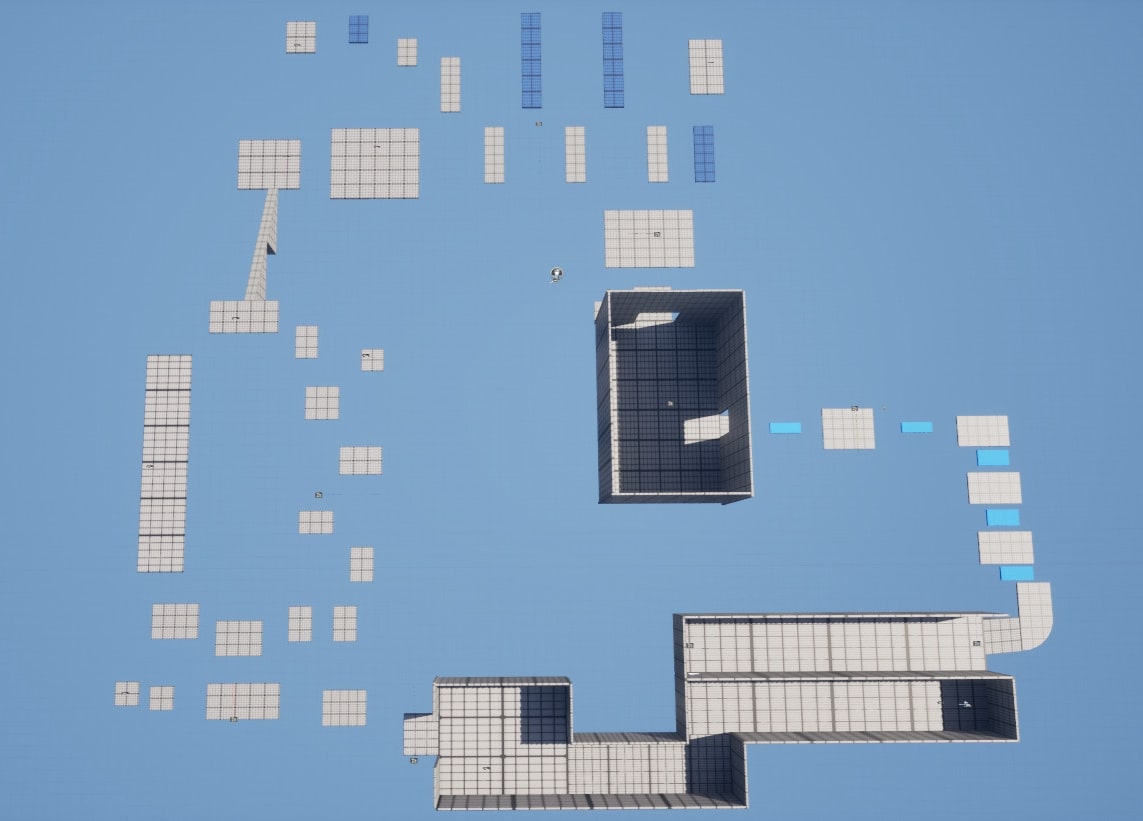
    Results: Got a feel for the sizing of the platforms and where things would be placed in the level. Reconfigured some of the layout from what my original 2D drawing had in order to improve the flow of the level

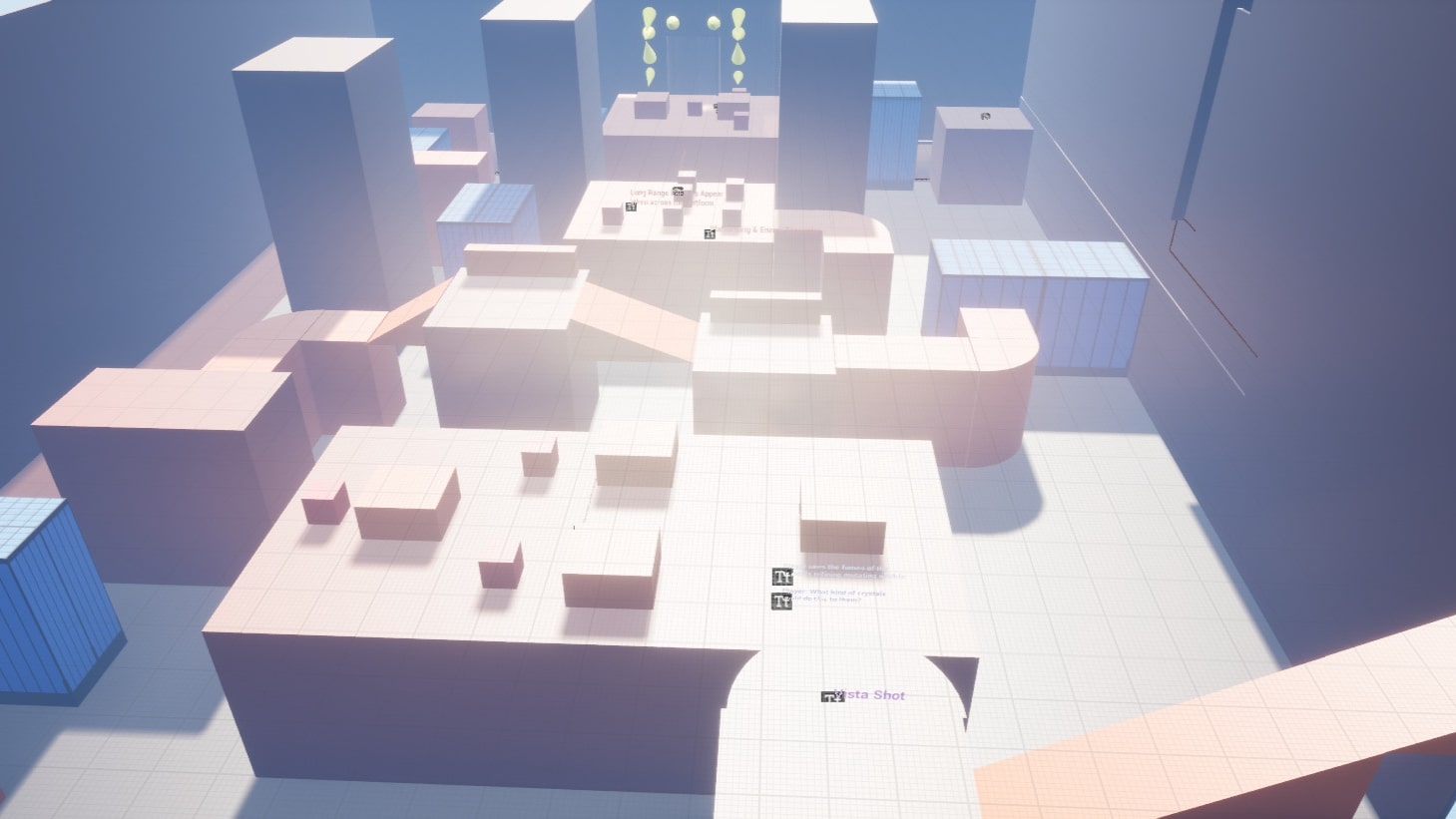
    Goal: Wanted to have a clear idea of the spatial identity of the level, so I could visualize the flow of what the finished environment might look like

    Implementation/execution:

    • Built the first 3d layout to get an idea for the sizing of the level and how it flowed
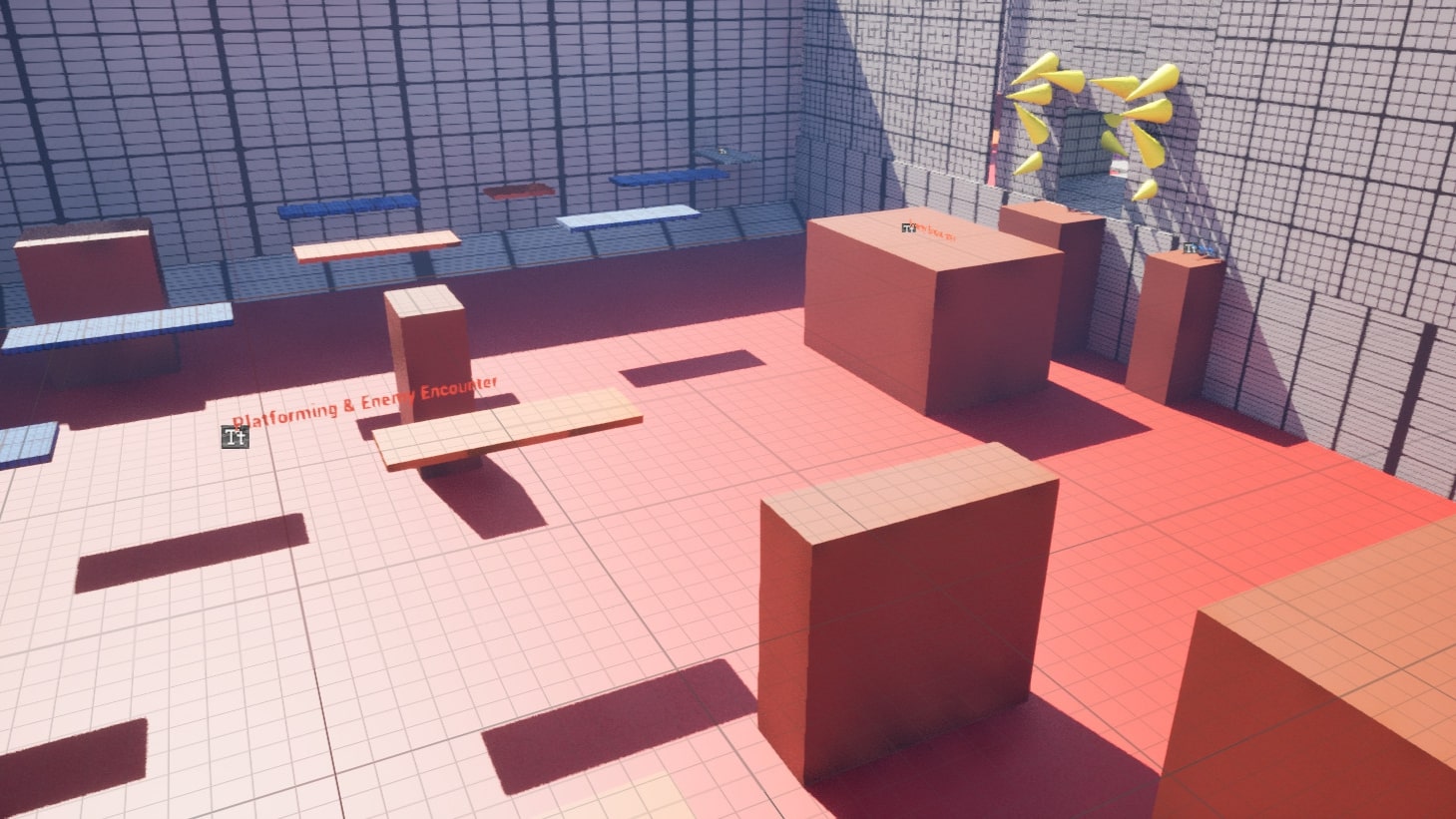
    • Planned out the main platforming sections and spacing out platform locations
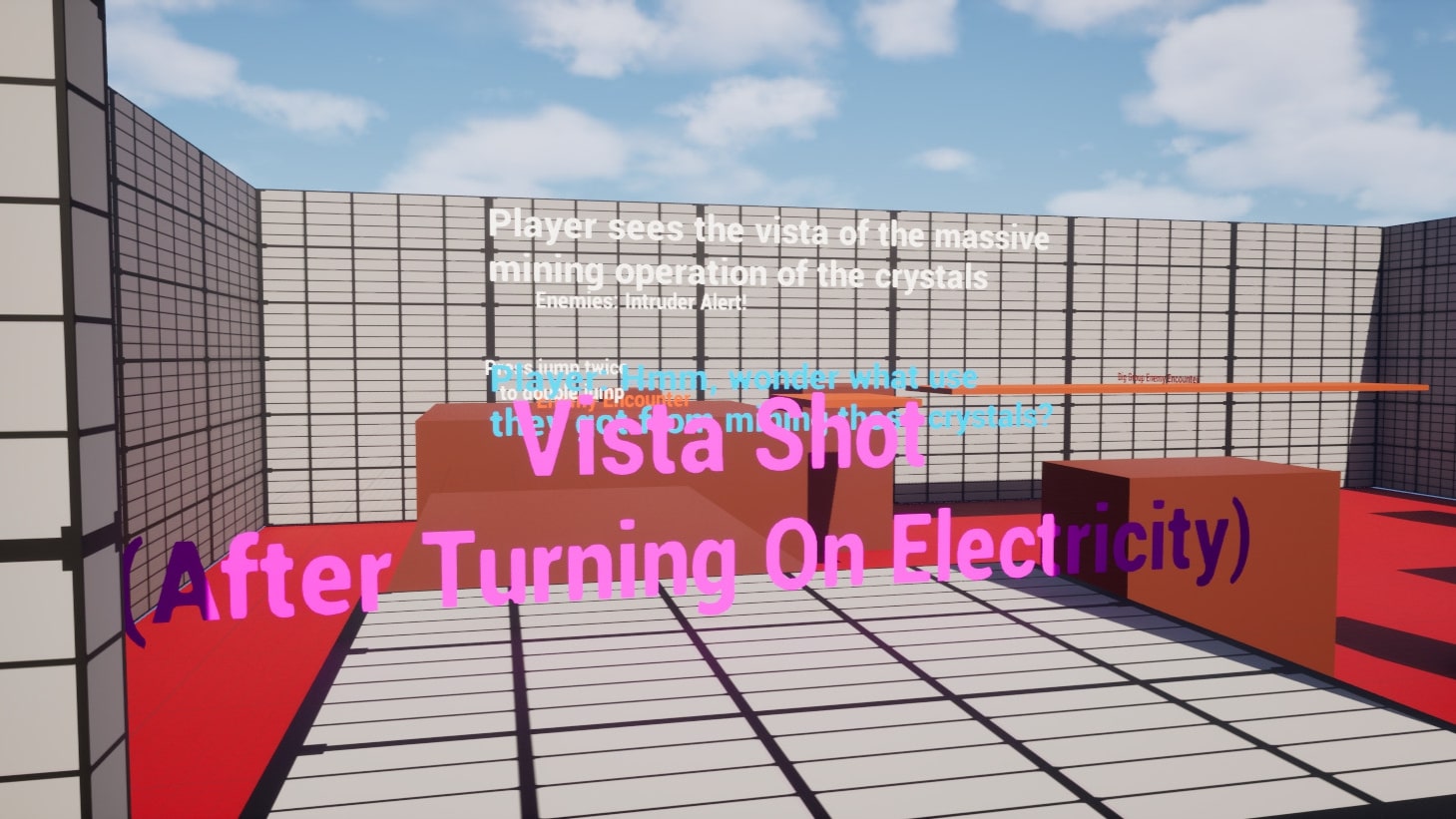
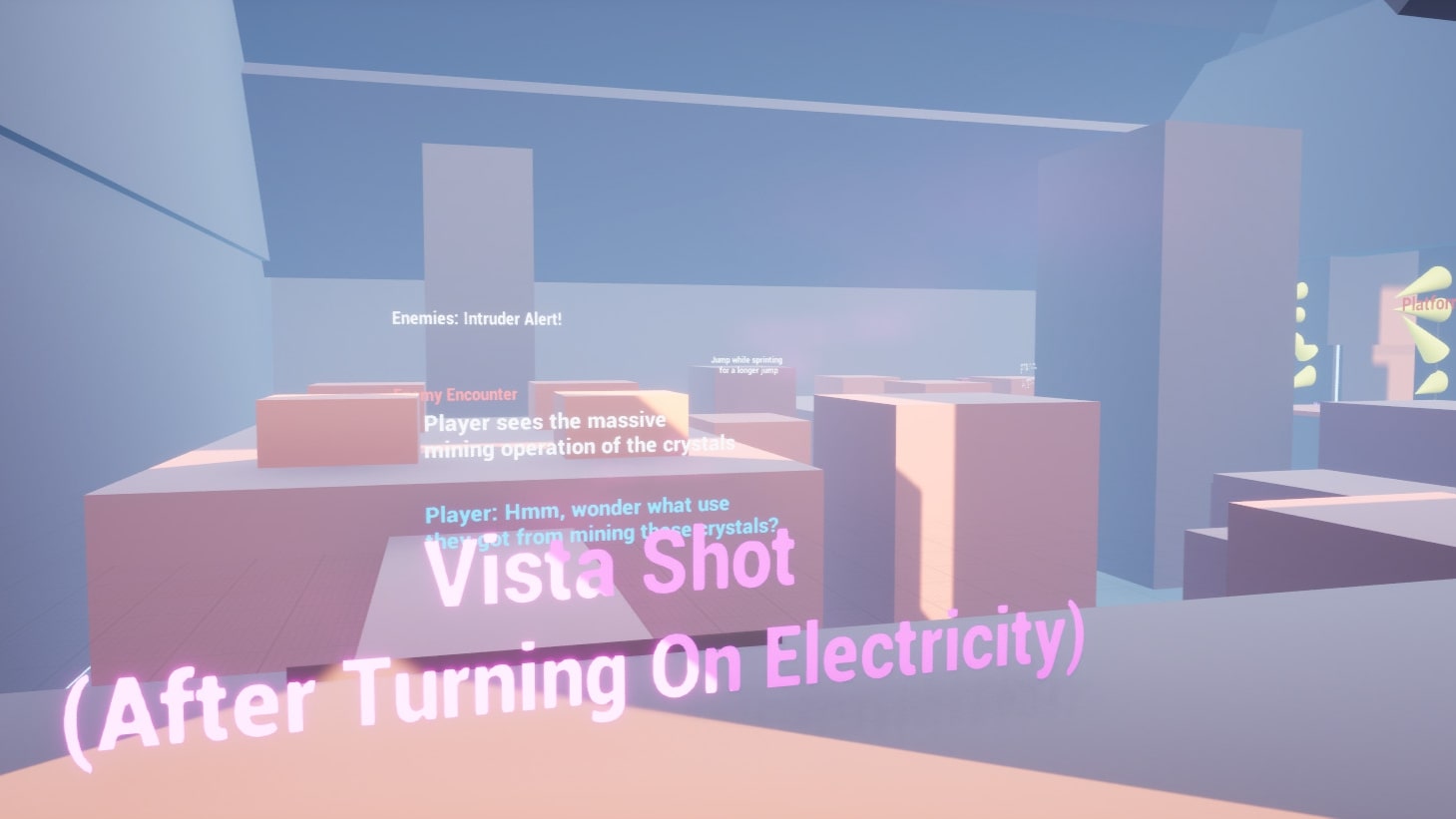
    • Planned out the main vista shots for each area

    4. Playtest & Iteration 1 - Expanded level spacing & guiding affordances

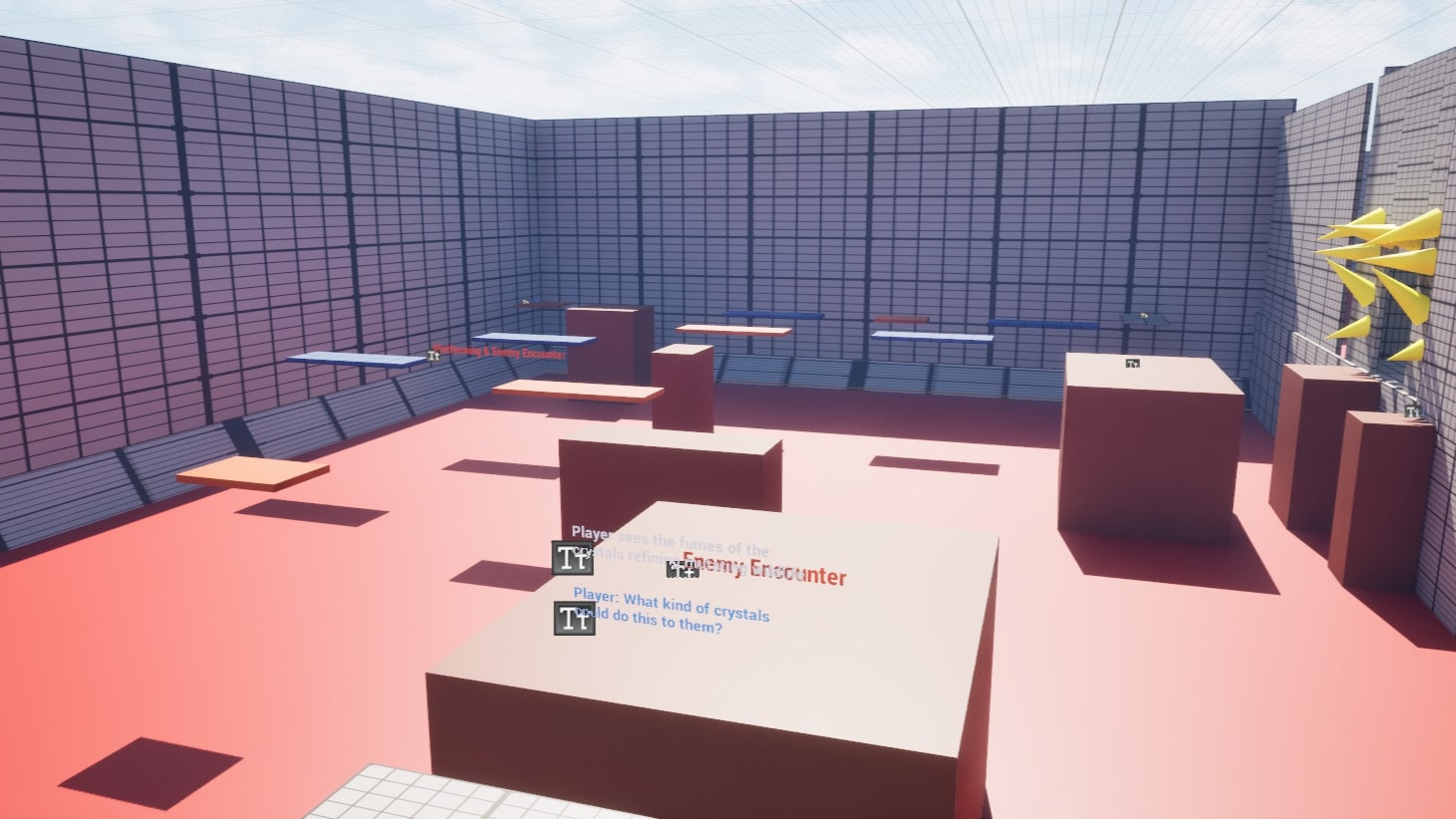
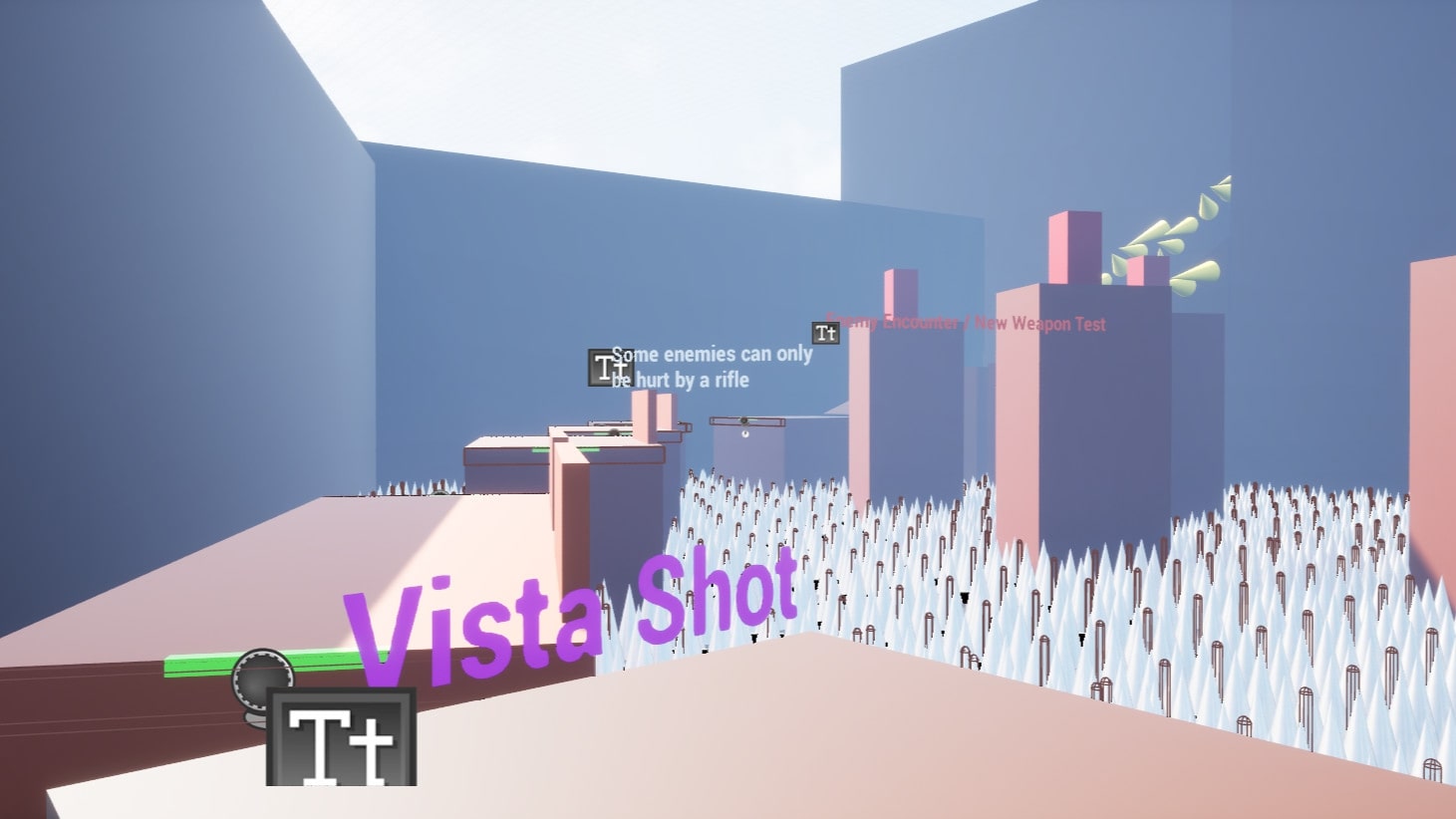
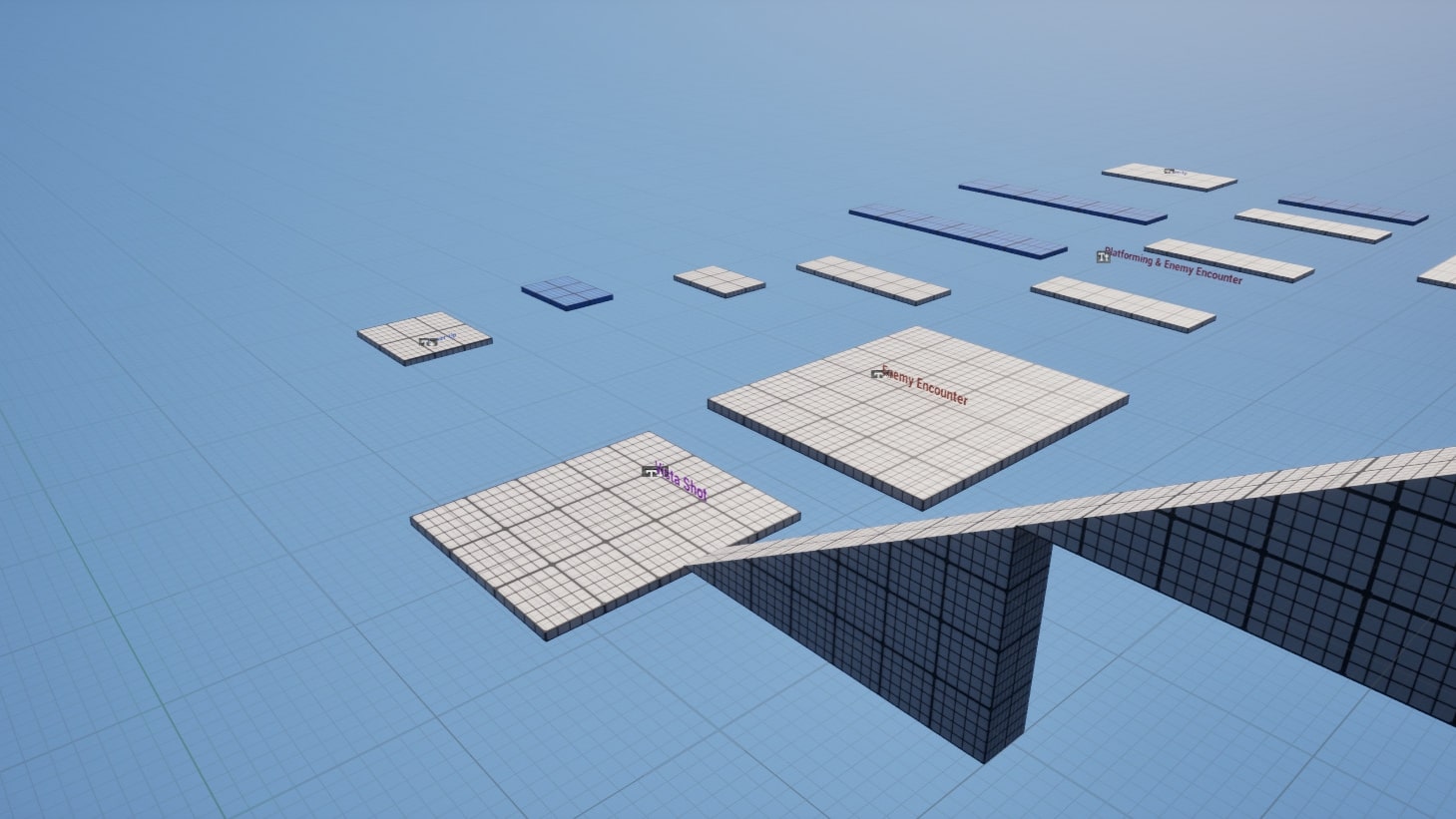
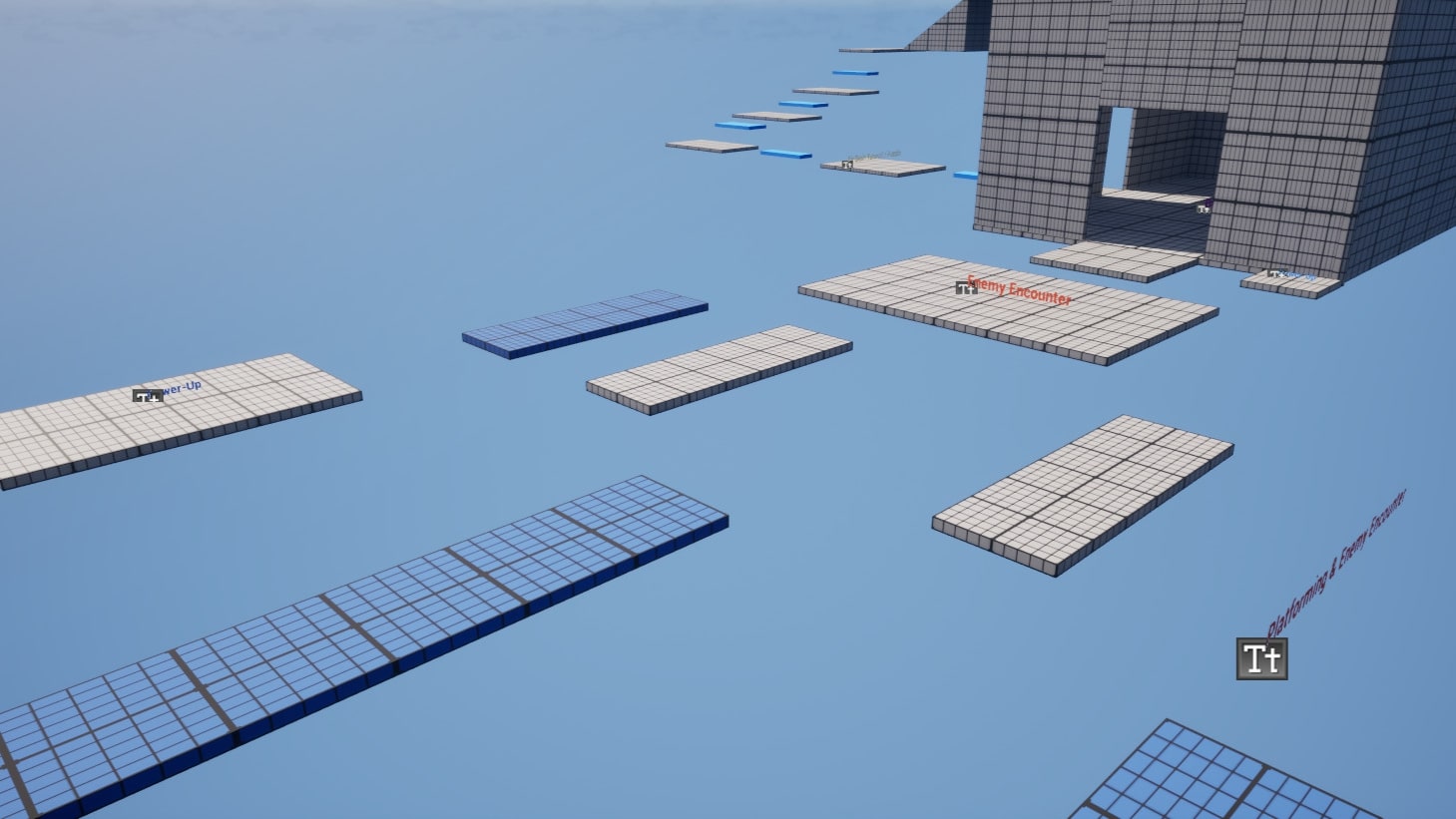
    5. Blockout 2 - Prototyped Narrative & Fleshed Out Level Spacing

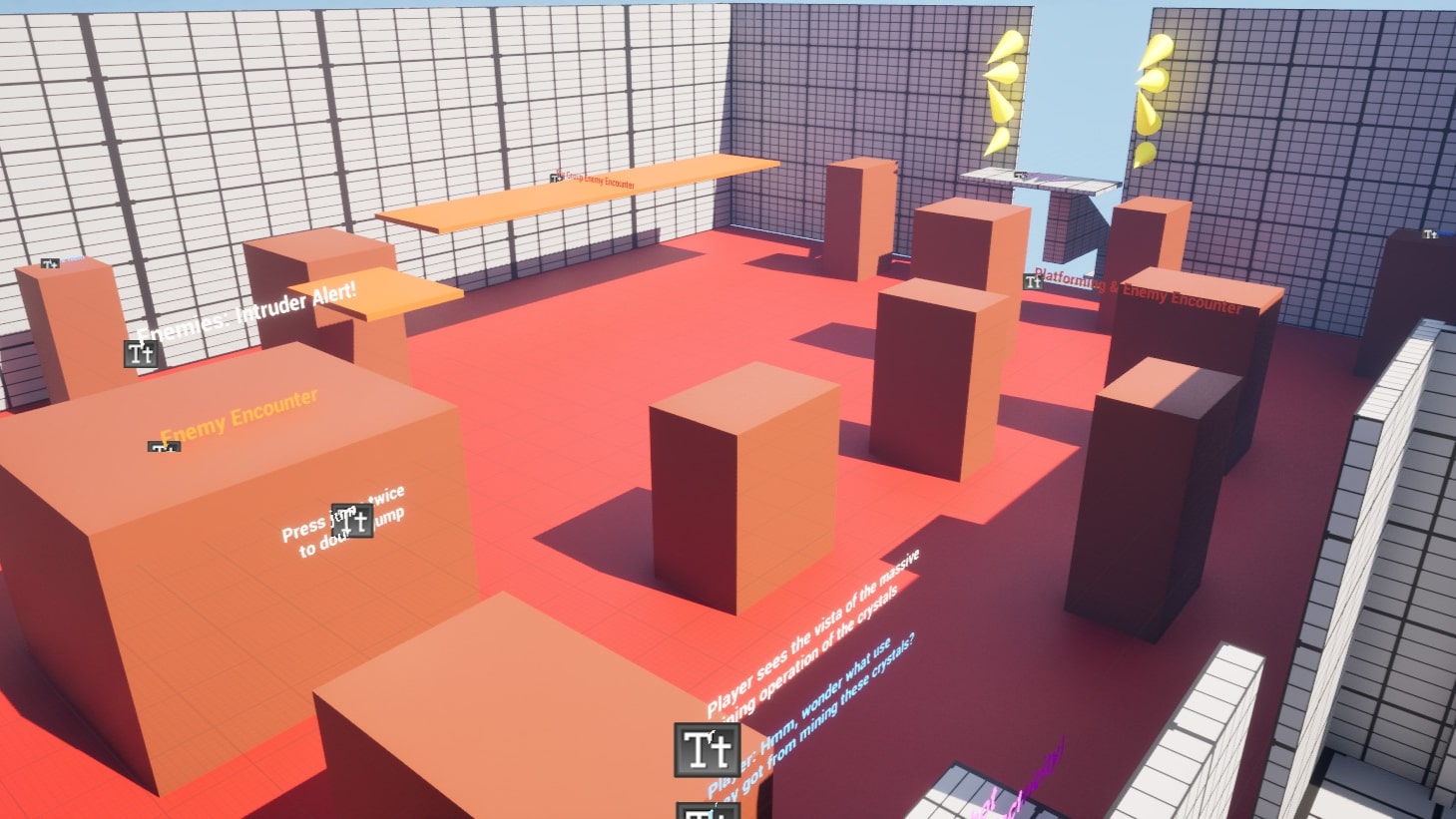
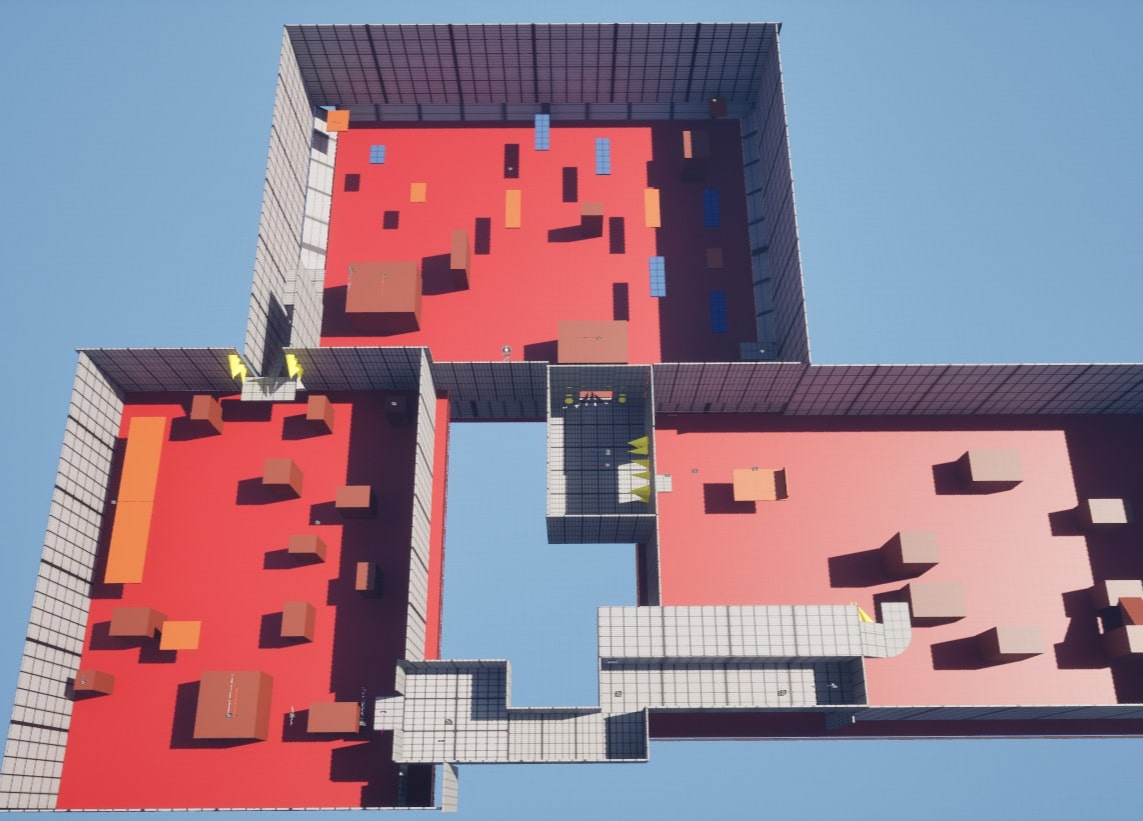
    Results: Added more colors to differentiate objects in level, expanded overall size of the level, added more affordances to the player on where to go, and added narrative elements

    Goal: Wanted to address concerns from playtests where players still were unsure of what the level’s identity/scale was like and where they would need to go to next in the level

    Implementation/execution:

    • Added in narrative placeholders for narrative beats of the level
    • Addressed feedback and added in affordances to the level to guide the player on where they should be going
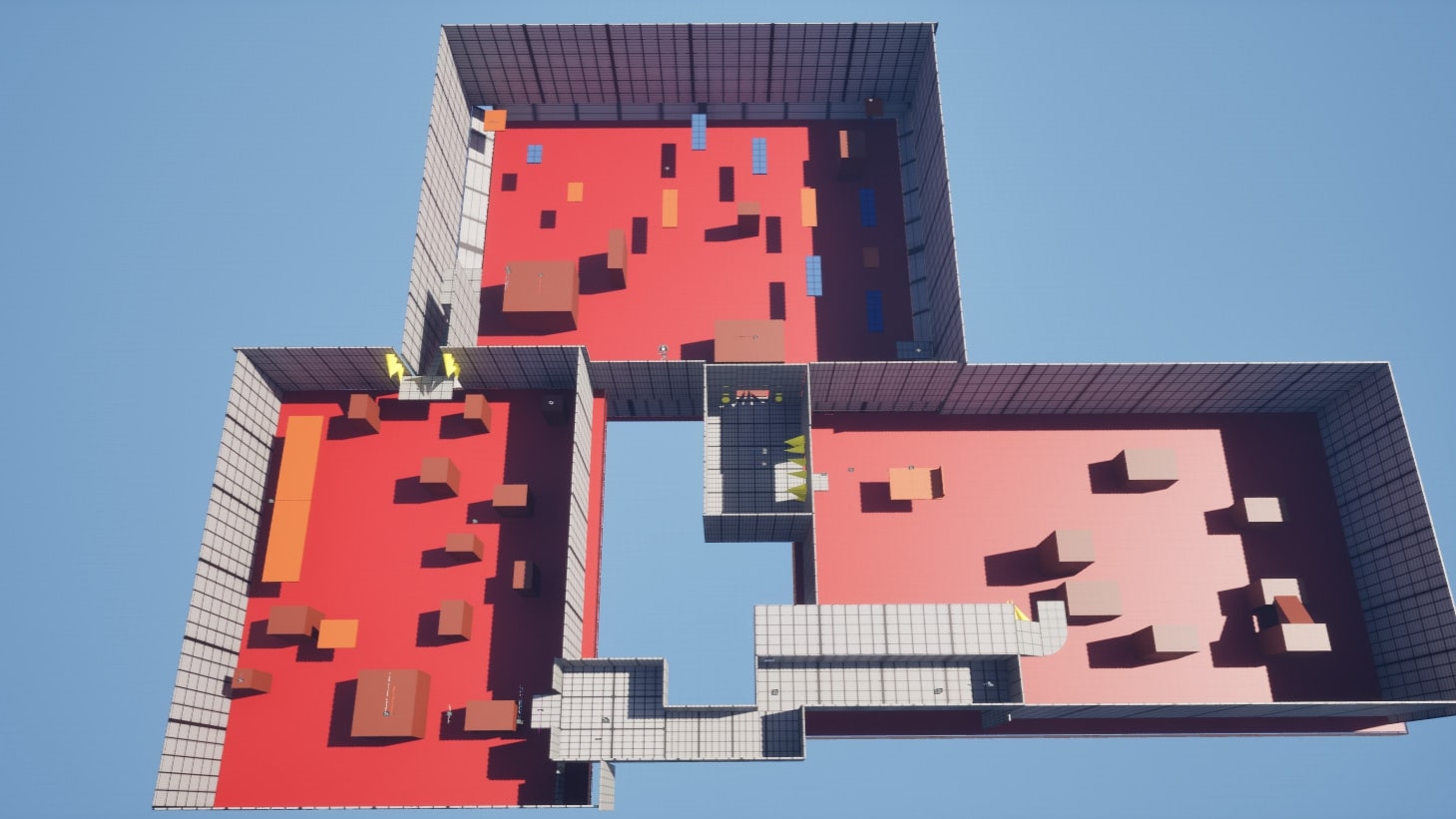
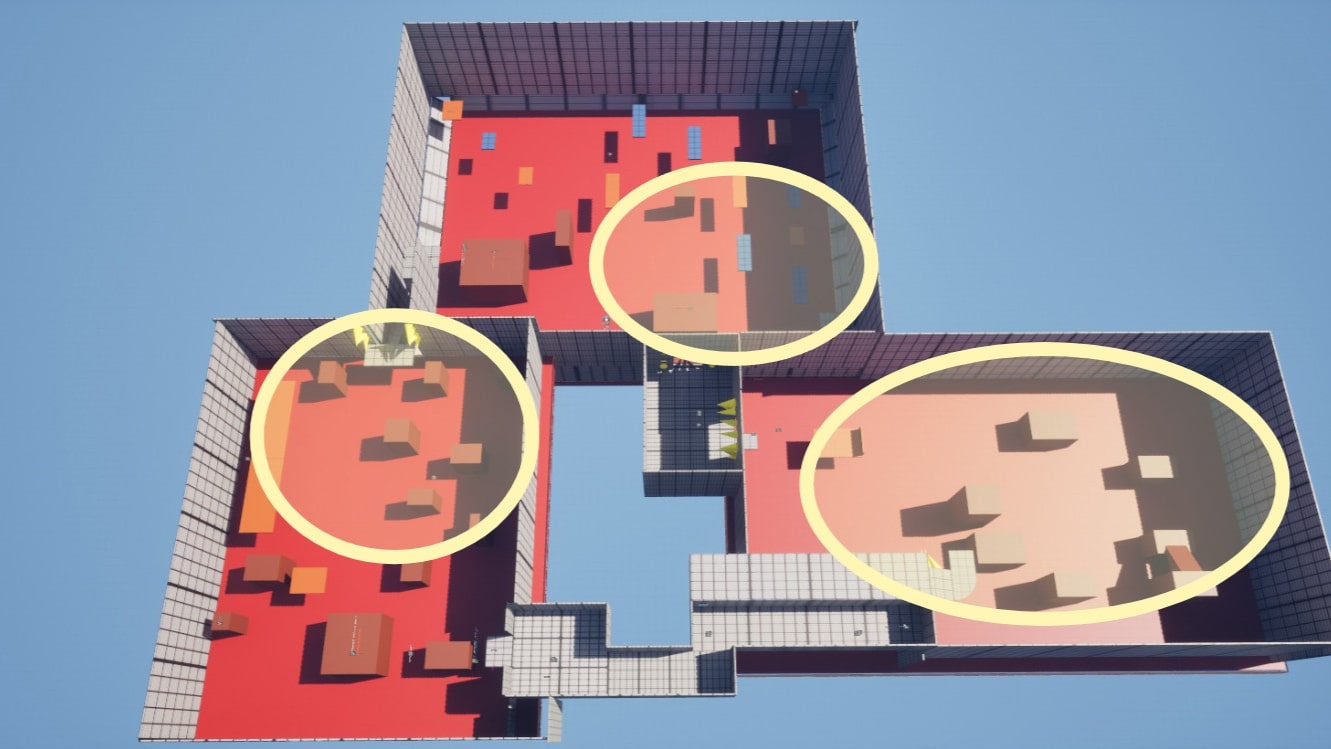
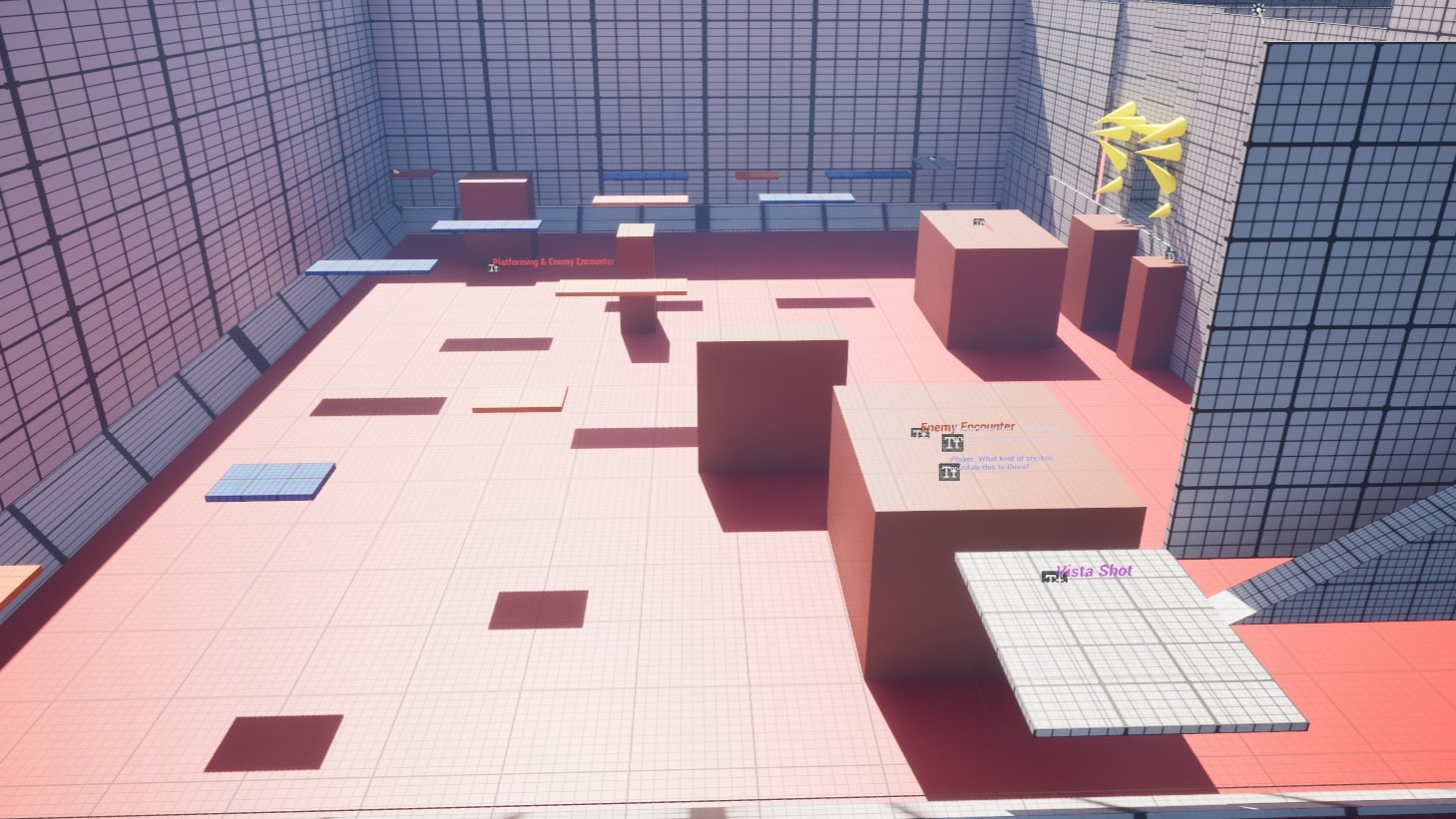
    • Added walls and floors to give a better sense of the scale of the level and it’s mine/cavern theme

    6. Playtest & Iteration 2 - Refined level identity & added environment variety

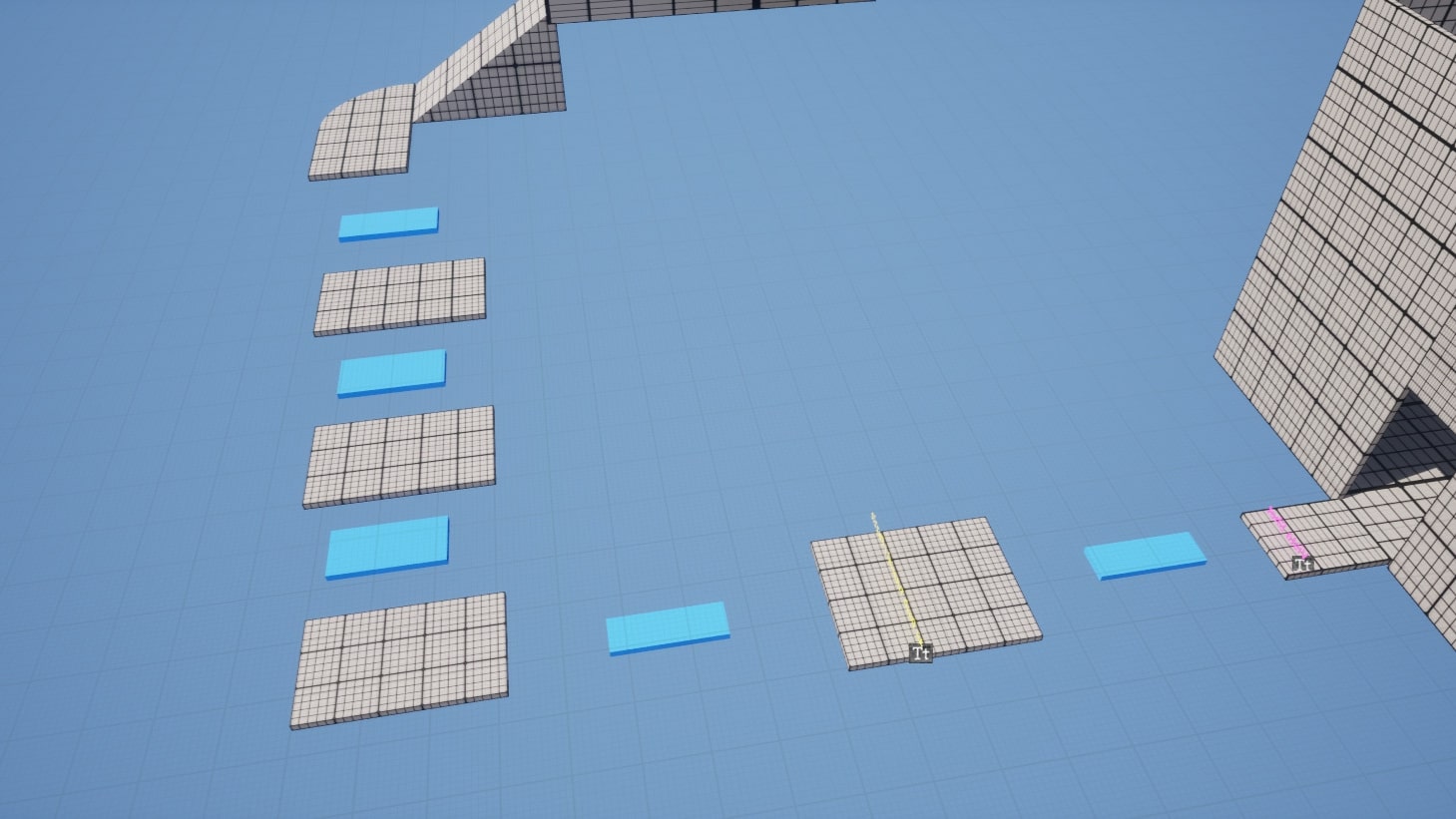
    7. Blockout 3 - Prototyping Encounter Spaces

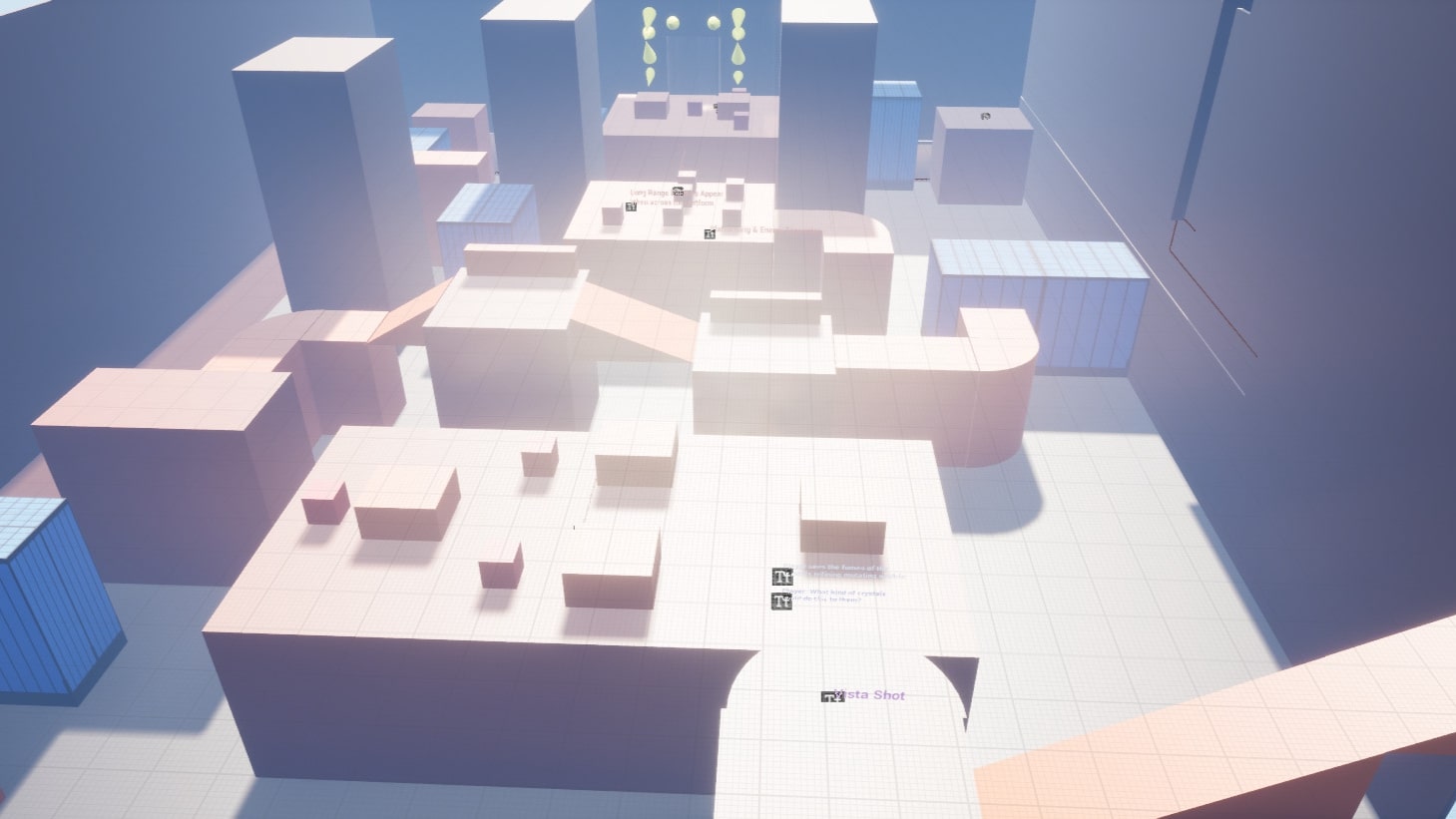
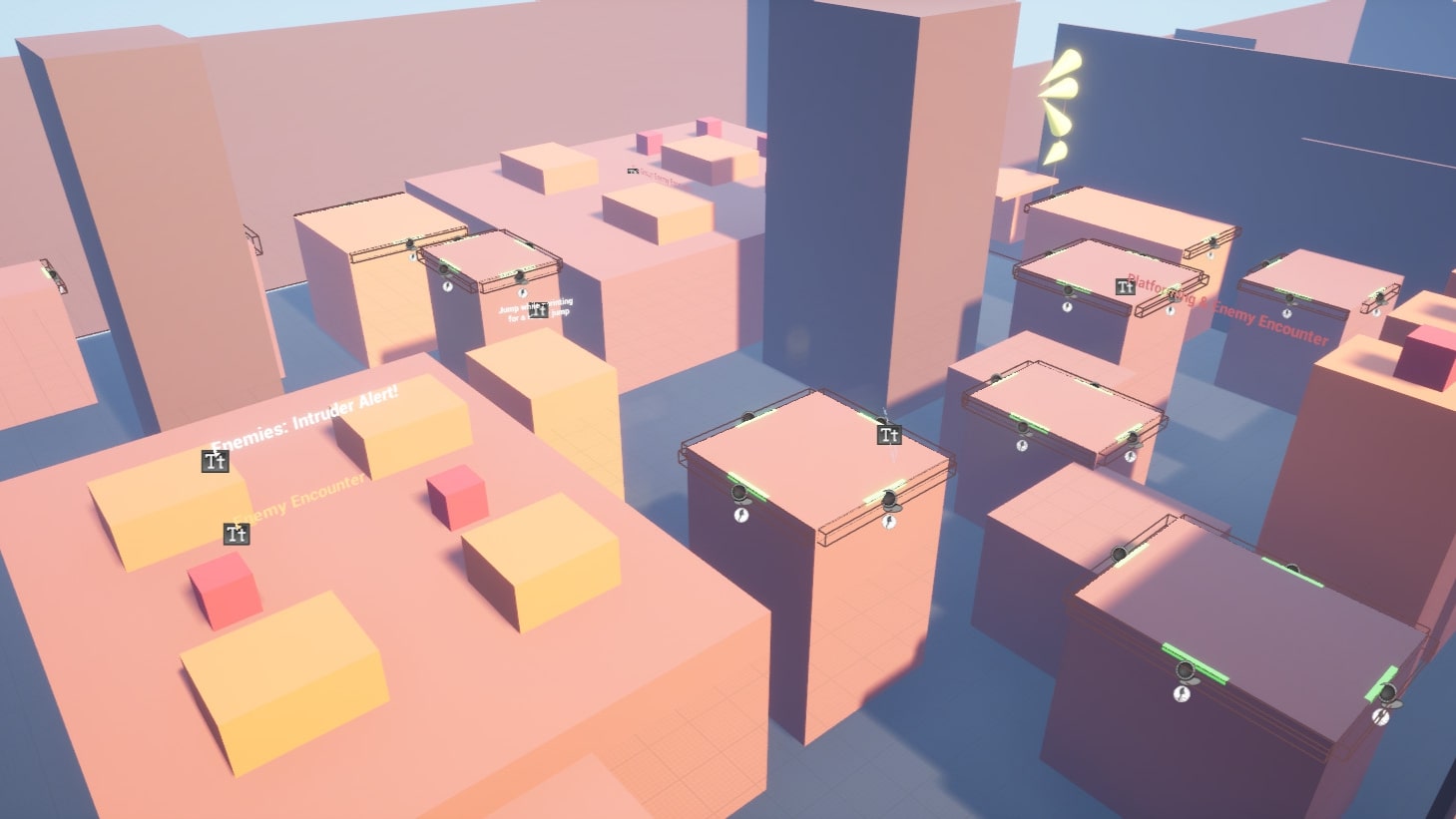
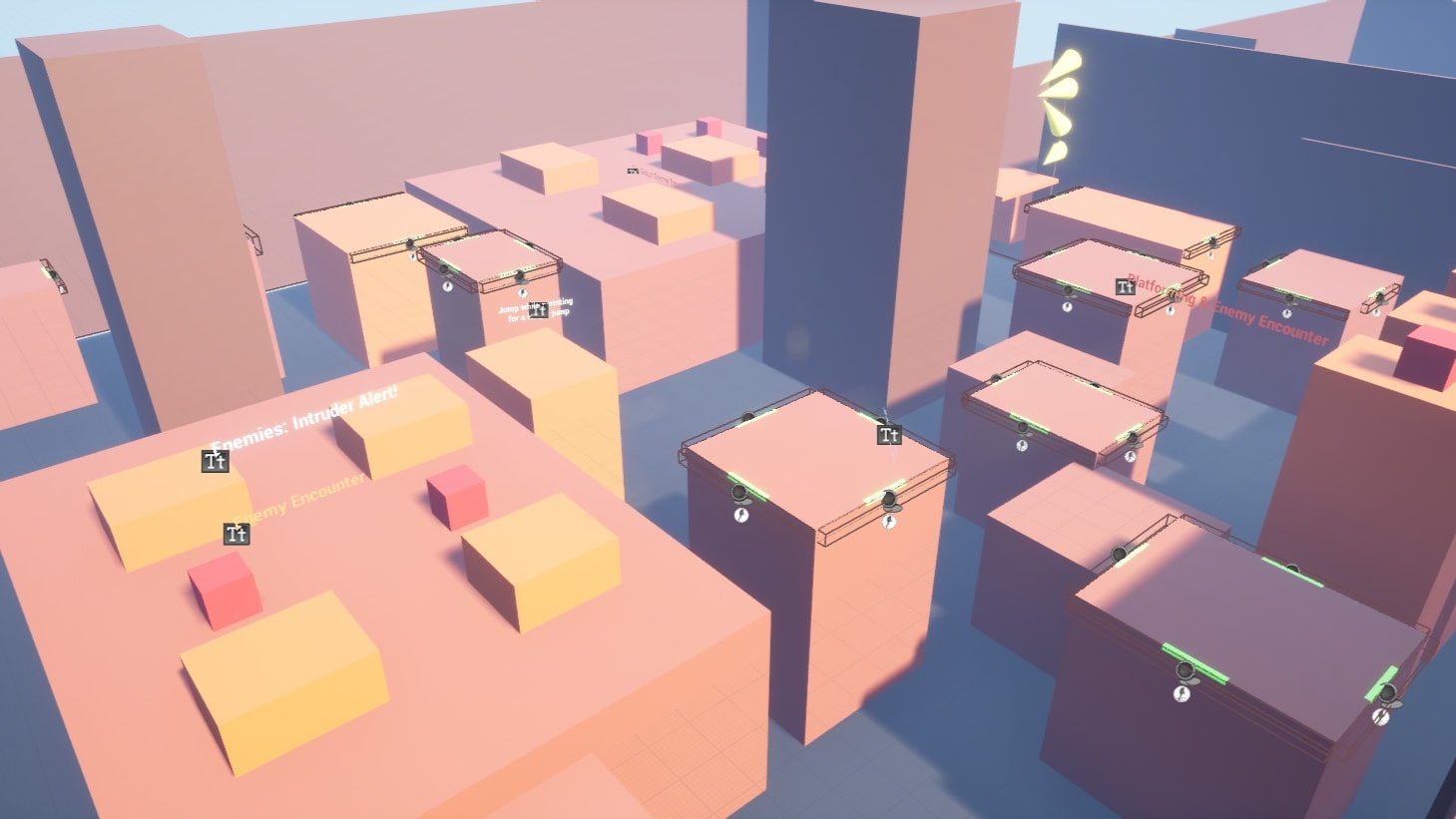
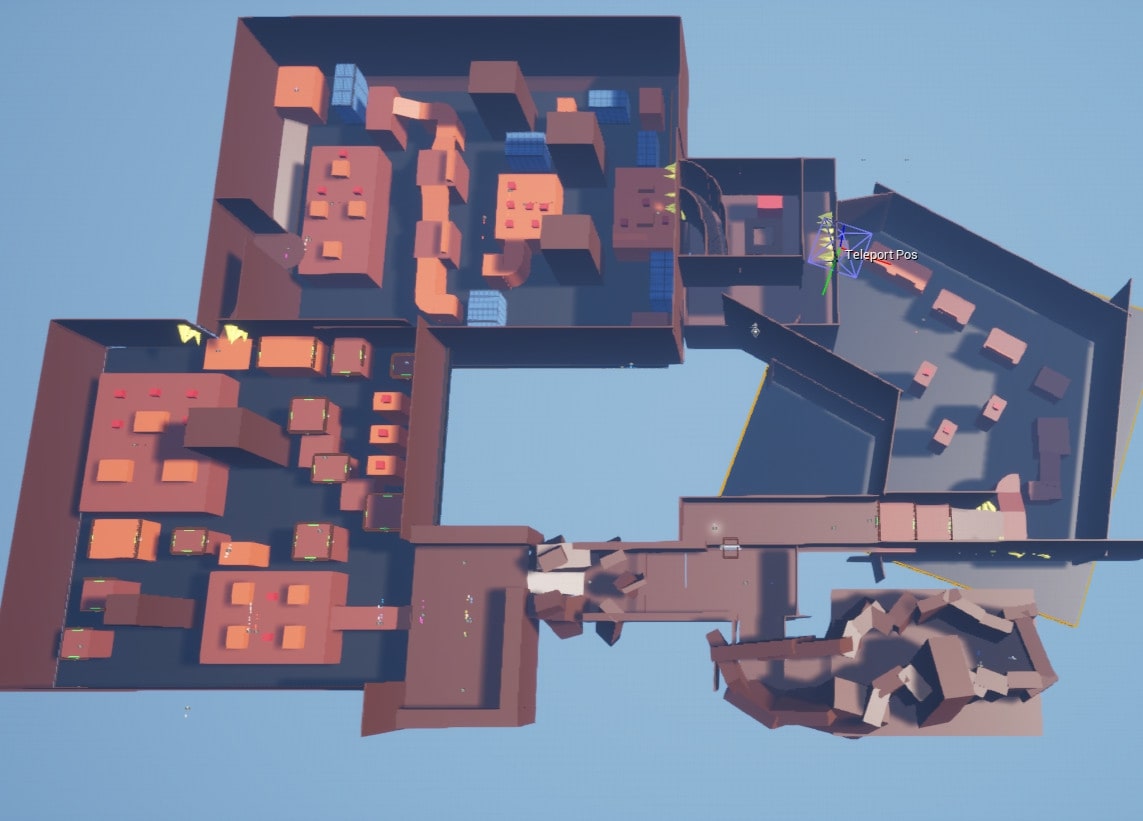
    Results: Overhauled the level layout to better convey goal locations, added more variety to level platforming/layout, increased combat area sizes, and added more cave like structures to improve level identity

    Goal: Add more identity to the level, add more variety/forgiveness to the platforming/layout, improve goal affordances and refine combat areas sizes

    Implementation/execution:

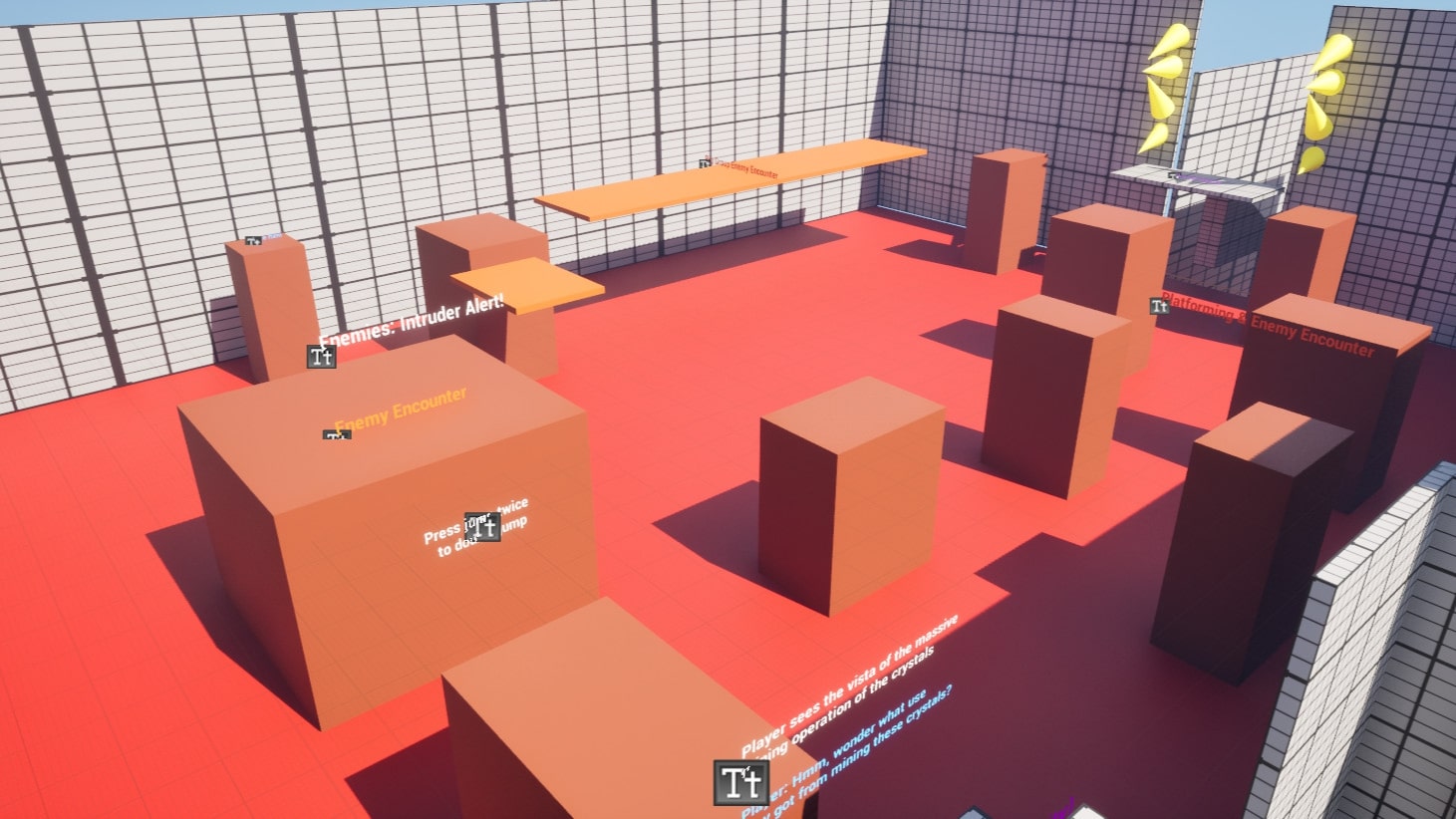
    • Added in placeholder enemies and increased sizes of all combat areas from playtest feedback
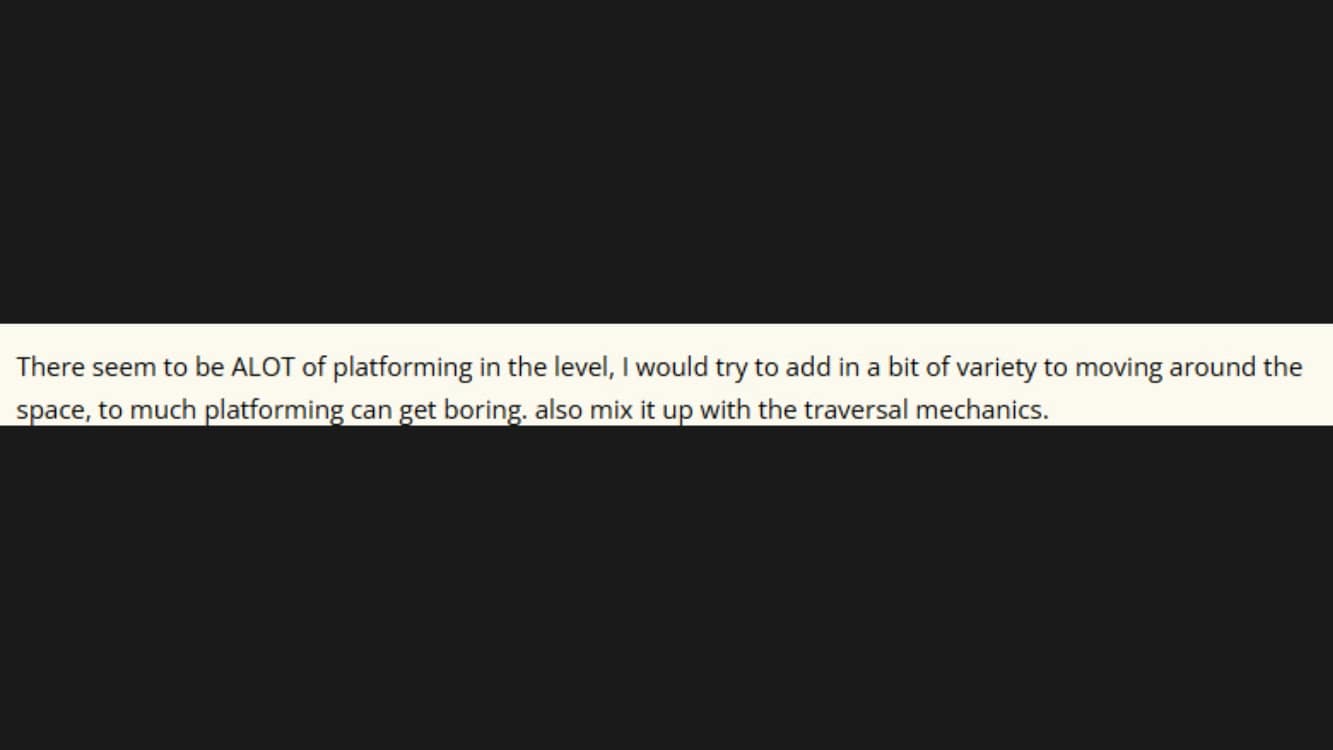
    • Redid the entire second and third areas to add more variety to movement along the level from playtest feedback
    • Changed to a different toolkit (ThirdPersonShooter kit) and updated platforming to better suit new character movement style
    • Updated opening area to have more cave-like features to improve the level’s identity

    8. Playtest & Iteration 3 - Improving level pacing & platforming game balance

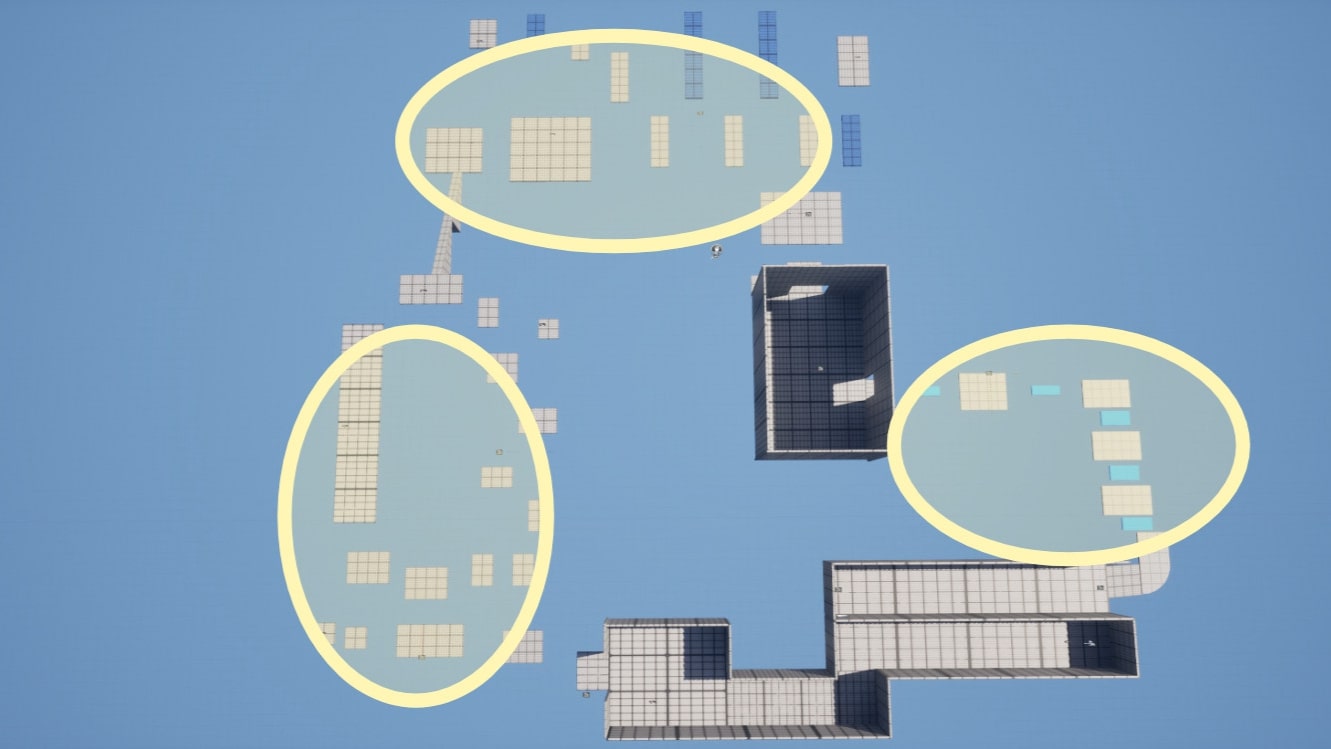
    9. Blockout 4 - Adding Basic Scripting

    Results: Split the opening section into 3 small areas, added checkpoints, increased platform sizes, and further added to level’s cave identity

    Goal: Continue to add more identity to my level, make platforming sections less challenging, improve pacing in beginning section of the level

    Implementation/execution:

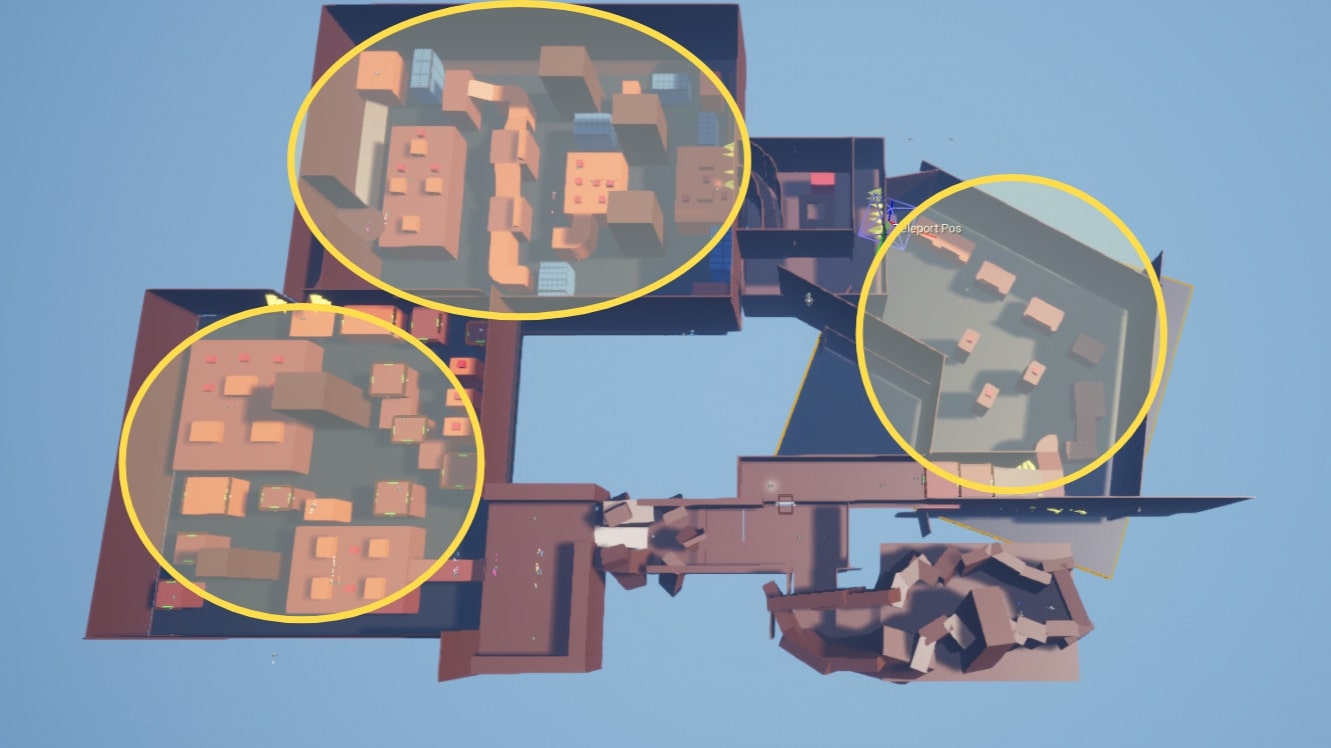
    • Split the first platforming area into 3 smaller sections to improve pacing and due to player feedback about feeling overwhelmed in this area
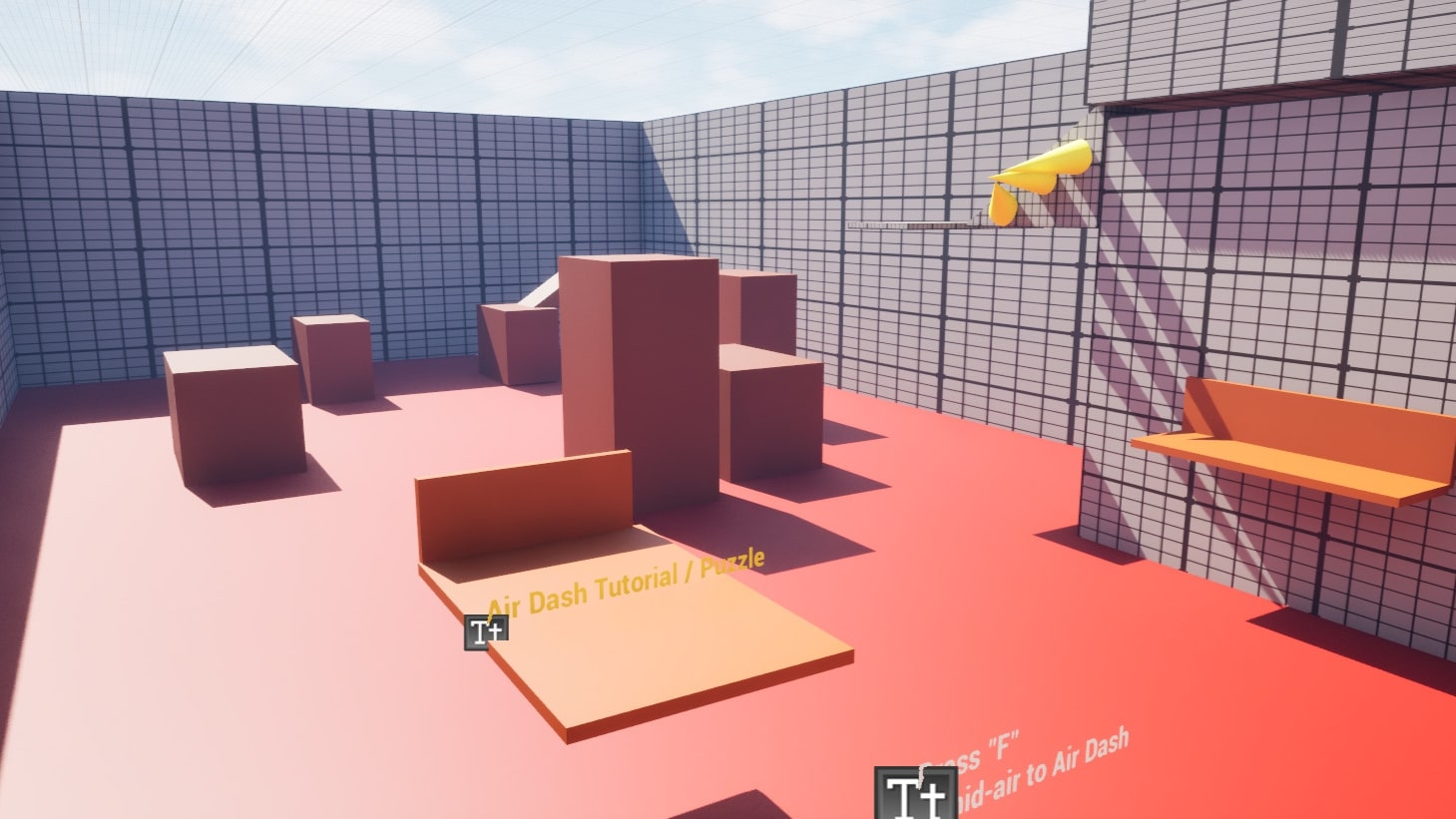
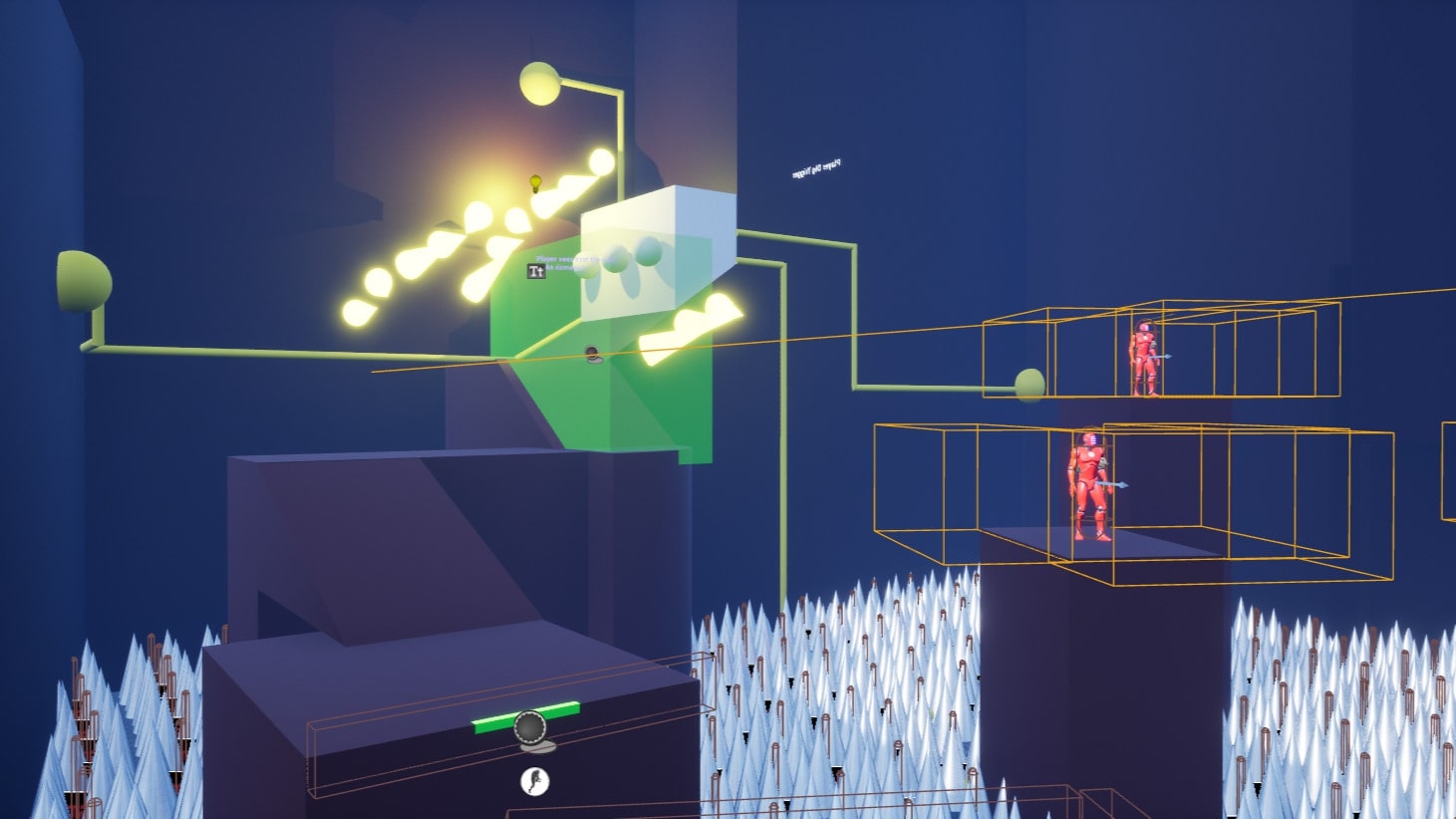
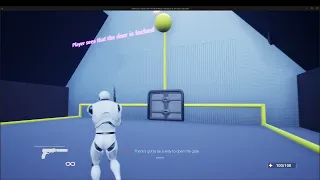
    • Added a puzzle, inspired by Metroid Prime, to the beginning of the level to add gameplay variety
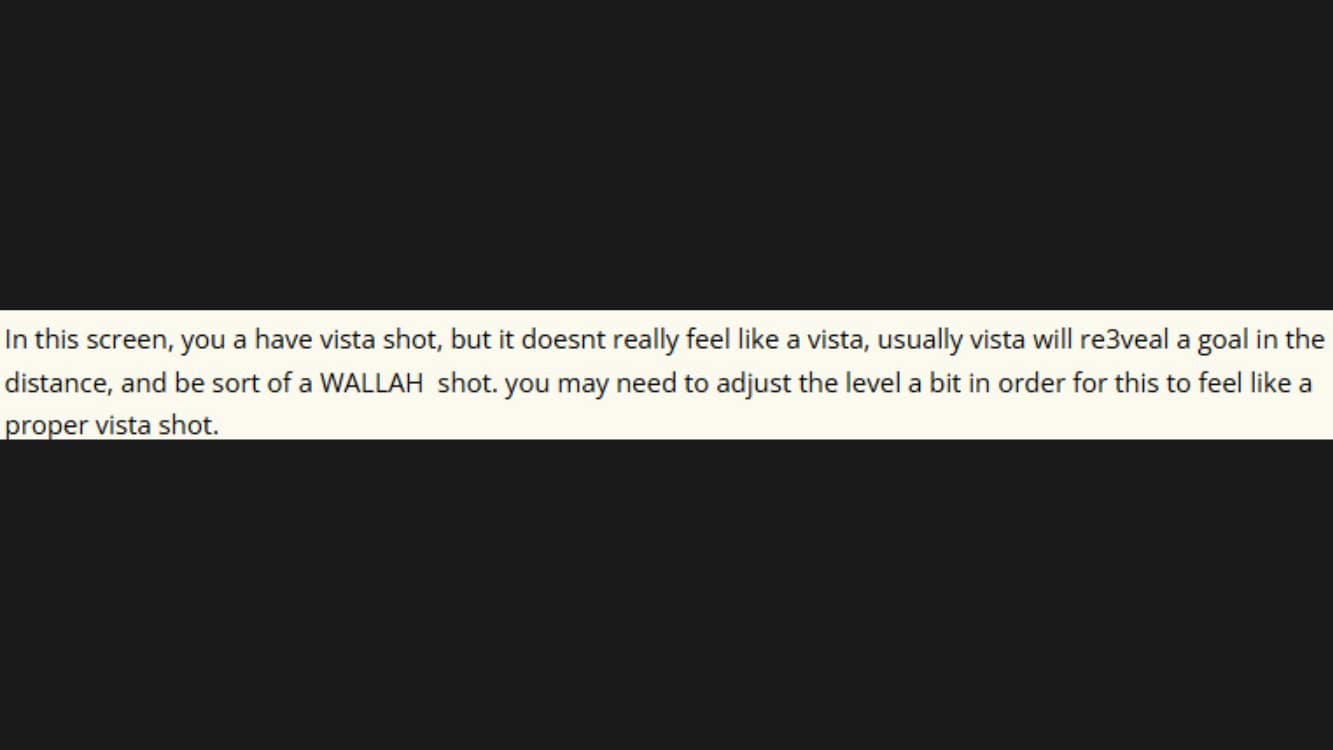
    • Added even more rock-like structures to the level to further improve the level’s identity and sightlines to hint at the player’s goal for reaching the second area
    • Reposition and resized platform areas to better suit player movement abilities and from player feedback

    10. Playtest & Iteration 4 - Improving level identity & combat cover placement

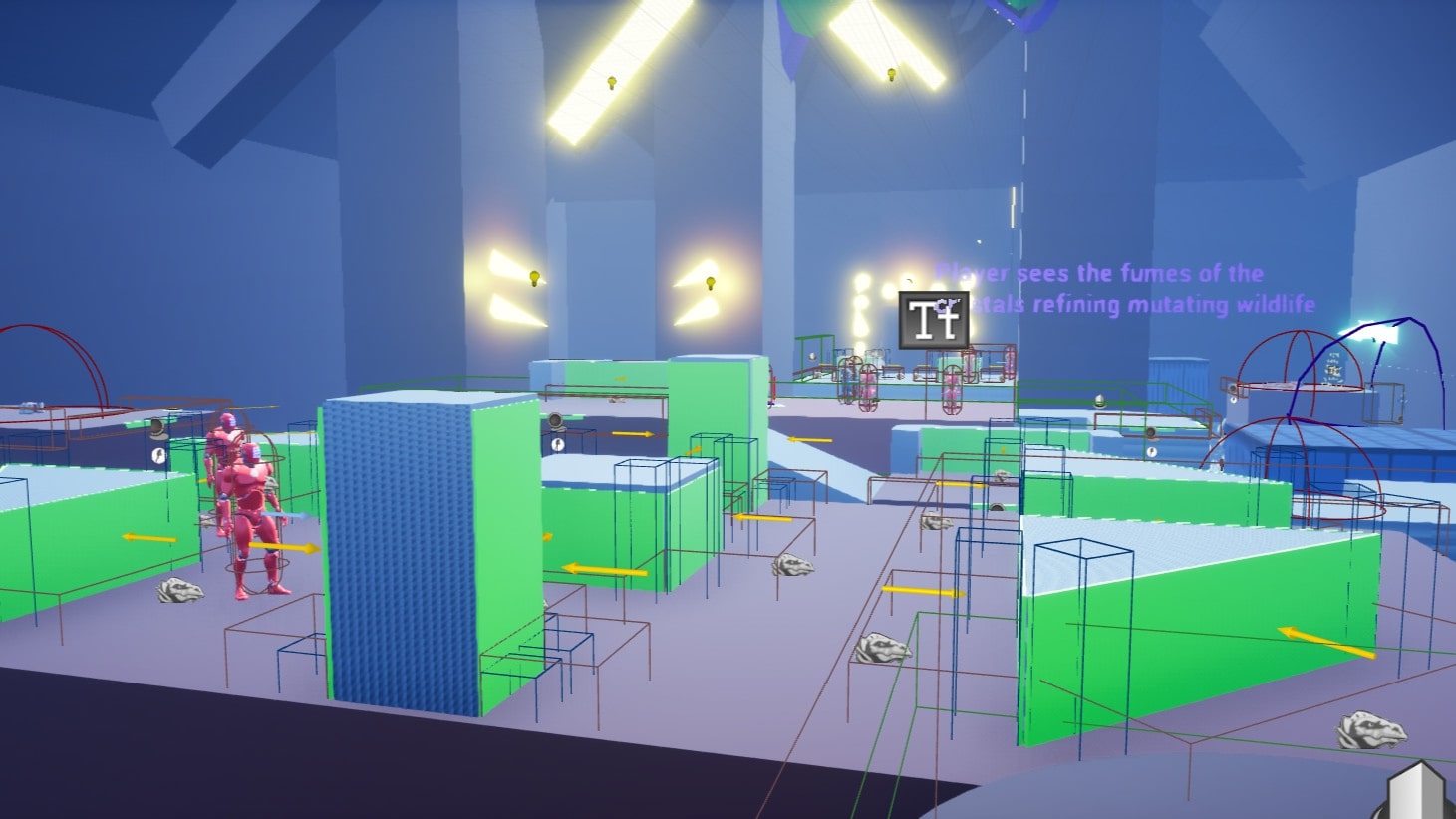
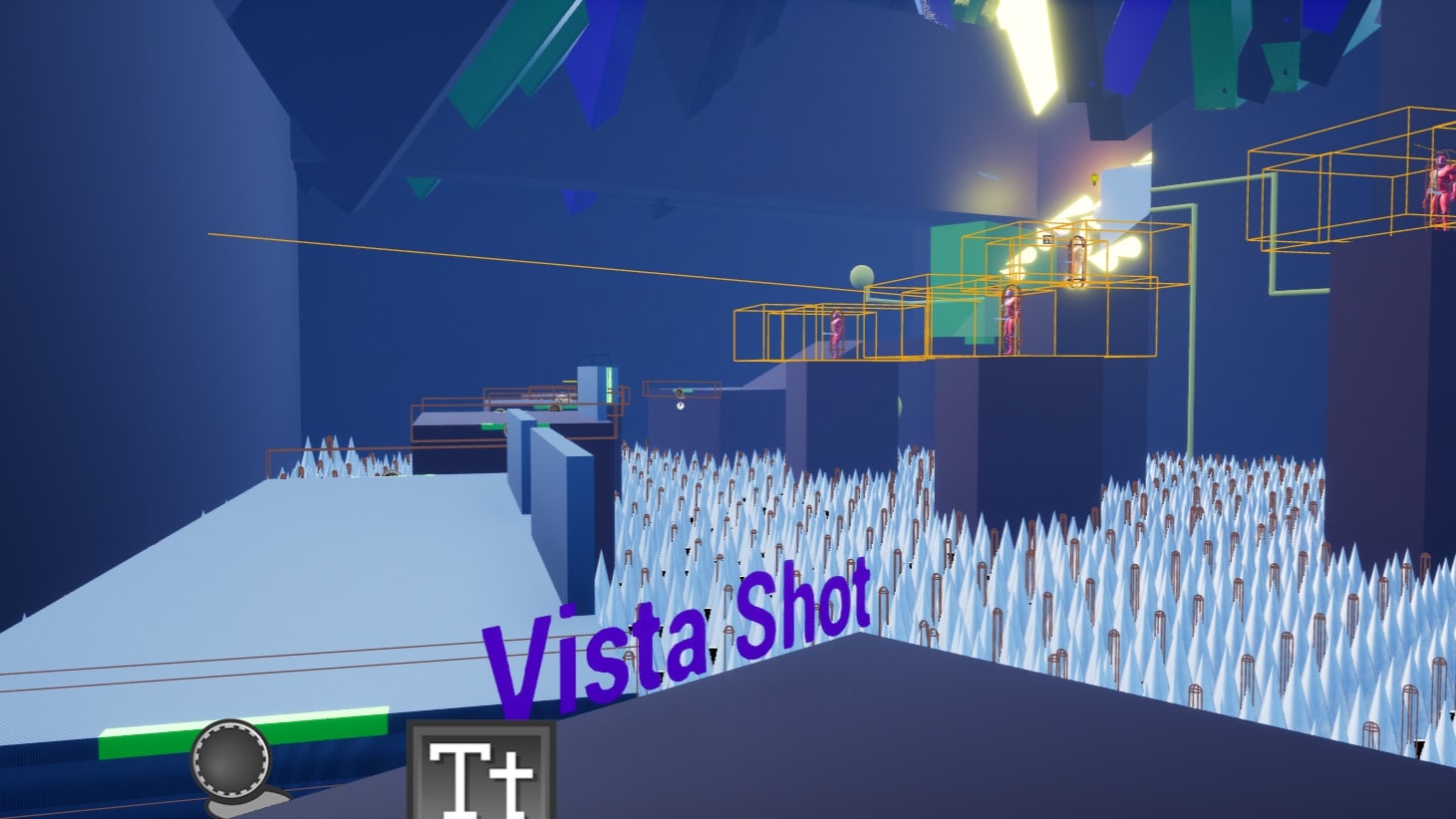
    11. Blockout 5 - Incorporating Lighting & World Building

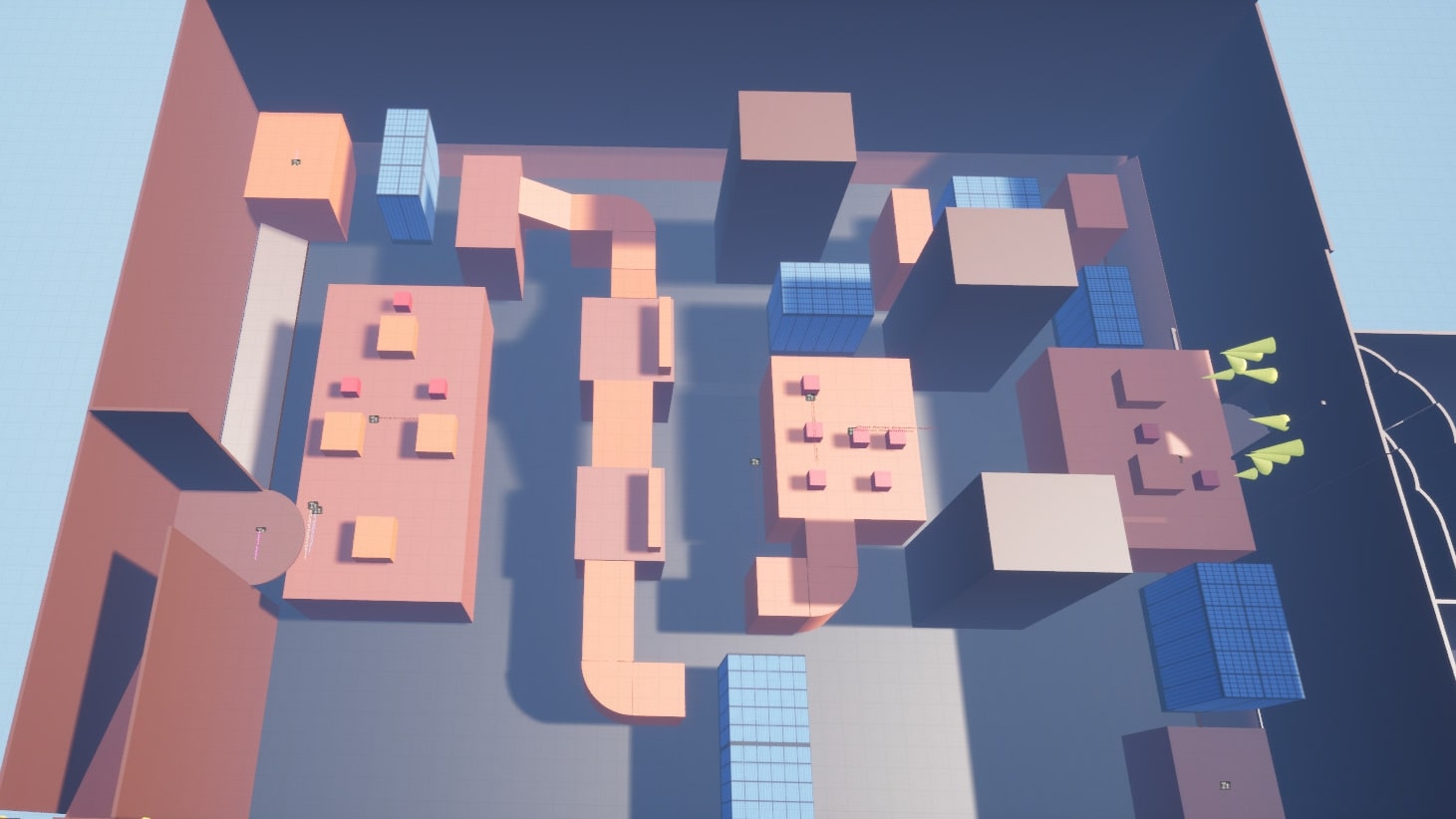
    Results: Added lighting and other primitives to further improve the level’s identity as a crystal mine. I also noticed some balancing issues during playtests so I improved game balancing by lowering enemy AI damage output & health, and by improving cover layouts for combat encounters  

    Goal: Further added to the levels identity with lighting and other additions, fixed combat encounter difficulty issues, continued refining platforming

    Implementation/execution:

    • Improved affordances for guiding the player by adding in lighting to crystals that attracts the players attention
    • I added world building by adding corpses next data logs that give backstory to what happen in the mine before the player arrived and foreshadow the level’s boss fight
    • From player feedback, I added even more gameplay variety by adding another puzzle at the end of the level inspired by Metroid Prime

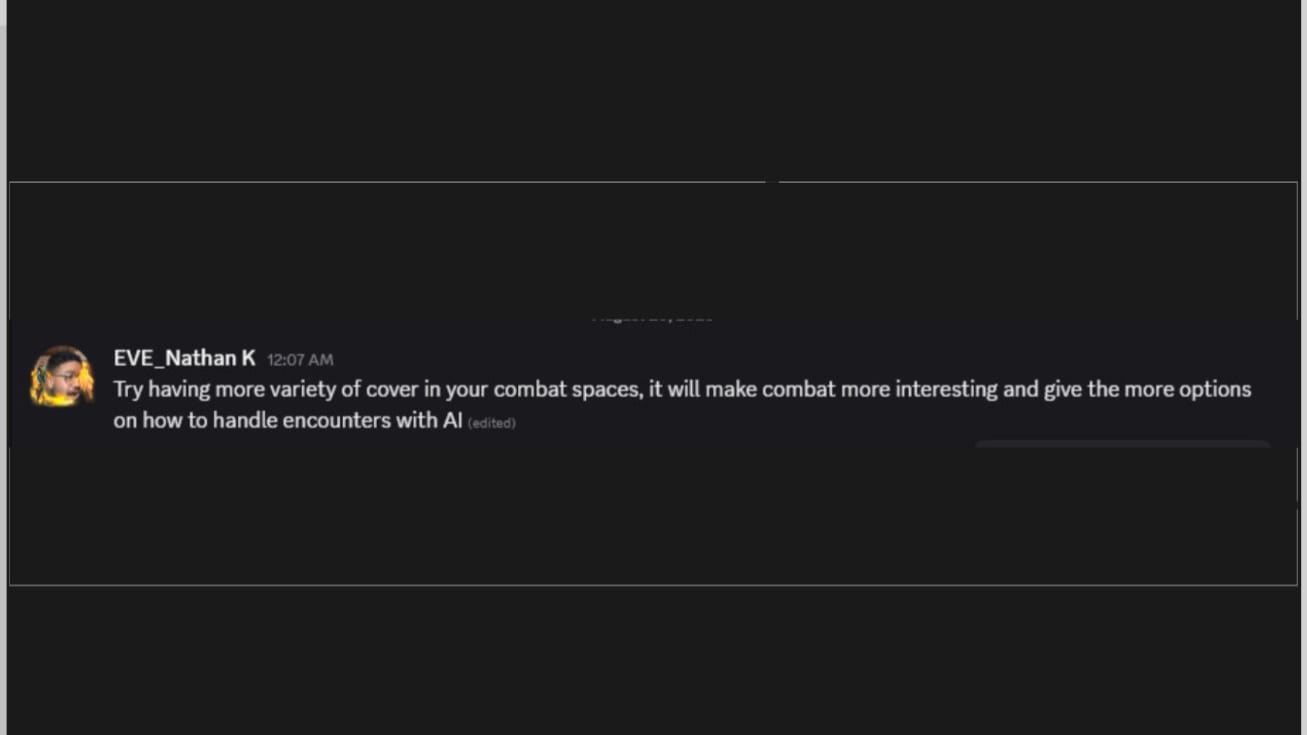
    12. Playtest & Iteration 5 - Adding cover variety & an additional puzzle